

I’ll search for research on multitasking and brain function to create an educational blog post for NeuroBalance.
Now let me search for LENS neurofeedback research specifically.
Based on my research, I’ll create an educational blog post about multitasking and the brain, incorporating LENS neurofeedback information. Here’s the HTML content:
Why Multitasking Makes the Brain Worse at Everything
Understanding the Hidden Costs of Task Switching and How to Restore Brain Balance
Recent research reveals that multitasking reduces productivity by up to 40% while increasing stress levels
– yet most of us continue believing we can effectively juggle multiple tasks simultaneously. The truth is more concerning:
what we perceive as multitasking is actually rapid task switching that fragments our attention and diminishes cognitive performance
.
For individuals already struggling with attention challenges like ADHD, anxiety, or the aftermath of brain injury, the demands of our multitasking culture can feel overwhelming. At NeuroBalance in Los Angeles, we help clients understand why their brains resist multitasking – and how LENS neurofeedback therapy can restore natural focus and attention abilities.
This comprehensive guide explores the scientific evidence behind multitasking’s negative effects on brain function, examines why some people struggle more than others, and reveals evidence-based approaches to reclaiming your cognitive clarity.
⚕️ Important Medical Disclaimer:
The information provided is for educational purposes only and is not intended as medical advice, diagnosis, or treatment. LENS neurofeedback is a wellness modality NOT intended to diagnose, treat, cure, or prevent any disease. Always consult a qualified healthcare professional before beginning any wellness program. Individual results vary. NeuroBalance does not provide medical services.
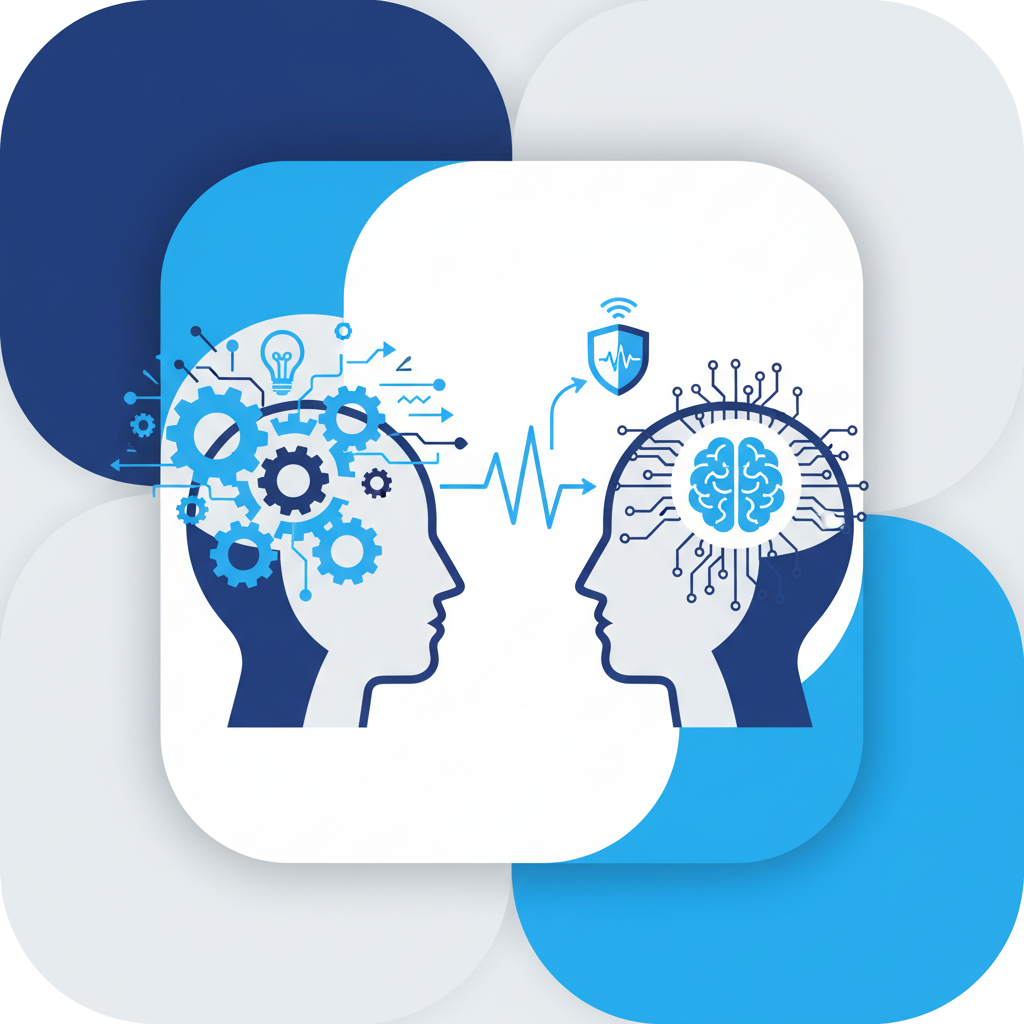
The Multitasking Myth: What Actually Happens in Your Brain
Neuroscience research definitively shows that true multitasking is impossible for the human brain – what we experience is rapid task switching, where our attention shifts very quickly between activities
. This fundamental misunderstanding about our cognitive capabilities lies at the heart of modern productivity struggles.
🧠 Key Research Finding:
Brain imaging studies reveal that when attempting to multitask, each brain hemisphere takes control of separate tasks, creating a divided attention state that compromises overall performance
.
The Serial Processing Reality
When it comes to focusing on tasks, we’re serial processors, not parallel processors
. This means our brains can only truly focus on one demanding cognitive task at a time.
While we can perform practiced motor skills (like eating) alongside other activities because they don’t heavily overlap with complex cognitive processes
, attempting to juggle multiple attention-demanding tasks creates cognitive chaos.
For individuals with ADHD or anxiety, this reality becomes even more challenging. Their brains may already struggle with attention regulation, making the demands of constant task switching particularly exhausting and counterproductive.
The Hidden “Switch Cost” of Task Juggling
Scientists have identified a phenomenon called “switch cost” – the time and mental energy the brain needs to disengage from one task and switch to another
. This isn’t just a minor delay; it represents a fundamental challenge to how our cognitive systems operate.
Attention Residue and Mental Fatigue
Research shows that chronic multitaskers demonstrate inferior working memory performance and increased difficulty filtering out irrelevant information, leading to significant mental fatigue and stress
. Each switch leaves “attention residue” – part of your focus remains stuck on the previous task, reducing your cognitive capacity for the current one.
💡 Understanding Switch Costs:
Brain imaging reveals that the frontal and parietal lobes must constantly activate when switching tasks, indicating these regions work overtime to anticipate and manage attention shifts
. This constant activation depletes cognitive resources and contributes to mental exhaustion.
The implications extend beyond simple fatigue.
Studies find that frequent multitaskers show significantly higher levels of anxiety and depression compared to those who engage in less task switching
. This suggests that the chronic cognitive strain associated with multitasking can have substantial mental health consequences.
Memory Formation Disruption
When constantly switching tasks, you’re not deeply encoding information – for example, studying while checking social media prevents the formation of strong, durable memories because attention is fragmented
. This has profound implications for learning and professional development.
How Cognitive Overload Damages Performance
As human cognitive resources are limited, multitasking under high mental workload drains these resources, leaving less available for concurrent tasks and potentially causing performance failures
. This depletion doesn’t just affect immediate performance – it can have lasting impacts on brain function.
The Digital Age Amplification
Digital multitasking involves simultaneously managing numerous digital tasks, such as texting while viewing a video or rapidly switching between smartphone apps
.
Social media exemplifies this challenge, presenting multiple parallel plots and issues that can lead users down rabbit holes of news consumption and gaming, significantly increasing cognitive load from the brain’s perspective
.
⚠️ Research Alert:
Studies identify “brain fog” – attention deficits, mental cloudiness, and forgetfulness linked to cognitive fatigue – as directly connected to multitasking, fear of missing out, and constant online engagement
.
Long-term Cognitive Consequences
Prolonged multitasking can result in brain hyperactivity, characterized by increased neuronal activity and arousal levels, which impedes the brain’s ability to process information efficiently and contributes to feelings of tension and anxiety
.
Research indicates that multitasking may cause learning to shift from the hippocampus (crucial for flexible learning) to the striatum (associated with habit learning), and is linked to loss of prospective memory – the ability to remember future actions, leading to missed appointments and general disorganization
.
LENS Neurofeedback: Restoring Focus and Attention
Understanding multitasking’s negative effects on the brain raises an important question: how can we restore our natural ability to focus and maintain sustained attention? LENS (Low Energy Neurofeedback System) offers a scientifically-supported approach to helping the brain rebalance itself.
How LENS Addresses Attention Challenges
A study published in the Journal of Neurotherapy found that participants who underwent LENS neurofeedback experienced significant improvements in attention and executive functioning
.
Multiple clinical studies demonstrate LENS therapy’s effectiveness for conditions like ADHD and anxiety, with success rates ranging from 65-85% across different conditions
.
🎯 LENS Success Rates:
Based on clinical research and practitioner reports: ADHD shows 70-85% improvement in attention and hyperactivity, while anxiety disorders demonstrate 65-80% reduction in symptoms
.
LENS works by delivering a tiny electromagnetic signal (1/300th of that emitted by a cell phone) that causes slight brainwave fluctuations, allowing the brain to reorganize and better regulate itself – often resulting in better focus, increased energy, and improved mood within just a few sessions
.
The NeuroBalance Approach in Los Angeles
At NeuroBalance, Jon S. Haupers specializes in helping Los Angeles area clients overcome attention challenges using LENS neurofeedback therapy.
The average number of sessions to achieve optimal brain functioning is generally between 15-20, though many clients experience rapid relief even after just a few sessions
.
Unlike traditional approaches that require active participation, LENS neurofeedback is completely passive. Clients simply relax while the system provides gentle feedback that helps the brain reorganize itself naturally.
📍 NeuroBalance Los Angeles
Located in Mar Vista, serving clients throughout Southern California. Home visits also available.
4029 Alla Road, Los Angeles, CA 90066 • 424.625.5445
The Vulnerable Adolescent Brain and Multitasking
While multitasking poses challenges for all ages, the adolescent brain faces particular vulnerabilities that make the effects of task switching even more pronounced.
Because their brains are still developing, adolescents may be more susceptible to effects of multitasking through a vulnerability to distraction, particularly in regions related to attention and executive function
.
The Dual Systems Model of Adolescent Development
Understanding why teenagers seem drawn to multitasking requires examining how the adolescent brain develops.
The parallel development of different brain areas posits adolescence as a particular period in which there is an imbalance in brain development. The affective-motivational system matures in early adolescent years with respect to the control system, which reaches maturity in young adulthood
.
💡 Understanding Brain Development:
The adolescent brain undergoes dramatic changes, with reward-seeking systems maturing faster than self-control regions. This creates a window of vulnerability where the appeal of digital stimulation can override developing impulse control mechanisms.
The temporal gap between the maturation of the two systems creates a period of greater vulnerability and propensity to risk-taking as well as reward- and novelty-seeking behaviors during middle adolescence
. For many teens, the constant stream of notifications, likes, and messages provides exactly the kind of immediate reward their developing brains crave.
Digital Media Multitasking in Adolescents
Research reveals alarming patterns of digital multitasking among teenagers.
21% of teens almost always use forms of social media when doing homework, and 29% of teens use social media most of the time while doing homework
. Many believe this helps them focus, but evidence suggests the opposite.
📊 Research Findings:
Research has indicated that multitasking may cause learning to be re-allocated to the hippocampus, which is crucial in flexible and declarative learning, to the striatum which is associated with the learning of habits and skills
. This shift fundamentally changes how teenagers process and retain information.
The implications extend beyond academic performance.
This is what renders adolescents peculiar victims of the outcomes of digital media multitasking. Such important developmental activities as synaptic pruning and myelination are ongoing which makes the brain highly plastic and receptive to environmental contributions
.
Long-Term Developmental Consequences
Perhaps most concerning,
overloading multitasking at this crucial period of development may somehow have lasting effects on the development of the prefrontal cortex, disabling some permanent ability to focus on attention and subsequent thinking in the adulthood
.
Studies examining brain structure show tangible changes.
There is emerging evidence surrounding potential adverse neurological effects, including several studies focused on the loss of gray matter and changes in neuron signaling
. For adolescents seeking support for attention challenges, ADHD-focused LENS neurofeedback therapy may help restore healthier attention patterns.
⚕️ Important Note:
Research on adolescent brain development and multitasking is ongoing. Individual responses vary, and early intervention may help support healthier neural development. Consult healthcare professionals for personalized guidance.
Breaking the Addiction to Task Switching
Understanding multitasking as an addictive behavior pattern helps explain why it feels so difficult to stop.
The biological basis of addiction helps to explain why people need much more than good intentions or willpower to break their addictions
. The same principles apply to breaking free from compulsive task switching.
The Neuroscience of Switching Addiction
Like substance addictions, task switching becomes compulsive through changes in brain reward systems.
One of the major neural networks that play a crucial role in behavioral addiction is the salience network, which mediates the “switching” between neural networks to guide appropriate responses. Alterations in the salience network have been implicated in directing aberrant salience to stimuli associated with addiction, resulting in craving and impaired control over addictive behaviors
.
This explains why the ping of a notification can feel irresistible, even when we’re trying to focus. Our brains have learned to assign exaggerated importance to these interruptions. For individuals struggling with attention challenges exacerbated by digital overwhelm, neurofeedback brain training offers a path toward restored cognitive control.
Learned Behavior Patterns
Alternative theories propose that rather than a pathological state, addiction is a natural learned response to rewarding environmental stimuli that can be overcome by behavioral and cognitive modifications
. This perspective offers hope: if task switching is a learned behavior, it can be unlearned.
💡 Key Insight:
Task switching addiction follows predictable patterns. First comes the trigger (notification, boredom, stress), then the behavior (switching tasks), followed by a brief reward (novelty, social connection). Over time, this loop becomes automatic and increasingly difficult to resist.
The Role of Stress and Emotional Regulation
Multitasking often serves as an escape from uncomfortable emotions or challenging tasks.
A conflict should be elicited in situations in which Pavlovian and instrumental cues are incongruent and this conflict should trigger the allocation of top-down control. Indeed, instrumental behavior is more error-prone when instrumental and Pavlovian cues are incongruent
.
For many people, multitasking becomes a way to avoid the discomfort of sustained focus or emotional processing. Those dealing with underlying anxiety may find LENS neurofeedback therapy for anxiety helpful in addressing root causes that drive compulsive task switching.
Neuroplasticity and Recovery
The good news is that brains remain capable of change throughout life.
The brain actually changes with addiction, and it takes a good deal of work to get it back to its normal state. Researchers have found that much of addiction’s power lies in its ability to hijack and even destroy key brain regions that are meant to help us survive
.
💬 What Clients Share:
“After LENS sessions, I noticed I could resist checking my phone while working. It wasn’t willpower—my brain just stopped demanding that constant stimulation.” – Los Angeles client (individual results vary)
Recovery involves retraining neural pathways to find satisfaction in sustained attention rather than constant stimulation. Cognitive rehabilitation approaches can support this process by strengthening attention networks while weakening compulsive switching patterns.
Evidence-Based Strategies for Single-Tasking
Transitioning from multitasking to effective single-tasking requires more than willpower—it demands strategic approaches backed by neuroscience research. The following evidence-based methods can help retrain your brain for sustained attention and deeper focus.
The Attention Restoration Technique
One of the most effective approaches involves gradually increasing periods of undivided attention. Start with just 15-minute blocks of single-task focus, then slowly extend these periods.
Increased understanding of brain-based mechanisms of change has potential to revolutionize approaches to behavioral treatment through application of neuroscience principles of learning and motivation
.
| Week | Focus Duration | Key Strategy | Neural Goal |
|---|---|---|---|
| 1-2 | 15 minutes | Remove all distractions | Reduce switching impulses |
| 3-4 | 25 minutes | Practice attention redirection | Strengthen focus networks |
| 5-6 | 45 minutes | Deep work periods | Consolidate attention stamina |
| 7-8 | 90 minutes | Sustained concentration | Achieve flow states |
Environmental Design for Focus
Research on behavioral addiction shows that environmental cues powerfully influence behavior.
Unlike poor treatment outcomes, subjects with good outcomes could use alcohol cues as warning signs and resist drug-approach tendencies. For example, they may not enter the bar or avoid going to the supermarket where they used to buy their alcoholic beverages. Patients may learn to use environmental cues as warning-signs and thus train to avoid rather than approach situations
.
Apply these principles to task switching by creating environmental triggers for focus rather than distraction:
- Designate specific devices or locations for single-tasking work
- Use physical cues like putting your phone in another room
- Create ritual behaviors that signal “focus mode” to your brain
- Remove visual reminders of other tasks from your workspace
The Neurofeedback Advantage
While behavioral strategies are essential, some individuals benefit from direct brain training. LENS neurofeedback therapy can help restore healthier brainwave patterns associated with sustained attention and reduced impulsivity.
📊 Clinical Evidence:
Studies show that individuals with attention challenges often have dysregulated brainwave patterns. LENS technology can help optimize these patterns, making it easier to resist task-switching impulses and maintain focus naturally.
Mindfulness and Attention Training
Mindfulness practices train the same neural networks involved in sustained attention. Regular meditation strengthens the prefrontal cortex while reducing reactivity to distracting stimuli. For those in Los Angeles seeking comprehensive support, performance optimization programs can combine multiple approaches for maximum effectiveness.
Simple mindfulness techniques include:
- Five-minute breathing exercises before focused work sessions
- Body awareness practices to notice tension and restlessness
- Mindful transitions between tasks to prevent automatic switching
- Present-moment awareness training to reduce mental wandering
How LENS Compares to Other Attention Therapies
When it comes to addressing multitasking-damaged attention systems, several therapeutic approaches exist. Understanding how LENS neurofeedback technology compares to other treatments can help you make informed decisions about your cognitive wellness journey.
Traditional Neurofeedback vs. LENS
While traditional neurofeedback requires active participation and conscious learning, LENS works differently. The Low Energy Neurofeedback System uses extremely weak electromagnetic signals to help the brain reorganize itself naturally. This passive approach often produces results more quickly and with less effort from the client.
| Approach | Method | Session Length | Results Timeline |
|---|---|---|---|
| LENS | Passive brain stimulation | 15-20 minutes | Often 1-5 sessions |
| Traditional Neurofeedback | Active learning protocols | 45-60 minutes | Usually 20-40 sessions |
| Cognitive Therapy | Behavioral modification | 50-60 minutes | 8-16 weeks |
| Medication | Pharmaceutical intervention | Daily dosing | 2-6 weeks |
Advantages of the LENS Approach
LENS offers several unique benefits for addressing multitasking-related attention problems:
- No Side Effects: Unlike medications, LENS produces no adverse reactions or dependency issues
- Rapid Results: Many clients notice improvements within the first few sessions
- Addresses Root Causes: Works at the neural level rather than just managing symptoms
- Lasting Changes: Improvements often persist long after treatment completion
💬 Client Experience:
“I tried cognitive behavioral therapy for my attention problems, but LENS was different. After just three sessions, my mind felt quieter. I could focus on one thing without my brain jumping around constantly.” – Santa Monica client (individual results vary)
Complementary Approaches
LENS works well alongside other therapeutic modalities. Many clients combine neurofeedback with photobiomodulation (PBM) therapy for enhanced cognitive support. The combination can address both neural dysregulation and cellular-level brain health.
Who Benefits Most from LENS?
LENS therapy particularly helps individuals who:
- Have tried traditional approaches without lasting success
- Experience anxiety or overstimulation alongside attention issues
- Want drug-free solutions for cognitive enhancement
- Have trauma history affecting concentration
- Struggle with emotional regulation and impulsivity
For those dealing with trauma-related attention difficulties, PTSD-focused neurofeedback approaches can address both trauma symptoms and associated concentration challenges.
⚕️ Important Consideration:
While LENS shows excellent results for many clients, individual responses vary. Some people may benefit from combining neurofeedback with other therapies. A comprehensive assessment helps determine the best approach for each person’s unique situation.
Real Client Success Stories from Los Angeles
At MYNeuroBalance in Los Angeles,
the majority of clients have witnessed incredible breakthroughs with their emotional health
. These real stories from our practice illustrate how addressing the brain’s inefficient switching patterns can lead to profound improvements in attention, clarity, and quality of life.
### Breaking Free from Mental Fog
One of our most common success stories involves clients who feel trapped in chronic mental fog. Sarah, a 32-year-old marketing professional, described feeling like
“I was putting band-aids on my problems”
after years of managing symptoms without addressing root causes. Her multitasking-heavy work environment had left her exhausted and scattered.
Since starting LENS therapy she experienced remarkable changes in only 2 months
. Most significantly,
“I feel less controlled by my ailments and more in control of my life”
. This transformation reflects exactly what happens when we address the brain’s underlying switching costs rather than just managing surface symptoms.
### Regaining Focus After Years of Struggle
Michael, a graduate student, came to us feeling overwhelmed by academic demands. Like many in our multitasking culture, he’d developed patterns of constant attention switching that left him mentally exhausted. His experience mirrors that of many clients who discover that
“The LENS treatment has made a huge difference in my ability to focus! It was like waking up for the first time in ages!”
What’s particularly encouraging about Michael’s story is how quickly he noticed changes.
Most people will see shifts in their nervous system and symptoms within the first 4 sessions
, and Michael was no exception. Within weeks, he reported being able to maintain sustained attention on his research for hours without the previous mental fatigue.
### Professional Validation
Dr. Patricia Hansen, a referring behavioral therapist with 20 years of experience, notes that
“LENS (neurofeedback) has been a game changer for many of my clients”
. Her observation aligns with broader clinical findings that
LENS is remarkably effective, and over 85% of people who have used LENS have benefited significantly from it. Results can be seen quickly, often beginning within the first session, and are long lasting
.
### Addressing Complex Patterns
For clients dealing with trauma-related attention difficulties, the results can be particularly profound. One client shared how
“as a result of clearing the trauma from neurofeedback I was able to run for the first time in many years. I felt as though I finally came out of the freeze response and had energy. This was an incredible experience after only a month!”
This speaks to how chronic multitasking and attention switching can become deeply embedded patterns, especially when combined with stress or trauma.
LENS Neurofeedback helps the brain to develop new neural pathways, to get “unstuck” from repeated patterns with anxiety, depression, PTSD and more
.
### Long-Term Outcomes
What makes these stories particularly encouraging is their durability.
“The changes are enduring. Once enough sessions have been completed (typically 15-20), for most people treatment is done. There is no need to receive LENS on an ongoing basis”
.
Many clients find that the improved attention and reduced mental fatigue they experience through LENS neurofeedback therapy continues to strengthen over time.
“One of the most encouraging aspects of LENS Neurofeedback is that clients often continue to see improvements even after their sessions have ended. This is due to the brain’s ongoing ability to reorganize and optimize its function based on the changes initiated during LENS treatment. Many clients report that their mental clarity, emotional stability, and overall well-being continue to improve in the weeks and months following their last session”
.
These success stories reflect what Jon Haupers has observed throughout his 12+ years of practice: when we address the brain’s fundamental patterns rather than just managing symptoms, profound and lasting change becomes possible. Whether you’re struggling with ADHD and attention challenges or the mental fatigue that comes from chronic multitasking, the brain’s capacity for positive change can be remarkable.
Creating a Focus-Friendly Environment
While LENS neurofeedback therapy can significantly improve your brain’s ability to maintain attention and reduce switching costs, creating an environment that supports sustained focus amplifies these benefits. Here’s how to design spaces and systems that work with your brain’s natural tendencies rather than against them.
### Physical Environment Design
**Minimize Visual Distractions**
Your workspace should support singular focus rather than invite multitasking. Remove or hide items that naturally draw attention away from your primary task. This includes clearing your desk of everything except what you need for your current project, positioning your computer screen to avoid seeing high-traffic areas, and keeping your phone out of immediate sight.
**Optimize Lighting and Sound**
Natural light supports alertness and cognitive function, while harsh fluorescent lighting can increase mental fatigue. If possible, position your workspace near a window or invest in full-spectrum lighting. For sound, identify your optimal auditory environment – some people focus best in complete silence, while others benefit from consistent background noise or instrumental music.
**Create Physical Boundaries**
Designate specific areas for different types of work. This helps your brain shift into appropriate modes without the confusion that comes from trying to do everything in the same space. Even in small spaces, you can create these boundaries through simple changes like rearranging furniture or using room dividers.
### Digital Environment Management
**Single-Tab Browsing**
One of the most powerful changes you can make is limiting yourself to one browser tab at a time. Each open tab represents a potential task switch and creates mental overhead as your brain unconsciously monitors all available options. Use bookmarks or a “read later” app to save interesting content for designated review times.
**Notification Management**
Turn off all non-essential notifications during focus periods. This includes email alerts, social media notifications, news updates, and even calendar reminders for non-urgent events. The goal is to eliminate anything that could trigger an involuntary attention switch.
**App Organization**
Arrange your digital tools to support single-tasking. Remove distracting apps from your phone’s home screen, use website blockers during focus sessions, and consider separate user accounts for work and personal activities to maintain clearer boundaries.
### Time Structure and Boundaries
**Time Blocking**
Rather than trying to manage multiple priorities simultaneously, assign specific time blocks to individual tasks or categories of work. This external structure supports your brain’s natural preference for sustained attention while providing clear transitions between different types of activities.
**The “Transition Ritual”**
Create a brief routine that helps your brain shift cleanly from one task to another. This might involve taking three deep breaths, writing a quick note about where you left off, or doing a brief physical movement. These rituals help prevent the attention residue that occurs with abrupt task switching.
**Protected Focus Time**
Establish periods during your day when you’re unavailable for interruptions. Communicate these boundaries clearly to colleagues, family members, or housemates. Even 60-90 minutes of uninterrupted time can allow for the deep, restorative focus that multitasking environments rarely permit.
### Supporting Your Neurofeedback Progress
If you’re working with cognitive rehabilitation or considering LENS neurofeedback, these environmental changes can significantly enhance your progress. As your brain develops new patterns through neurofeedback, having an environment that reinforces these changes helps consolidate the improvements more quickly.
Many clients at our Los Angeles practice find that combining LENS therapy with intentional environmental design creates a powerful synergy. The neurotherapy helps your brain develop better attention regulation, while the optimized environment reduces the external pressures that previously triggered multitasking behaviors.
### Gradual Implementation
Don’t try to transform your entire environment overnight. Start with one or two changes and allow them to become habit before adding more. You might begin by clearing your workspace and turning off notifications, then gradually add other elements like time blocking and transition rituals.
Remember, the goal isn’t perfection but progress. Even small improvements in your environment can reduce cognitive load and support the single-tasking skills that lead to better focus, less mental fatigue, and greater overall productivity.
For those interested in learning more about how neurofeedback supports peak performance or exploring learning support options, these environmental strategies provide an excellent foundation for maximizing the benefits of neurotherapy.
Frequently Asked Questions
Next Steps: Moving Beyond Multitasking
Understanding why multitasking makes the brain worse at everything is just the beginning. The real transformation happens when we actively work to optimize our brain’s attention systems and create environments that support sustained focus rather than scattered attention.
At NeuroBalance, we’ve seen hundreds of Los Angeles clients break free from the exhausting cycle of constant task-switching and mental fatigue. Whether you’re dealing with chronic overwhelm, difficulty concentrating, or simply want to optimize your cognitive performance, there are evidence-based approaches that can help.
🌱 Your Journey Toward Better Focus:
- Assessment: Understand your unique brain patterns and attention challenges
- Education: Learn about the neurological basis of attention and focus
- Intervention: Explore approaches like LENS neurofeedback therapy
- Integration: Develop sustainable practices that support long-term brain health
If you’re ready to explore how LENS neurofeedback might help optimize your brain’s attention systems, we invite you to schedule a free consultation. Jon Haupers, our certified LENS specialist with over 12 years of experience, can help you understand whether this approach might be beneficial for your specific situation.
During your consultation, we’ll discuss your attention challenges, explain how LENS works to address switching costs and attention residue, and create a personalized plan that aligns with your goals. Many clients find that combining neurofeedback with environmental modifications and lifestyle adjustments creates the most comprehensive approach to cognitive optimization.
Ready to Optimize Your Brain’s Attention Systems?
Break free from the exhausting cycle of multitasking and mental fatigue. Discover how LENS neurofeedback can help your brain develop more efficient patterns of attention and focus.
📞 424.625.5445 | ✉️ [email protected]
📍 4029 Alla Road, Los Angeles, CA 90066
Your Brain Wellness Journey
The research is clear: multitasking creates measurable costs in the form of switching penalties, attention residue, and cognitive overload. But understanding these mechanisms also points toward solutions. When we address the underlying neural patterns that contribute to inefficient task switching, we can help the brain develop more sustainable and effective ways of managing attention.
For many people, this journey involves both educational understanding and practical interventions. Learning about your brain’s attention systems provides the foundation, while approaches like environmental design and neurofeedback offer tools for creating lasting change.
Whether you’re exploring options for anxiety support, looking to understand ADHD and brain function, or interested in peak performance optimization, we’re here to provide educational resources and support.
🌱 Take Your Next Step:
Learn more about getting started with NeuroBalance, explore our client testimonials, or browse our FAQ for more information.
This content is for educational purposes only and is not intended as medical advice. Always consult with qualified healthcare professionals regarding your health concerns.