

Why Emotional Regulation Often Gets Worse When We’re Tired
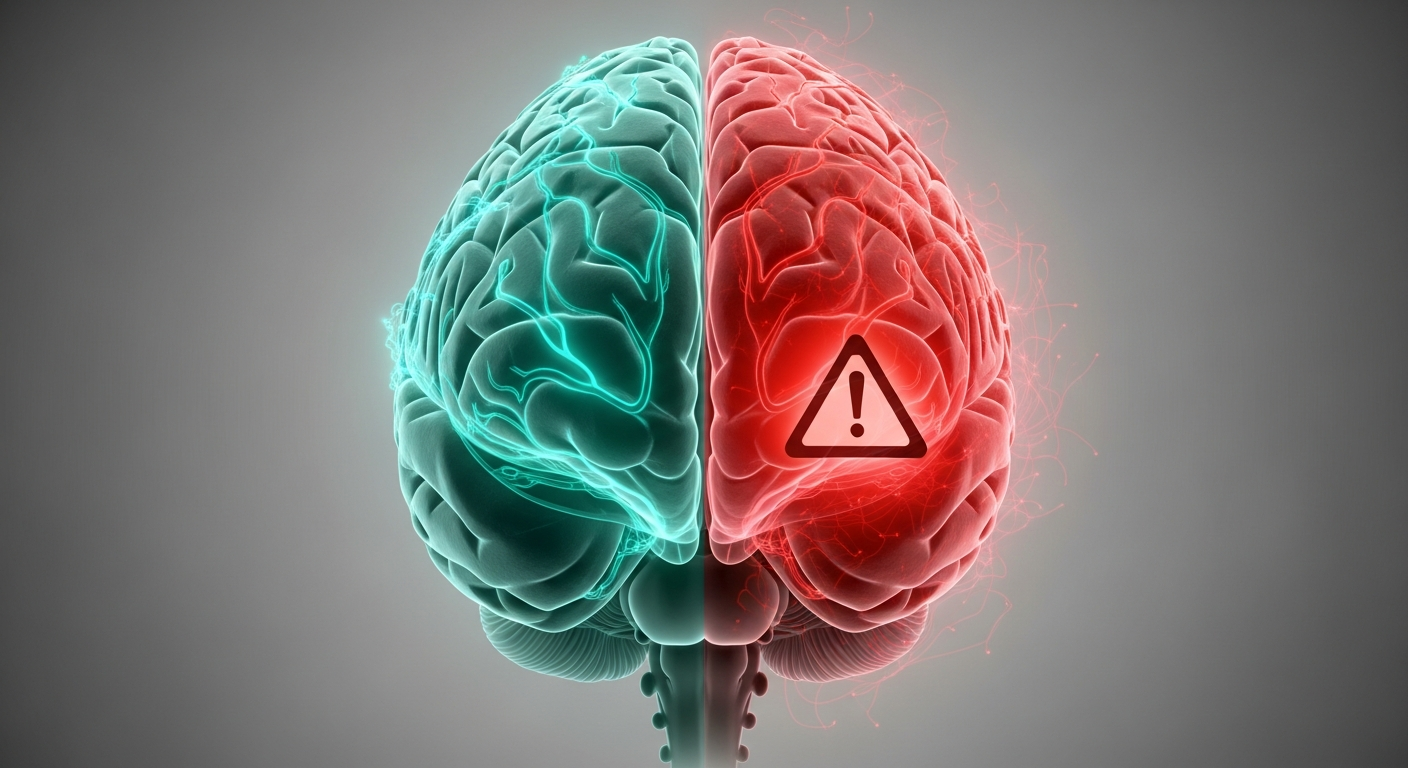
Sleep deprivation disrupts the neural circuits controlling emotional responses. When tired, your prefrontal cortex weakens while your amygdala becomes hyperactive—leaving you more reactive, irritable, and unable to manage stress effectively.
- Sleep deprivation weakens prefrontal-amygdala connectivity, reducing emotional control by up to 60%
- Tired brains have impaired emotional memory consolidation, making it harder to learn and apply coping strategies
- Children with ADHD are particularly vulnerable to emotional dysregulation when sleep-deprived
- Neurofeedback strengthens the neural circuits responsible for emotional regulation, independent of sleep
A 2023 study from UC Berkeley found that sleep deprivation reduces emotional regulation by 60%, with the amygdala—your brain’s emotional alarm system—becoming 30% more reactive to stressful stimuli. If you’ve ever snapped at someone after a poor night of sleep, your neurobiology was working against you. The connection between sleep and emotional control isn’t simply “rest makes you feel better.” It’s a fundamental neurological relationship: when you don’t sleep, the circuits that control your reactions to frustration, anxiety, and stress literally malfunction. This is especially critical for adults managing anxiety, individuals with ADHD, and anyone trying to break patterns of emotional dysregulation.
The Prefrontal-Amygdala Disconnect: What Sleep Loss Actually Does to Your Brain

Your prefrontal cortex is the rational decision-maker—it evaluates threats, considers consequences, and chooses measured responses. Your amygdala is the alarm system—fast, automatic, and primed to react. During healthy sleep, these two regions maintain a balanced conversation. Your prefrontal cortex inhibits the amygdala’s reactive impulses, allowing you to pause and respond thoughtfully rather than react emotionally. When you’re sleep-deprived, this communication breaks down. fMRI studies show that after just one night of poor sleep, connectivity between the prefrontal cortex and amygdala drops dramatically. The amygdala becomes hyperactive—firing at smaller provocations—while the prefrontal cortex loses its ability to pump the brakes. You’re left with a neurological imbalance: all gas, no brakes. This is why you’re quicker to anger, more prone to worry, and less capable of self-soothing when tired.
Sleep Deprivation Breaks Emotional Memory Consolidation
Every time you successfully manage an emotion—taking a breath before responding, talking yourself down from panic, choosing calm over anger—your brain encodes that success. During sleep, particularly REM sleep, your brain replays and consolidates these emotional memories, strengthening the neural pathways for future regulation. Sleep deprivation short-circuits this process. The hippocampus, which processes and stores memories, requires adequate sleep to bind emotional experiences into long-term memory. Without sufficient sleep, you can’t reliably form the neural patterns that support emotional resilience. This means coping strategies you practiced yesterday feel inaccessible today. Therapeutic work—whether talk therapy, cognitive behavioral techniques, or neurofeedback for regulation—requires sleep to integrate into your neural wiring. Someone running on four hours of sleep won’t benefit as fully from these interventions because their brain cannot properly consolidate the new patterns being taught.
Why Tired People Are More Prone to Reactive, Protective Emotions
Sleep deprivation puts your nervous system in a protective state. When you’re tired, your body perceives the world as more threatening. This is an evolutionary hangover: if you’re exhausted, your ancestors would have been at higher risk, so the nervous system activates threat-detection mode. Your threat threshold lowers. Things that would normally feel manageable—a minor mistake at work, a family member’s comment, waiting in traffic—now feel like genuine threats. Your amygdala gets hair-trigger sensitivity to perceived slights and stressors. Cortisol and adrenaline levels remain elevated, keeping your fight-flight-freeze system engaged. This hypervigilance is also why tired people often display what looks like irritability or defensiveness. You’re not being difficult on purpose—your brain chemistry is literally positioning you to perceive threat and react protectively. The irony is painful: exhaustion makes you feel less capable of handling stress, which creates anxiety, which makes sleep worse, which increases emotional reactivity further. This creates a vicious cycle that’s particularly destructive for people managing anxiety driven avoidance patterns.
The ADHD Connection: Sleep Loss Amplifies Emotional Dysregulation in Children and Adults
For individuals with ADHD, emotional regulation is already neurologically challenging. ADHD involves under-activation of the prefrontal cortex and dysregulation of dopamine, which affects both attention and emotional control. Add sleep deprivation to this, and the effects compound dramatically. Research published in the Journal of Attention Disorders (2022) found that children with ADHD who sleep fewer than seven hours per night show a 40% increase in emotional dysregulation compared to the same children getting adequate sleep. They’re quicker to meltdown, slower to recover, and more likely to engage in avoidant or aggressive responses. In adults with ADHD, poor sleep worsens impulsivity and makes emotional overwhelm significantly more probable. This is especially critical because ADHD and emotional regulation difficulties are inextricably linked—sleep deprivation amplifies both. If you’re managing ADHD and notice your emotional regulation completely falls apart on low-sleep nights, this isn’t a character flaw. It’s predictable neurobiology. Protecting sleep becomes a non-negotiable part of managing the condition.
Sleep Deprivation and Emotional Reactivity: The Neurotransmitter Story
Below the level of circuits and connectivity, sleep deprivation disrupts your neurotransmitter balance. Serotonin—the neurotransmitter supporting mood stability and emotional calm—declines with poor sleep. Norepinephrine, which drives arousal and stress response, increases. Dopamine, critical for emotional reward and motivation, becomes dysregulated. GABA, your brain’s primary inhibitory neurotransmitter (the one that helps you calm down), becomes less effective. All of these changes happen within hours of sleep loss. A single night of poor sleep is enough to measurably alter neurotransmitter levels and functional connectivity. This explains why behavioral approaches alone often feel insufficient when you’re exhausted: your neurochemistry is working against emotional regulation at a biochemical level. This is also why relying on willpower or motivation to manage emotions during sleep deprivation is so difficult—you’re trying to override biology through sheer effort, which is exhausting and often unsuccessful.
The Clinical Reality: Sleep Deprivation Interferes with Treatment and Recovery
Clinically, we see this in practice constantly. Patients managing anxiety, depression, PTSD, or behavioral dysregulation often report that their worst emotional days follow their worst sleep nights. When someone comes in struggling with emotional regulation, we address sleep as a foundational intervention—not because sleep is nice to have, but because the brain literally cannot regulate emotions properly without it. Studies on sleep disorders show that individuals with chronic sleep problems have significantly higher rates of emotional dysregulation, anxiety, and mood disorders. The relationship is bidirectional: poor emotion regulation contributes to sleep problems, and sleep problems worsen emotional regulation. This creates a recovery paradox: the person who most needs treatment to regulate their emotions is often the least capable of processing and integrating that treatment if they’re sleep-deprived. Addressing sleep becomes the prerequisite for effective treatment of emotional dysregulation.
How Neurofeedback Addresses This
LENS Neurofeedback directly trains the prefrontal cortex to maintain stronger regulatory control over the amygdala. This works independently of sleep quality, building resilience in the emotional regulation circuit itself. Over time, this reduces the amygdala’s reactivity and strengthens the brain’s ability to choose measured responses even under stress or fatigue.
By optimizing brain regulation and reducing hypervigilance, neurofeedback often improves sleep quality naturally. As sleep quality improves, the brain’s ability to consolidate emotional memories and maintain prefrontal-amygdala connectivity improves, creating a positive upward spiral. Better sleep + trained regulation = measurable improvements in emotional response.
For individuals with ADHD, neurofeedback strengthens the prefrontal systems that are naturally underactive in ADHD brains. This directly addresses the emotional dysregulation that often accompanies ADHD, reducing emotional reactivity and improving the ability to pause before responding, even when tired.
Neurofeedback isn’t about replacing sleep or ignoring sleep needs. It works alongside sleep hygiene and behavioral strategies to build lasting change. The result is multi-level support: better sleep habits + trained neural circuits = sustained improvements in emotional regulation that persist across fatigue and stress.
Frequently Asked Questions
How quickly does emotional regulation improve if I fix my sleep?
Changes begin within 48 hours of better sleep. Most people notice improved emotional resilience within 3-5 days of consistent sleep improvement. However, the deepest neural consolidation—rebuilding the connections and patterns that support regulation—takes 2-4 weeks. Be patient with yourself. Your brain is literally rewiring emotional pathways during sleep.
Is it normal to feel completely out of control emotionally when tired?
Absolutely—it’s not a personal failing, it’s neurobiology. Your prefrontal cortex literally weakens under sleep deprivation while your amygdala becomes hyperactive. This is true for everyone, though people with anxiety, ADHD, or trauma histories may experience it more intensely. The fact that you notice the pattern is actually helpful—it lets you adjust expectations for low-sleep days and prioritize recovery.
Can neurofeedback help if I have chronic sleep problems?
Yes, on two levels. First, neurofeedback often improves sleep quality by reducing hypervigilance and nervous system dysregulation. Second, by training your prefrontal cortex and emotional regulation circuits directly, neurofeedback makes you more emotionally resilient even on nights when sleep isn’t perfect. Many clients report that neurofeedback addresses both the sleep issue and the emotional dysregulation simultaneously.
Why does my child melt down more after poor sleep?
The same neurobiology applies to children, often more intensely. Children’s prefrontal cortexes are still developing, so they have less emotional regulation capacity under normal conditions. Sleep deprivation weakens this system even further. For children with ADHD or anxiety, the effect is compounded. Protecting your child’s sleep isn’t indulgent—it’s essential for emotional stability and learning. If meltdowns increase on low-sleep days, sleep is a medical intervention.
What’s the first step if emotional regulation is my biggest challenge?
Start by logging your sleep for two weeks and tracking emotional reactions. You’ll likely see the correlation between sleep quality and emotional reactivity. Then address sleep basics: consistent bedtime, dark/cool room, no screens 60 minutes before bed. If sleep improves but emotional dysregulation persists, or if sleep improvement stalls, neurofeedback can address the underlying neural dysregulation directly. Getting started with an assessment lets you understand which system needs support first.
Ready to Support Your Brain Health?
If emotional dysregulation, poor sleep, or ADHD-related challenges are affecting your life, neurofeedback can retrain your brain to regulate emotions more effectively. Our initial assessment identifies exactly where your nervous system needs support, so you can move from reactive to resilient.
Schedule Your Free Consultation
Call us: (424) 625-5445 · Los Angeles, CA
Disclaimer: This content is for informational purposes only and does not constitute medical advice, diagnosis, or treatment. LENS Neurofeedback is not FDA-approved for all conditions mentioned. Please consult with a qualified healthcare provider before beginning any new treatment program.