

Anxious or Wired? How the Brain Decides Which State You Live In
Understanding the Neural Circuitry Behind Anxiety, Stress, and Overstimulation
Do you find yourself constantly “on edge,” unsure whether you’re anxious, overstimulated, or just naturally high-energy?
Anxiety is a mental state characterized by intense tension, worry or apprehension relative to future events, with researchers differentiating between state anxiety (transient reaction) and trait anxiety (stable personality attribute)
. Understanding the neural mechanisms behind these different states can help you identify what’s really happening in your brain and find the most effective path to balance.
The distinction between feeling “anxious” versus “wired” isn’t just semantics—it reflects different patterns of brain activity and neural circuit activation. While both states can feel overwhelming, they originate from different neurobiological processes and often require different approaches for resolution. At NeuroBalance, we help clients understand these differences through advanced brain analysis and targeted LENS neurofeedback therapy.
In this comprehensive guide, we’ll explore how your brain determines which state dominates your experience, examine the latest neuroscience research, and discover how LENS neurofeedback can help restore optimal brain balance regardless of whether you’re dealing with anxiety, overstimulation, or both.
⚕️ Important Medical Disclaimer:
The information provided is for educational purposes only and is not intended as medical advice, diagnosis, or treatment. LENS neurofeedback is a wellness modality NOT intended to diagnose, treat, cure, or prevent any disease. Always consult a qualified healthcare professional before beginning any wellness program. Individual results vary. NeuroBalance does not provide medical services.
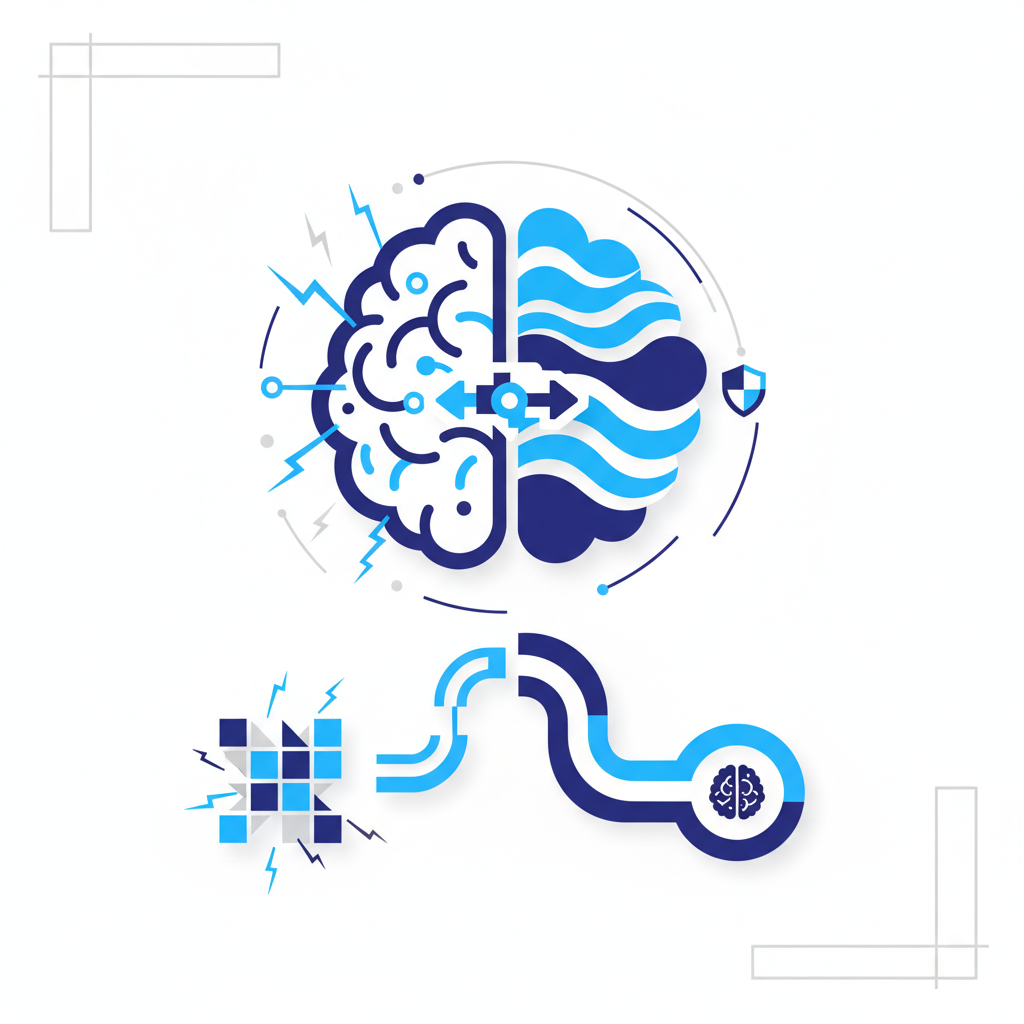
Understanding Anxiety vs. Nervous System Arousal
The experience of feeling “anxious” versus “wired” reflects two distinct but sometimes overlapping neurobiological processes.
Across different anxiety and stress disorders, patterns of hyperactivation in emotion-generating regions and hypoactivation in prefrontal regulatory regions are common
. However, the underlying neural circuits and their activation patterns can vary significantly.
Anxiety as an Emotional State
True anxiety involves specific neural circuits centered around threat detection and emotional processing.
Research has identified a distributed network of brain areas involved in processing anxiety including the hypothalamus, amygdala, cingulate cortex, prefrontal cortex, brainstem nuclei, medial prefrontal cortex, locus coeruleus, and reward processing areas, with the amygdala serving as the central structure controlling anxiety reactions
.
When you’re experiencing anxiety, your brain is essentially preparing for potential threats—even when none exist. This involves activation of the anxiety response system that can manifest as worry, rumination, physical tension, and anticipatory fear.
Nervous System Arousal and the “Wired” State
In contrast, feeling “wired” typically reflects sympathetic nervous system hyperactivation—your brain and body are running at high speed, but not necessarily in response to perceived threats. This can result from:
- Overstimulation from environmental factors
- Neurotransmitter imbalances (particularly dopamine and norepinephrine)
- Sleep disruption affecting brain wave regulation
- Excessive mental or physical demands
- Underlying attention regulation difficulties like ADHD
Jon S. Haupers, our LENS neurofeedback specialist with over 12 years of experience, notes: “Many clients come to us describing feeling ‘always on’ or ‘unable to turn off their brain.’ This often reflects dysregulation in brain wave patterns rather than clinical anxiety, though the two frequently overlap and reinforce each other.”
Brain Circuits Behind These States
Functional neuroimaging studies over the past two decades have shown that a core set of brain regions mediate responses to emotional stimuli, with relevance to fear/anxiety circuitry through studies that both depict fear and shed light on general emotion-generating neurocircuitry
.
The Anxiety Circuit Network
The brain’s anxiety processing involves several interconnected regions:
🧠 Key Brain Regions in Anxiety Processing:
- Amygdala: Threat detection and fear response initiation
- Prefrontal Cortex: Emotion regulation and cognitive control
- Anterior Cingulate Cortex: Attention and emotional processing
- Insula: Interoceptive awareness and vigilance
- Hippocampus: Memory formation and context processing
- Bed Nucleus of Stria Terminalis: Sustained anxiety responses
Research consistently finds decreased connectivity between emotion-generating areas (amygdala, insula) and cortical regulatory regions (medial prefrontal cortex, rostral anterior cingulate cortex) across anxiety disorders, with connectivity inversely related to symptom severity and increasing after anxiety treatment
.
Arousal and Attention Networks
The “wired” feeling often involves dysregulation in different neural networks, particularly those governing attention, arousal, and executive function. These include the Default Mode Network (DMN), Central Executive Network, and Salience Network. When these networks are hyperactive or poorly coordinated, you may experience:
- Racing thoughts and mental hyperactivity
- Difficulty filtering irrelevant stimuli
- Restlessness and physical fidgeting
- Problems with sustained attention despite high alertness
Understanding these network differences is crucial for effective neurofeedback brain training approaches that target the specific circuits involved in your experience.
The Difference Between Trait and State Anxiety
Research distinguishes between “state anxiety” defined as a temporary reaction to adverse events, and “trait anxiety,” a more stable personality feature representing constant individual differences in tendency to respond with concerns and worries, with trait anxiety belonging to personality characteristics potentially associated with psychopathological conditions, while state anxiety represents more transient emotional states with temporary increased sympathetic nervous system activity
.
Trait Anxiety: Your Brain’s Default Setting
Neuroimaging reveals that trait anxiety shows structural grey matter covariance in the Default Mode Network, with positive relationships in fronto-temporal regions (medial frontal cortex, temporal cortex) and negative relationships in parietal regions (precuneus, inferior parietal lobule), with these fronto-temporal nodes involved in social cognition and emotion processing and prefrontal cortex changes potentially mediating aberrant amygdala circuitry functioning
.
If you have high trait anxiety, your brain may be structurally and functionally predisposed toward:
- Enhanced threat detection sensitivity
- Persistent worry and rumination patterns
- Heightened stress reactivity
- Difficulty with emotion regulation
This doesn’t mean you’re “stuck” with anxiety—neuroplasticity and cognitive rehabilitation approaches can help modify these patterns over time.
State Anxiety: Temporary Activation
Unlike trait anxiety, state anxiety is not structurally related to grey matter structures, reflecting its nature as a transient emotional response rather than a stable characteristic
. State anxiety represents your brain’s acute response to specific triggers or situations.
State anxiety activates temporarily in response to:
- Stressful life events or transitions
- Performance pressures or evaluations
- Novel or uncertain situations
- Physical health concerns
Understanding whether you’re experiencing trait vs. state anxiety helps determine the most effective therapeutic approach. Our comprehensive assessment process at NeuroBalance includes evaluating these different aspects of your experience.
When “Wired” Becomes “Anxious”
The commonalities between stress and anxiety states are critical for understanding each state and their mutual interactions, with grasping mechanisms underlying this bidirectional relationship having major clinical implications for managing a wide range of psychopathologies
.
The Cascade Effect
Chronic arousal and the “wired” state can gradually shift into anxiety through several mechanisms:
🔄 How Overstimulation Becomes Anxiety:
- Sleep Disruption: Hyperarousal interferes with restorative sleep, depleting emotional regulation resources
- Cognitive Overload: Constant high alertness exhausts prefrontal control systems
- Stress Sensitization: Prolonged activation lowers thresholds for threat perception
- Neurotransmitter Depletion: Chronic demand on dopamine and norepinephrine systems
Research shows that norepinephrine inputs from the locus coeruleus to the basolateral amygdala are responsible for acute-stress induced anxiety
, demonstrating how arousal systems directly influence anxiety circuits.
Neural Cross-Talk
Brain imaging studies show that when waiting for threat (whether predictable or not), both the bed nucleus of the stria terminalis (BNST) and amygdala are recruited in an overlapping network, with these structures showing statistically indistinguishable responses, suggesting that states of fear and anxiety are assembled from common core neural building blocks
.
This research explains why people often experience both “wired” and “anxious” simultaneously—the brain circuits overlap significantly, and activation in one system can easily recruit the other. This is particularly relevant for individuals with:
- ADHD and comorbid anxiety
- High-stress occupations or lifestyles
- Chronic overstimulation from technology
- Brain injuries affecting regulation systems
📍 NeuroBalance Los Angeles
Located in Mar Vista, serving clients throughout Southern California. Home visits also available.
4029 Alla Road, Los Angeles, CA 90066 • 424.625.5445
Brain Wave Patterns and Mental States
Understanding the difference between feeling “wired” and feeling anxious begins with examining how your brain’s electrical activity patterns shift based on your mental state.
Brain waves are the neuroelectric waveforms of various frequencies ranging from 0.01 Hz to 600 Hz, classified into Infra-slow waves (0.01–0.1 Hz), Delta waves (0.1–4 Hz), Theta waves (4–7 Hz), Alpha waves (8–13 Hz), Beta waves (13–30 Hz), and Gamma waves (30–150 Hz)
.
The “Wired” Brain: High Beta Activity
When you feel “wired,” your brain is typically dominated by high beta wave activity.
Hi-Beta (Beta3, 22-38Hz) is highly complex thought, integrating new experiences, high anxiety, or excitement
. This state often follows stimulants like caffeine, intense work sessions, or high-stress situations where you feel alert but can’t settle down.
Research shows that
the higher frequencies are dominant when we feel wired, or hyper-alert
. In this state, your prefrontal cortex may be hyperactive, processing multiple streams of information simultaneously. While this can enhance performance temporarily, it’s not sustainable and often leads to mental fatigue.
💡 Understanding Brain Health:
The “wired” feeling occurs when your brain gets stuck in a high-performance mode. Think of it like a computer processor running at maximum capacity—effective short-term, but it generates heat and drains resources quickly. LENS neurofeedback therapy can help your brain learn to modulate between high and low activity states naturally.
The Anxious Brain: Dysregulated Networks
Anxiety manifests differently in brain wave patterns than feeling wired.
Research shows that anxiety is often associated with specific patterns in brainwave activity. One common finding is excessively high-beta activity, particularly in the frontal regions of the brain
. However, anxiety also involves complex interactions between multiple brain regions.
When you’re anxious in certain situations, your brain shifts into a state of hyperactive brainwaves (also known as “beta” waves or “fast” waves), and when you’re persistently or chronically anxious, your brain locks itself into that state long-term
. This creates a different pattern from temporary “wired” states—it becomes a default neural setting.
| Brain State | Wave Pattern | Characteristics | Duration |
|---|---|---|---|
| “Wired” | High Beta (22-38Hz) | Hyperalert, overstimulated, racing thoughts | Temporary, situation-dependent |
| Anxious | Mixed Beta + dysregulated networks | Worried, fearful, hypervigilant | Persistent, becomes default state |
| Balanced | Alpha (8-12Hz) dominant | Calm, alert, present-focused | Sustainable, flexible |
Alpha Waves: The Balanced State
The optimal brain state involves healthy alpha wave activity.
Alpha brainwaves (8 to 12Hz) are dominant during quietly flowing thoughts, and in some meditative states. Alpha is ‘the power of now’, being here, in the present. Alpha is the resting state for the brain
.
Research indicates that
when you’re calm or regulated, your brainwaves are functioning at a lower frequency (also called “alpha” waves). When it comes to alleviating and treating anxiety, stress, and more, the short-term goal is to get your brain waves back to a quieted state, and the long-term goal is to keep your brain in that state
.
📊 What Research Suggests:
The level of wakefulness and consciousness can be shown through the frequency of brain’s electrical activity; therefore, high levels of consciousness are recorded as rapid waves, especially the beta rhythm, while slow waves (theta and delta) can be recorded during sleep and low brain activity
. The key is flexible modulation between states as needed.
How LENS Neurofeedback Addresses Both States
Unlike traditional approaches that might target symptoms individually, LENS neurofeedback addresses the underlying brain wave dysregulation that creates both “wired” and anxious states. This unique approach recognizes that both conditions stem from the brain’s inability to flexibly shift between different activity levels.
The LENS Difference: Passive Brain Training
The Low Energy Neurofeedback System (LENS) is an EEG based, direct neurofeedback system that stimulates the brain to reset itself and achieve optimal performance. Neuroscientists believe that the brain’s defenses against stressors and trauma can create a “neural gridlock.” LENS works around these blockages. Addressing the brain in its own electromagnetic language, LENS allows the brain to “reboot,” restoring optimal functioning
.
What makes LENS particularly effective for both wired and anxious states is its passive approach.
LENS (Low Energy Neurofeedback System) Neurofeedback is a form of biofeedback that uses extremely low-strength electromagnetic signals to stimulate and reorganize brainwave patterns. Unlike traditional neurofeedback, which requires active participation and conscious effort from the patient, LENS is passive, allowing the brain to reset itself without the need for active involvement
.
💬 What Clients Share:
“I used to swing between feeling completely overwhelmed and hyper-wired. After LENS sessions, I noticed my brain could actually ‘downshift’ when I needed to relax. It’s like having a functional gear shifter again.” – Individual results vary
Targeting Neural Flexibility
The brain’s ability to shift between different states is called neural flexibility. Both “wired” and anxious states represent reduced flexibility—the brain gets stuck in particular patterns. Neurofeedback brain training with LENS works by gently encouraging the brain to develop more flexible responses to stimuli.
Neuroplasticity—the brain’s ability to reorganize itself by forming new neural connections—is a key factor in the long-term benefits of LENS Neurofeedback. By facilitating neuroplasticity, LENS helps the brain to “relearn” healthier patterns of activity, leading to long-lasting improvements in brain function
.
Addressing Multiple Brain Networks
Both wired and anxious states involve dysfunction across multiple brain networks. Recent neuroscience research reveals
neurons in these structures often have entangled representations, whereby single neurons encode multiple cognitive and emotional variables. Functional interactions between the amygdala and prefrontal cortex mediate emotional influences on cognitive processes such as decision-making, as well as the cognitive regulation of emotion
.
LENS therapy works by addressing the whole-brain network rather than isolated symptoms. This approach recognizes that anxiety and hyperarousal states involve complex interactions between the amygdala (emotion processing), prefrontal cortex (executive function), and other brain regions. By supporting overall brain balance, LENS can help both conditions simultaneously.
💡 Understanding Brain Health:
Think of your brain like a complex orchestra. When you’re “wired,” the brass section is playing too loud. When anxious, multiple sections are out of sync. LENS acts like a conductor’s tuning fork, helping all sections find their natural rhythm and harmony. Learn more about anxiety treatment with LENS.
What Research Reveals
Scientific research provides compelling evidence for LENS effectiveness in addressing both hyperarousal (“wired”) and anxiety states. Multiple studies demonstrate the therapy’s ability to help the brain develop more balanced, flexible patterns of activity.
Clinical Outcomes Research
A landmark clinical outcomes study published in the Journal of Neurotherapy examined 100 patients receiving LENS treatment.
Average symptom ratings across 15 major problem areas (e.g., anxiety, mood disturbance, attentional problems, fatigue, pain, sleep problems, etc.) showed significant improvements (p < .0001) from beginning to end of treatment. After an average of only 20 treatments the mean average of patient symptom ratings (0-10) declined from 7.92 to 3.96, a 50% improvement
.
Particularly relevant to both wired and anxious states, the study found that
LENS treatment appears to be very efficient and effective in rapidly reducing a wide range of symptoms. It particularly produces rapid improvements in the first five to six sessions
.
📊 What Research Suggests:
Clinical studies support the effectiveness of LENS, as well as the results of over 75,000 people who have already been treated. Doctors and researchers recommend LENS for adults, teens and children suffering from various neurological and mental health conditions
. The research consistently shows improvements across multiple symptoms simultaneously.
Brain Wave Analysis Findings
Research examining brain wave patterns before and after LENS treatment reveals significant changes in neural activity.
Equally significant was the drop in EEG amplitude at the highest amplitude electrode site (HAS; p < .0001) as well as a lesser but still significant decrease at Cz (p < .002). A final analysis of the average symptom score with the HAS score showed them to be highly correlated
.
This correlation between brain wave normalization and symptom improvement provides objective evidence that LENS creates meaningful neurological changes. The reduction in excessive brain wave amplitude particularly addresses the hyperactivity seen in both wired and anxious states.
Safety and Tolerability Studies
A systematic review of neurofeedback safety published in oncology research found excellent tolerability.
All 17 included studies reported positive results for at least one fatigue or cognitive outcome in a variety of populations, including 1 study with breast cancer survivors. Neurofeedback interventions were well tolerated with only 3 studies reporting any side effects. Despite issues with methodological quality, the overall positive findings and few reported side effects suggest neurofeedback could be helpful in alleviating fatigue and cognitive impairment
.
Regarding LENS specifically,
of the 3 studies included in this review that reported side effects or adverse effects, 2 involved LENS therapy. The LENS neurofeedback interventions, which are nonvolitional, resulted in transient exacerbation of symptoms such as fatigue and pain
. These temporary effects typically resolved within 24-48 hours and often indicated the brain was responding to treatment.
⚕️ Important Note:
Individual results vary with any neurofeedback approach. LENS is not intended to diagnose, treat, cure, or prevent any disease. The research suggests potential benefits, but outcomes depend on many factors including individual brain patterns and overall health. Always consult with your healthcare provider before beginning any new therapy.
Long-term Benefits Research
Perhaps most importantly for those dealing with chronic wired or anxious states, research demonstrates lasting benefits from LENS treatment.
The long-term benefits of this therapy are well-documented, with research and clinical evidence supporting its effectiveness in promoting sustained improvements in various aspects of mental health. Clients often report a noticeable reduction in mental fog, with effects lasting for months or even years after completing their sessions
.
The durability of results appears related to neuroplasticity changes.
A study in the Journal of Clinical EEG and Neuroscience demonstrated that LENS Neurofeedback could enhance neuroplasticity, particularly in areas of the brain associated with executive functioning and emotional regulation
.
The NeuroBalance Approach
At MYNeuroBalance, we understand that feeling “wired” versus anxious requires nuanced assessment and personalized treatment approaches. Our Los Angeles practice, led by Jon S. Haupers, a certified LENS neurofeedback specialist with over 12 years of experience, takes a comprehensive approach to brain wave regulation.
Comprehensive Brain Mapping
Our assessment process begins with detailed brain wave analysis to distinguish between different types of neural dysregulation. We examine patterns across multiple brain regions to understand whether you’re experiencing:
- Temporary hyperarousal from stimulants or stress
- Chronic anxiety with persistent neural activation
- Mixed states involving both wired and anxious patterns
- Underlying attention or focus challenges contributing to either state
This initial mapping helps us design a personalized LENS neurofeedback therapy protocol specifically tailored to your brain’s unique patterns and needs.
Personalized Treatment Protocols
Based on our experience helping hundreds of Los Angeles clients, we’ve developed specific approaches for different neural patterns. For clients experiencing primarily “wired” states, we focus on:
| Condition | Focus Areas | Typical Sessions |
|---|---|---|
| “Wired” States | Reducing excessive beta activity, enhancing alpha waves | 10-15 sessions |
| Anxiety Patterns | Balancing amygdala-prefrontal connectivity | 15-25 sessions |
| Mixed States | Comprehensive network regulation | 20-30 sessions |
💬 What Clients Share:
“Jon helped me understand that my ‘anxiety’ was actually my brain getting stuck in overdrive. The LENS sessions taught my brain how to shift gears naturally. Now I can be alert when I need to be and calm when it’s time to relax.” – Individual results vary
Monitoring Progress and Adjustments
Throughout treatment, we continuously monitor your brain wave patterns and subjective experiences. Many clients notice initial changes within the first few sessions, but the full rebalancing process typically unfolds over several months. We track:
- Objective brain wave measurements
- Sleep quality and energy patterns
- Stress response and recovery time
- Ability to focus and relax as needed
This ongoing assessment allows us to adjust treatment parameters to optimize your brain’s learning process. Some clients benefit from more frequent sessions initially, while others respond better to a gradual approach. Getting started involves a comprehensive consultation to determine the best approach for your unique situation.
Integration with Other Approaches
While LENS neurofeedback can be highly effective on its own, we also recognize that supporting overall brain health involves multiple factors. We may recommend complementary approaches such as:
- Cognitive rehabilitation exercises
- Sleep hygiene optimization
- Stress management techniques
- Nutrition and lifestyle adjustments
Our goal is not just to address symptoms, but to help your brain develop the flexibility and resilience to naturally regulate between different states as circumstances require. Whether you’re dealing with feeling constantly wired, persistent anxiety, or fluctuating between both states, our Los Angeles neurofeedback approach can help restore natural brain balance.
Client Success Stories: From Wired to Balanced
Real client experiences offer powerful insights into how the brain can shift from a chronically “wired” state to true balance. At NeuroBalance, we’ve witnessed countless transformations that illustrate the difference between living in anxious hypervigilance versus healthy alertness.
One parent shared their son’s transformation: “He had pretty much given up on even trying and his attitude was awful. After just 2 sessions we noticed he was calmer and nicer at home… We were thrilled when the second grading period ended with an A, 4 B’s and 2C’s! His confidence was back, his attitude changed and the whole family dynamics changed.”
What’s remarkable about this case is how quickly the brain’s “wired” patterns shifted to balanced function. The child wasn’t just achieving academically – his emotional regulation, family relationships, and self-confidence all improved simultaneously, demonstrating the interconnected nature of brain networks.
Another client described their experience: “LENS Neurofeedback has given me my brain back! The constant brain fog, lack of concentration, anxiety + stress has greatly diminished.”
This client’s testimony highlights a key distinction – they didn’t just reduce anxiety, they reclaimed cognitive clarity. This suggests their brain moved from the “wired but unfocused” state we discussed earlier to true balanced functioning where alertness serves cognition rather than disrupting it.
A client with severe migraines shared: “My whole life was totally affected… I found neurofeedback when all other treatments failed. I’ve done both LENS and traditional neurofeedback for 10 months. My migraines are now averaging 17 days apart… They are less severe, never last more than a day.”
This case demonstrates how chronic “wired” patterns in the brain can manifest as physical symptoms. The hyperaroused nervous system that often accompanies anxiety can trigger migraines, sleep disruption, and digestive issues. By helping the brain find its natural rhythm, LENS therapy addressed the root neurological patterns rather than just symptoms.
Environmental Factors That Tip the Scale
While your brain’s circuitry sets the stage for whether you tend toward “wired” or “anxious,” environmental factors often determine which state dominates your daily experience. Understanding these triggers can help you work with your nervous system rather than against it.
Modern Life’s “Wired” Trap
Today’s environment is perfectly designed to keep us in a chronically “wired” state. Constant notifications, blue light exposure, irregular sleep patterns, and caffeine consumption all activate the same neural pathways involved in anxiety. Your brain, evolved for occasional threats, now faces continuous low-level stimulation.
⚡ Hyperarousal Triggers
- Excessive screen time
- Chronic sleep deprivation
- High caffeine intake
- Multitasking demands
- Information overload
🌿 Balance Promoters
- Regular sleep schedule
- Mindful breathing
- Nature exposure
- Physical movement
- Single-tasking focus
The challenge is that our culture often rewards “wired” behavior – working long hours, staying constantly connected, pushing through fatigue. But
when the brain remains in this hyperaroused state, it can lead to “persistent anxiety, restlessness, rumination, agitation, distractibility, difficulty breathing, palpitations, and sleep interruption.”
The Stress-State Connection
Research shows that “high levels of stress over time can cause problems with sleep, energy, and mood,” while “mild traumatic brain injury from a car accident or sports injury may cause difficulty with memory and attention span, and may induce depression.”
This illustrates how environmental stressors can shift brain state patterns.
At NeuroBalance, we help clients understand that feeling “wired” isn’t a personal failing – it’s often a normal brain response to an abnormal environment. Our approach combines LENS technology with practical strategies to support your brain’s natural tendency toward balance.
Frequently Asked Questions
Your Path to Brain Balance
Understanding whether your brain tends toward “wired” hyperarousal or anxious rumination is the first step toward finding balance. The encouraging news is that
LENS is remarkably effective, with over 85% of people who have used LENS benefiting significantly. Results can be seen quickly, often beginning within the first session, and are long lasting.
At NeuroBalance, we’ve seen countless clients transform from living in chronic states of “wired” exhaustion or anxious overwhelm to experiencing the calm alertness that characterizes a balanced nervous system. Your brain has an inherent capacity for reorganization and healing – sometimes it just needs the right support to find its way back to optimal function.
Whether you’re exploring options for anxiety support, seeking help with ADHD focus challenges, or interested in cognitive rehabilitation after injury, the key is addressing the underlying brain state patterns that influence everything else.
Ready to Discover Your Brain’s Natural Balance?
Take the first step toward understanding and optimizing your unique brain patterns. Schedule a consultation to explore how LENS neurofeedback might support your journey toward lasting balance.
📞 (424) 625-5445 | ✉️ [email protected]
📍 4029 Alla Road, Los Angeles, CA 90066
🌱 Take Your Next Step:
Learn more about getting started with NeuroBalance, explore our client testimonials, or browse our frequently asked questions for more information about how neurofeedback can support your unique brain wellness goals.
This content is for educational purposes only and is not intended as medical advice. LENS neurofeedback is not intended to diagnose, treat, cure, or prevent any medical condition. Individual results vary. Always consult with qualified healthcare professionals regarding your health concerns and before making changes to your wellness routine.