

When Fear Takes Over – Effective Therapies for Anxiety Disorders
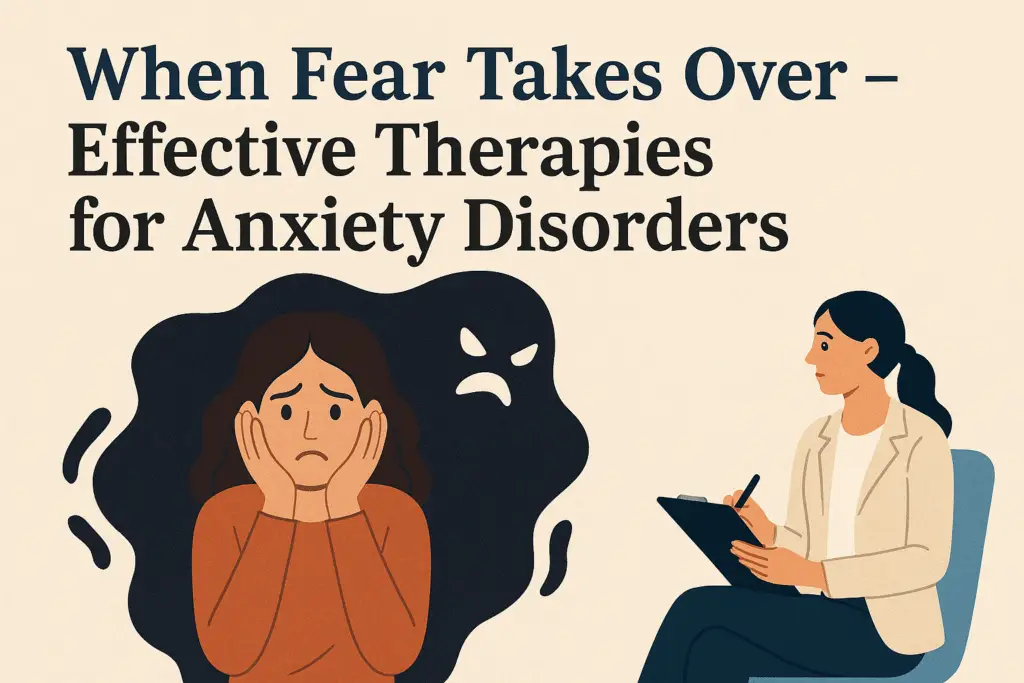
A Life Interrupted by Fear Every morning, Sara would check the locks on her front door—once, twice, then again. She knew it was irrational, but the fear that something terrible might happen if she didn’t was overpowering. Her hands were raw from constant washing, and she avoided social gatherings, terrified of judgment. Sara’s world had […]
How Can Technology Enhance Remote Neurofeedback?
Future possibilities for remote neurofeedback delivery and teletherapy applications.
What Is the Role of Genetics in Neurofeedback Response?
Understanding genetic factors that may influence individual responses to neurofeedback therapy.
Dizziness: Causes, Symptoms, and Effective Therapies

Dizziness is a common yet complex symptom that can range from a fleeting sense of imbalance to a debilitating spinning sensation (vertigo). It affects millions of people each year and can stem from various underlying causes — some temporary and harmless, others more serious. For many, dizziness impacts daily life, affecting work, school, driving, and […]
Can Neurofeedback Support Gender-Specific Health Needs?
Addressing gender-specific health concerns and hormonal influences in neurofeedback therapy.
Why Middle-Aged Americans Are the Loneliest Generation

The Hidden Crisis Loneliness is often portrayed as a challenge faced by the elderly, but emerging research reveals a surprising demographic at the heart of a growing crisis: middle-aged Americans. Recent studies indicate that adults in their 40s to 60s in the United States report higher levels of loneliness than both younger and older […]
What Are the Philosophical Implications of Neurofeedback?
Deeper philosophical questions about consciousness, free will, and human potential in neurofeedback practice.
How Does Neurofeedback Address Sensory Processing Issues?
Applications of neurofeedback for sensory processing disorders and sensory sensitivities.
What Is the Connection Between Breathing and Neurofeedback?
Relationship between breathing patterns, respiratory training, and neurofeedback therapy outcomes.
Alcohol and Its Impact on Brain Health and Society
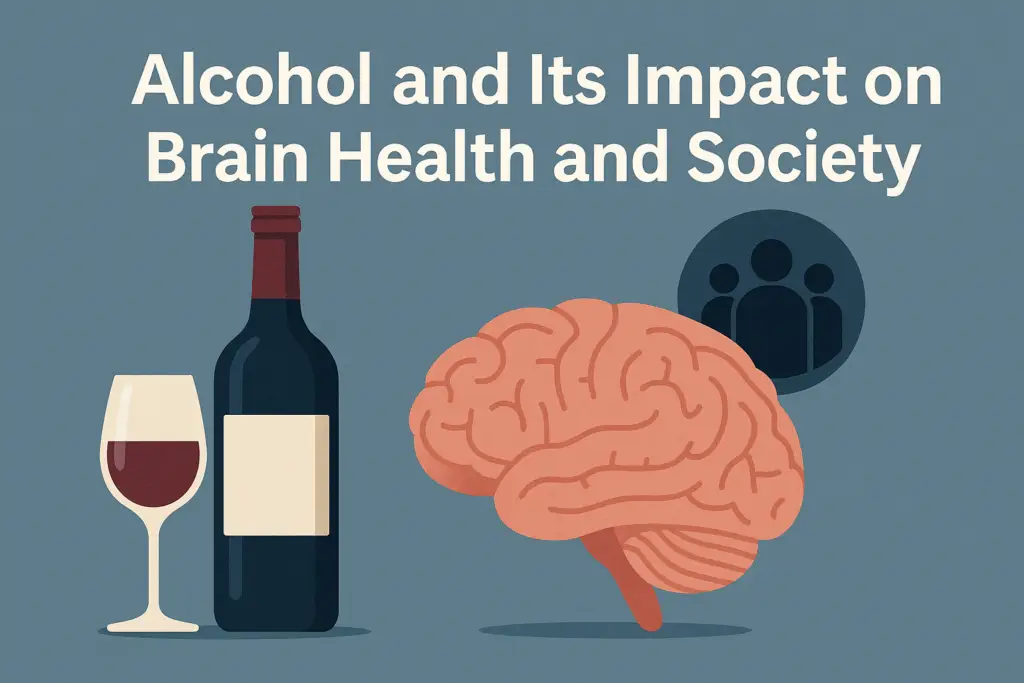
Recent research has brought to light the significant risks associated with heavy alcohol consumption, particularly its impact on brain health. A study published in Neurology found that heavy drinkers have a 133% higher chance of developing vascular brain lesions compared to non-drinkers, and a 41% increased likelihood of developing tau tangles, a key marker of […]