

Understanding Your Circadian Rhythm and Brain Regulation
How Your Internal Clock Shapes Brain Health, Sleep, and Mental Wellness
Your circadian rhythms are 24-hour biological cycles that directly influence brain cognition and indirectly affect sleep-wake cycles
. As Jon S. Haupers, our certified LENS neurofeedback specialist, explains: “Understanding your internal clock isn’t just about sleep—it’s about optimizing every aspect of brain function and mental wellness.”
Research published in Annual Reviews of Psychology demonstrates that
circadian regulation of performance depends on accumulated sleep debt and cognitive domain, involving ascending arousal systems and their interaction with attention and cognitive processes
. This intricate relationship between time, brain function, and mental health affects everything from mood regulation to memory consolidation.
For individuals experiencing anxiety, depression, ADHD, or sleep difficulties, understanding circadian rhythm dysfunction may provide crucial insights into their symptoms and recovery path.
⚕️ Important Medical Disclaimer:
The information provided is for educational purposes only and is not intended as medical advice, diagnosis, or treatment. LENS neurofeedback is a wellness modality NOT intended to diagnose, treat, cure, or prevent any disease. Always consult a qualified healthcare professional before beginning any wellness program. Individual results vary. NeuroBalance does not provide medical services.
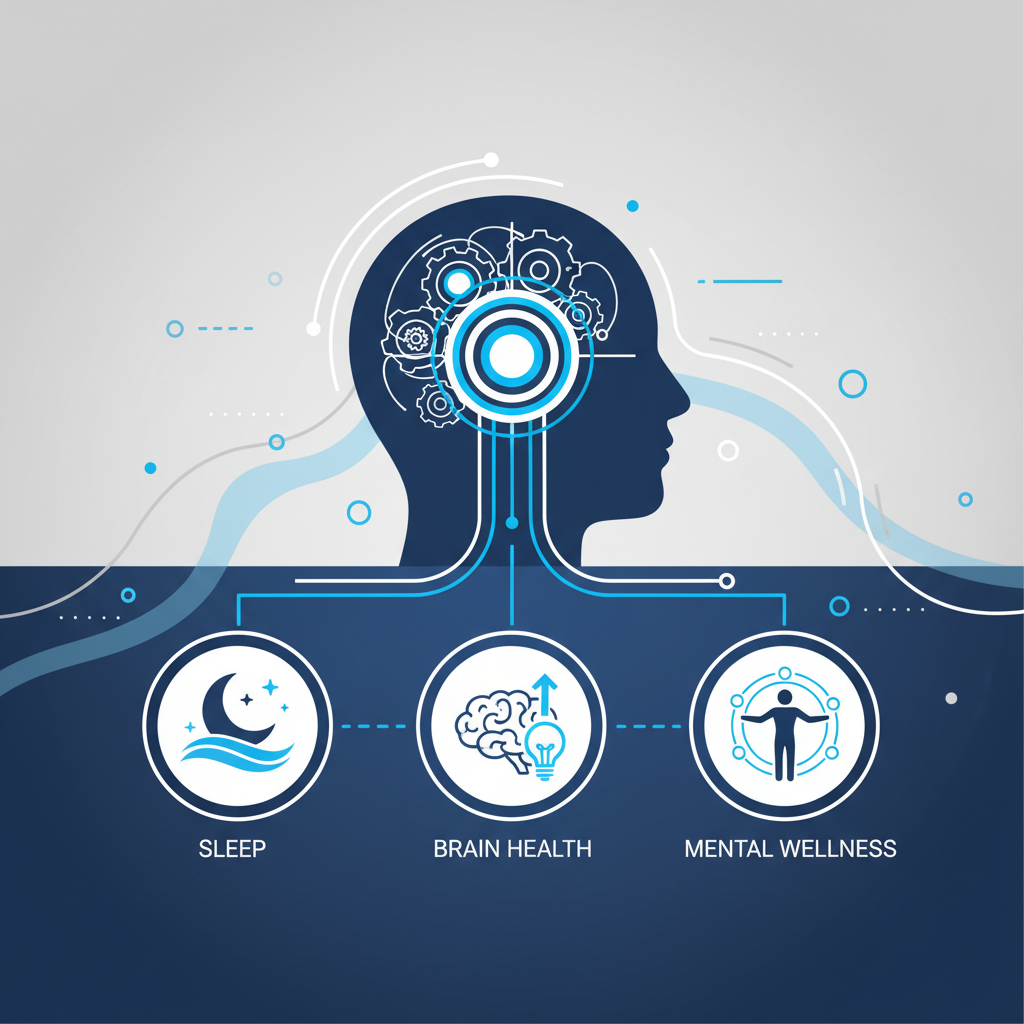
How Circadian Rhythms Regulate Brain Function
The mammalian circadian system comprises multiple cellular biological clocks synchronized among each other, with the hypothalamic suprachiasmatic nucleus (SCN) harboring the principal clock that coordinates circadian rhythms in peripheral tissues and brain structures
.
Recent research in Nature Neuroscience reveals that
besides the SCN, other central regions contain 24-hour activity in electrical properties, metabolic processes and gene expression, though few show robust self-sustained oscillatory activity without SCN coordination
. This sophisticated network ensures proper brain function through several key mechanisms:
Molecular Clock Machinery
In mammalian cells, circadian rhythm is controlled by core clock genes including BMAL1, CLOCK, Period (Per), Cryptochrome (Cry), REV-ERB, and ROR, which form feedback loops involving mutual promotion or inhibition to achieve periodic rhythmicity at cellular and molecular levels
.
For clients at our Los Angeles neurofeedback practice, understanding this molecular foundation helps explain how LENS neurofeedback therapy may support natural brain regulation processes.
Brain Network Coordination
Attention-related cortical responses show extensive circadian rhythms, with phases varying across different brain regions
. This regional variation allows for precise timing of cognitive functions throughout the day.
💡 Research Insight:
Studies show that
a well-regulated sleep-wake cycle offers neuroprotective benefits through metabolic rate reduction, core temperature modulation, inflammation control, and enhanced neuroplasticity—all contributing to neurological recovery
.
The Suprachiasmatic Nucleus: Your Brain’s Master Clock
The circadian system, regulated by the suprachiasmatic nucleus (SCN), controls essential physiological functions such as the sleep-wake cycle, metabolism, and neuroendocrine signaling
.
Located in the hypothalamus, the SCN acts as your brain’s master clock, receiving light information directly from your eyes and coordinating time-related functions throughout your body. For clients seeking TBI recovery support or PTSD treatment, understanding SCN function helps explain how trauma can disrupt natural brain timing systems.
SCN and Light Regulation
Endogenous circadian rhythms are aligned with the external light/dark cycle of Earth’s rotation, offering the advantage of anticipating environmental changes
. Recent research in Nature Reviews Neuroscience explores
“the cognitive impact of light: illuminating ipRGC circuit mechanisms”
.
This light-driven regulation explains why individuals with seasonal depression or shift work challenges often benefit from approaches that support natural brain regulation, such as LENS therapy.
📍 NeuroBalance Los Angeles
Located in Mar Vista, serving clients throughout Southern California. Home visits also available.
4029 Alla Road, Los Angeles, CA 90066 • 424.625.5445
—
Neurotransmitters and Circadian Control
The intricate dance between neurotransmitters and circadian rhythms creates a symphony of brain activity that governs everything from sleep to mood.
Nerve cells in the brainstem release neurotransmitters including norepinephrine, histamine, and serotonin that act on parts of the brain to keep it alert and working well while you are awake
.
Key Neurotransmitter Systems
Several neurotransmitter systems work together to maintain our circadian rhythms.
These regions contain neurons that release various neurotransmitters, such as noradrenaline (NA), gamma-aminobutyric acid (GABA), acetylcholine, and histamine
. Each plays a specific role in the delicate balance between wakefulness and sleep.
| Neurotransmitter | Primary Function | Circadian Role |
|---|---|---|
| GABA | Primary inhibitory neurotransmitter | Promotes sleep onset and maintenance |
| Serotonin | Mood regulation and sleep | Influences circadian clock sensitivity |
| Norepinephrine | Arousal and alertness | Maintains wakefulness during day |
| Acetylcholine | Learning and memory | Active during REM sleep and waking |
📊 What Research Suggests:
The neurotransmitters involved in the suprachiasmatic nucleus’ circadian activity also affect other seasonal processes. Levels of serotonin peak between October and November before declining again and reaching a nadir between December and January, with reductions in 5-HT concentrations during the winter months coinciding with an increased prevalence of seasonal affective disorder
.
GABA and Sleep Regulation
The SCN delivers a signal via the inhibitory neurotransmitter GABA (gamma-amino-butyric acid) that inhibits the paraventricular nucleus
. This inhibitory action is crucial for the transition from wakefulness to sleep, helping quiet the brain’s arousal systems.
GABA dysfunction is often linked to sleep disorders and anxiety conditions that many of our clients at NeuroBalance experience. When GABA signaling becomes impaired, the brain struggles to transition into restful states.
Adenosine and Sleep Pressure
One chemical involved in that process is called adenosine. Adenosine seems to work by slowly building up in your blood when you are awake, making you drowsy. While you sleep, the chemical slowly dissipates
.
💡 Understanding Brain Health:
Caffeine promotes wakefulness by blocking adenosine receptors, which explains why consuming caffeine late in the day can disrupt sleep patterns. This interference with natural adenosine signaling can throw off your entire circadian rhythm.
Acetylcholine and Memory Consolidation
The neurotransmitter acetylcholine is at its strongest both during REM (rapid eye movement) sleep and while you are awake. It seems to help your brain keep information gathered while you are awake, then sets that information as you sleep. So if you study or learn new information in the hours before bed, “sleeping on it” can help you remember it
.
This connection between acetylcholine and memory formation highlights why cognitive rehabilitation programs often focus on optimizing sleep patterns alongside direct cognitive training.
The Sleep-Wake Cycle and Brain Health
Among various circadian-regulated processes, the sleep–wake cycle is the most prominent in humans. This daily rhythm is governed by two opposing regulatory forces: the homeostatic sleep drive and the circadian wake drive
.
The Two-Process Model
The Two Process Model is the dominant framework for understanding the timing and content of sleep behavior at the level of the whole organism and specific brain areas. The two processes are circadian rhythmicity (Process C) and sleep homeostasis (Process S)
.
💡 Understanding Brain Health:
Process S represents sleep pressure that builds throughout wakefulness, while Process C represents the circadian alerting signal that fluctuates throughout the day. When these processes become misaligned, sleep disorders and cognitive difficulties often emerge.
Sleep and Brain Neuroprotection
A well-regulated sleep–wake cycle is essential for brain function and overall health, offering neuroprotective benefits through several mechanisms, including reductions in metabolic rate and core temperature, modulation of inflammation and apoptosis, and enhancement of neuroplasticity—all of which contribute to neurological recovery
.
This neuroprotective function of sleep is particularly relevant for individuals recovering from traumatic brain injury or managing conditions like PTSD where sleep disturbances are common.
Natural Sleep Architecture
Your circadian biological clock causes highs and lows of sleepiness and wakefulness throughout the day. Typically, most adults feel the sleepiest between 2 a.m. and 4 a.m., and also between 1 p.m. and 3 p.m.
💬 What Clients Share:
“I used to fight the afternoon energy dip with caffeine, but now I understand it’s natural. Since starting LENS therapy, my overall energy feels more stable throughout the day.” – Individual results vary
The Brain’s Sleep Networks
The regulation of sleep–wake behavior is governed by both circadian and homeostatic mechanisms. Recent research has revealed that the neural circuitry involved in sleep–wake regulation includes multiple interconnected nuclei responsible for promoting either sleep or wakefulness, forming a complex and integrated regulatory network. Key brain regions involved in sleep–wake regulation include the brainstem, hypothalamus, dorsal thalamus, and basal forebrain
.
When these brain networks become dysregulated, individuals may experience symptoms that benefit from LENS neurofeedback therapy, which helps restore natural brain balance.
Consequences of Circadian Disruption
When our circadian rhythms become disrupted, the consequences extend far beyond feeling tired. Research reveals that circadian misalignment affects virtually every aspect of brain function and mental health.
Sleep Disorders and Brain Function
These 2 diagnoses often get misdiagnosed as insomnia or excessive sleepiness but are distinctly different disorders resulting from disruptions in the synchronization of the sleep/wake cycle. People prone to developing circadian rhythm sleep disorders include individuals who work evening shifts or have irregular shift schedules and the blind
.
📊 What Research Suggests:
Irregular sleep-wake rhythm disorder, although rare, is found in people suffering from neurological disorders such as dementia, mental retardation, and brain damage
, highlighting the critical connection between brain health and circadian function.
Mood and Mental Health Impact
Research has linked disrupted circadian rhythmicity with mood disorders including bipolar disorder, seasonal affective disorder, and other depressive disorders. Patients with major depressive disorder, for instance, frequently report early morning awakenings and insomnia. It has been postulated that circadian rhythms are phase-delayed in major depressive disorder
.
These connections between circadian disruption and mood disorders help explain why many clients seeking depression support or bipolar disorder management also experience sleep difficulties.
Cognitive Performance Decline
Even losing just 1 hour of sleep over a few days can have an effect. It can lead to a decrease in performance, mood, and thinking
. This demonstrates how sensitive our brains are to even minor disruptions in sleep patterns.
⚕️ Important Note:
Chronic circadian disruption has been linked to increased risk of neurodegenerative diseases, cardiovascular problems, and metabolic disorders. Individual responses vary, and healthcare providers should be consulted for persistent sleep issues.
Clinical Research Findings
Recent clinical studies have provided compelling evidence about circadian disruption’s impact on health.
Compared with the control group, patients with ICH exhibited significantly disrupted circadian rhythms, characterized by reductions in IS, IV, and RA
, showing how brain injuries can further compromise circadian function.
These findings underscore why comprehensive brain health approaches, like those offered through our neurofeedback brain training programs, often address sleep and circadian rhythm optimization alongside specific symptom management.
How LENS Neurofeedback Supports Brain Balance
LENS (Low Energy Neurofeedback System) offers a unique approach to supporting healthy circadian rhythms by working directly with the brain’s natural regulatory mechanisms. Unlike traditional interventions that target symptoms, LENS helps the brain reorganize itself for better overall function.
The Science Behind LENS
The Low Energy Neurofeedback System (LENS) developed by Dr. Len Ochs uses feedback in the form of a radio frequency carrier wave, administered at a positive offset frequency from the person’s own dominant EEG frequency. Although it is an unusual biofeedback procedure, the feedback being invisible and the subject passive, clinical evidence supports the efficacy of the LENS across a spectrum of conditions
.
💡 Understanding Brain Health:
LENS works by providing extremely low-energy feedback signals that are much weaker than what you’re exposed to from everyday devices like cell phones. This gentle stimulation helps “unstick” dysfunctional brainwave patterns.
Supporting Natural Brain Regulation
Low Energy Neurofeedback (LENS), works by reading these brain waves and generating a customized correlation of electrical signals back to the brain. This “feedback” is understood to cause adaptive disruptions to patterns of neural-firing and may induce healthier, more plastic, brain states. Insight (LENS) Neurofeedback is understood to catalyze this process in a passive manner by providing gentle and safe electrical feedback
.
This neuroplasticity-focused approach helps the brain develop better self-regulation abilities, which can naturally improve circadian rhythm function. Many clients report improvements in sleep quality and energy patterns as their brain function optimizes.
Clinical Evidence and Effectiveness
Research demonstrates remarkable outcomes with LENS therapy.
Average symptom ratings across 15 major problem areas (e.g., anxiety, mood disturbance, attentional problems, fatigue, pain, sleep problems, etc.) showed significant improvements (p < .0001) from beginning to end of treatment. After an average of only 20 treatments the mean average of patient symptom ratings (0-10) declined from 7.92 to 3.96, a 50% improvement
.
📊 What Research Suggests:
This 50% improvement rate includes sleep problems as one of the major areas showing significant benefits, supporting LENS therapy’s effectiveness for circadian rhythm-related issues.
Gentle, Passive Treatment Approach
LENS Neurofeedback is a proven safe and highly effective technique – and works passively by lightly attaching sensors to the forehead and earlobes. Nothing is required of you while you undergo LENS
.
This passive nature makes LENS particularly suitable for individuals with autism spectrum disorders or those who struggle with more demanding therapeutic approaches. Many clients find the sessions relaxing and some even fall asleep during treatment.
💬 What Clients Share:
“After just a few LENS sessions, I started falling asleep more easily and waking up more refreshed. My whole daily rhythm feels more natural now.” – Individual results vary
Comprehensive Wellness Support
At NeuroBalance, we complement LENS therapy with additional approaches like PBM therapy, which uses specific wavelengths of light to support cellular health and may further enhance circadian rhythm regulation.
Our comprehensive approach recognizes that brain health involves multiple interconnected systems, and supporting circadian rhythms often leads to improvements across many areas of function, from attention and focus to emotional regulation.
⚕️ Important Note:
Individual responses to LENS therapy vary. While many clients experience improvements in sleep and circadian rhythms, we recommend discussing your specific situation with our team to understand realistic expectations for your unique circumstances.
What Research Suggests
The scientific foundation for neurofeedback therapy continues to grow, with research demonstrating its effectiveness across various conditions and age groups.
After an average of only 20 treatments the mean average of patient symptom ratings declined from 7.92 to 3.96, a 50% improvement
according to a comprehensive clinical outcomes study published in the Journal of Neurotherapy.
Multiple peer-reviewed studies demonstrate LENS neurofeedback’s unique advantages.
Multiple studies demonstrate its effectiveness for conditions like ADHD, anxiety, depression, and PTSD, with success rates ranging from 65-85% across different conditions
. What makes this particularly significant is that
it particularly produces rapid improvements in the first five to six sessions
, offering hope for those who have struggled with traditional approaches.
🔬 Research Highlights:
- LENS therapy’s credibility stems from its FDA registration, peer-reviewed research, basis in established neuroscience principles
- A study in the Journal of Clinical EEG and Neuroscience demonstrated that LENS Neurofeedback could enhance neuroplasticity, particularly in areas of the brain associated with executive functioning and emotional regulation. These changes were sustained over time
-
The neuroimaging-based documentation of the effect of LIP-tES treatment on brain functioning
provides objective evidence of brain changes
The evidence base for neurofeedback includes both clinical outcomes and measurable brain changes.
qEEG brain mapping provides objective evidence of LENS therapy’s effects, showing improved brainwave patterns, enhanced connectivity, and normalized electrical activity. These measurable changes correlate with symptom improvements reported by patients
. This dual approach of subjective reporting and objective measurement strengthens the scientific foundation significantly.
Notably,
clinical evidence supports the efficacy of the LENS across a spectrum of conditions
, from anxiety and depression to traumatic brain injury recovery. The therapy’s effectiveness appears to stem from its ability to facilitate the brain’s natural healing processes rather than suppressing symptoms artificially.
Supporting Your Circadian Health
While circadian rhythms operate largely below conscious awareness, there are evidence-based approaches that may support your brain’s natural timing systems. Understanding these practical strategies can complement professional support options like LENS neurofeedback therapy.
Light Exposure and Brain Rhythms
Natural light exposure plays a crucial role in maintaining healthy circadian rhythms. Morning sunlight exposure within the first hour of waking may help synchronize the suprachiasmatic nucleus with environmental cues. Evening light reduction, particularly blue light from screens, supports the natural production of melatonin.
Sleep Timing and Consistency
Consistent sleep and wake times, even on weekends, help maintain circadian rhythm stability. This consistency supports the brain’s internal clock and may improve overall cognitive function, mood regulation, and attention throughout the day.
💡 Professional Support Options:
For those experiencing persistent sleep difficulties, attention challenges, mood concerns, or other symptoms that might relate to circadian disruption, professional evaluation can be valuable. Our getting started process includes comprehensive brain pattern analysis to understand individual needs.
Brain Training Approaches
Neurofeedback therapy works by providing gentle signals that help the brain optimize its own patterns. Unlike external interventions that impose artificial rhythms, LENS technology supports the brain’s inherent capacity for self-regulation and timing coordination.
This approach may be particularly relevant for individuals experiencing challenges with anxiety symptoms, attention difficulties, or sleep disruption that might relate to circadian dysregulation.
Frequently Asked Questions
Your Brain Wellness Journey
Understanding circadian rhythms and brain regulation provides insight into the complex orchestration happening within our nervous system every day. The suprachiasmatic nucleus serves as the conductor of this neural symphony, coordinating timing across multiple brain regions to support everything from sleep-wake cycles to cognitive performance and emotional regulation.
When these rhythms become disrupted – whether through lifestyle factors, stress, injury, or other challenges – the effects can ripple throughout our daily experience. The emerging research on neurofeedback therapy offers hope for supporting the brain’s natural timing systems through gentle, non-invasive approaches that work with rather than against our neurological design.
Whether you’re exploring options for anxiety support, looking to understand ADHD and brain function, or interested in peak performance optimization, we’re here to provide educational resources and support.
🌱 Take Your Next Step:
Learn more about getting started with NeuroBalance, explore our client testimonials, or browse our FAQ for more information.
Ready to Explore Neurofeedback?
Take the first step toward supporting your brain wellness journey. Schedule a consultation to learn if LENS neurofeedback might be right for you.
📞 424.625.5445 | ✉️ [email protected]
📍 4029 Alla Road, Los Angeles, CA 90066
This content is for educational purposes only and is not intended as medical advice. Always consult with qualified healthcare professionals regarding your health concerns.