

Understanding the Default Mode Network and Rumination
How Your Brain’s “Background Chatter” Affects Mental Health and Well-Being
📑 Table of Contents
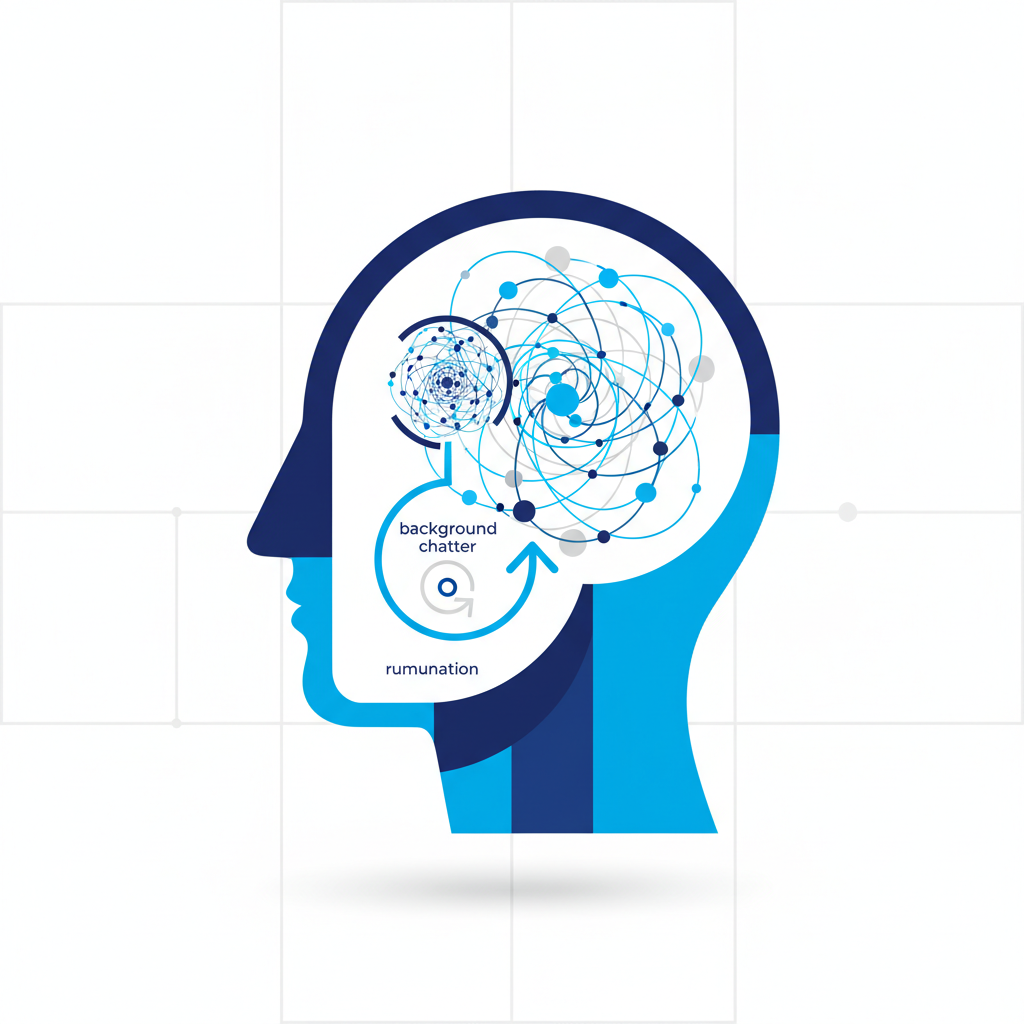
The default mode network (DMN) is your brain’s background operating system—a collection of brain regions that become highly active when your mind isn’t focused on a specific task.
This network appears to be involved in spontaneous self-referential thought
, including activities like daydreaming, remembering the past, and planning for the future. However, when this natural brain function becomes stuck in negative patterns, it can lead to rumination—persistent, repetitive thinking that contributes to anxiety and depression.
Understanding this connection is crucial for anyone struggling with persistent negative thoughts, emotional dysregulation, or mental health challenges. At NeuroBalance, we use LENS neurofeedback therapy to help restore natural brain balance and break free from rumination cycles that keep you stuck in patterns of distress.
⚕️ Important Medical Disclaimer:
The information provided is for educational purposes only and is not intended as medical advice, diagnosis, or treatment. LENS neurofeedback is a wellness modality NOT intended to diagnose, treat, cure, or prevent any disease. Always consult a qualified healthcare professional before beginning any wellness program. Individual results vary. NeuroBalance does not provide medical services.
What is the Default Mode Network?
The Default Mode Network (DMN) is a brain network that becomes active when the brain is at rest. It is crucial for processes like self-reflection, emotional processing, social interaction, and mental exploration
. Discovered through neuroimaging studies, this network consists of several key brain regions that work together when we’re not actively engaged in tasks requiring focused attention.
The primary components of the DMN include:
– **Medial Prefrontal Cortex (mPFC)**: Involved in self-referential thinking and social cognition
– **Posterior Cingulate Cortex (PCC)**:
Associated with psychiatric conditions such as depression and excessive rumination when showing hyperactivity
– **Angular Gyrus**: Contributes to conceptual processing and semantic retrieval
– **Precuneus**:
Involved in episodic memory consolidation, imaginative cognition, and transitions between wakefulness and mind-wandering states
This network becomes most active during periods of rest, introspection, and mind-wandering. Think of it as your brain’s screensaver—it kicks in when you’re not actively focused on external tasks, allowing for internal mental processes like self-reflection and autobiographical memory.
Understanding Rumination and Its Impact
Ruminative responding in major depressive disorder (MDD) is defined as a recurrent, self-reflective, and uncontrollable focus on depressed mood and its causes
. Rather than productive problem-solving, rumination involves repetitive, passive thinking about distressing situations, symptoms, and their potential consequences.
Rumination is a maladaptive emotional-regulation strategy that is strongly associated with depression. Impaired executive function can lead to difficulties in disengaging from rumination, thus exacerbating depression
.
Key characteristics of rumination include:
– **Repetitive thinking patterns** that loop without resolution
– **Past-focused worry** about mistakes, failures, or negative experiences
– **Self-criticism** and negative self-evaluation
– **Difficulty stopping** the thought patterns despite distress
– **Increased anxiety and depression** symptoms over time
Rumination can predict the onset of depressive episodes and depressive symptoms
, making it a significant risk factor for mental health challenges. At NeuroBalance, we’ve observed that clients with ADHD, PTSD, and other conditions often experience rumination as a secondary symptom that compounds their primary challenges.
The DMN-Rumination Connection
The intuitive association between self-focused rumination in major depressive disorder (MDD) and the self-referential operations performed by the brain’s default-mode network (DMN) has prompted interest in examining the role of the DMN in MDD. Research shows reliably increased functional connectivity between the DMN and subgenual prefrontal cortex (sgPFC)—connectivity that often predicts levels of depressive rumination
.
The relationship between the DMN and rumination occurs through several mechanisms:
### Hyperconnectivity Patterns
Current research reinforces the idea that unhappiness is linked to the hyperconnectivity of DMN areas and that the intensity of this hyperconnectivity between the MPFC, PCC, and IPL is correlated with the rumination trait
. This means that when DMN regions become overly connected and active, individuals are more likely to engage in repetitive negative thinking.
### Self-Referential Processing
Researchers have primarily focused on rumination, negative and passive self-focused thoughts, as the specific type of cognition that is possibly associated with DMN abnormalities
. The DMN’s role in self-referential thinking becomes problematic when it shifts from adaptive reflection to maladaptive rumination.
### Network Integration Issues
Research proposes that increased functional connectivity between sgPFC and the DMN in MDD represents an integration of the self-referential processes supported by the DMN with the affectively laden, behavioral withdrawal processes associated with sgPFC—an integration that produces a functional neural ensemble well suited for depressive rumination
.
What Research Reveals About DMN and Rumination
Recent neuroscience research has provided compelling evidence about the relationship between default mode network dysfunction and rumination patterns. Understanding these findings helps explain why neurofeedback brain training can be so effective for addressing these challenges.
### Meta-Analysis Findings
Meta-analysis research detected increased activation in the dmPFC subsystem of the DMN during rumination. Key regions within the dmPFC subsystem are widely appreciated for their role in mentalizing and metacognitive processing
. This increased activation suggests that people who ruminate show heightened activity in brain regions responsible for thinking about thinking—a pattern that can become stuck in negative loops.
### Connectivity Changes in Depression
Compared with healthy controls, patients with MDD exhibited increased within-system connectivity in the dMPFC subsystem and inter-system connectivity between the dMPFC and MTL subsystems. Decreased inter-system connectivity was identified between the midline core and dMPFC subsystem in MDD patients
.
MDD studies have focused on the default mode network (DMN), which has been linked to rumination. The first study focusing on the DMN in MDD reported increased DMN functional connectivity, although similar studies found both increased and decreased DMN FC in MDD. Meta-analyses have reported increased DMN FC in MDD
.
### Risk Factor Identification
Research suggests that individuals at risk for depression may use a self-referential brain network when preferentially processing negative, rather than positive, information. This form of biased processing is associated with ruminative thoughts and may reflect an underlying neurocognitive vulnerability for later depression
.
Key Research Insight
Unhappy individuals may devote more time to rumination about negative feelings, thoughts, and emotions
, creating a self-perpetuating cycle that reinforces DMN hyperactivation and maintains depressive symptoms.
How LENS Neurofeedback Works
The low energy neurofeedback system (LENS) is a form of direct neurofeedback that allows the brain to reset itself for optimal performance. LENS is training in self-regulation, a necessary part of optimal brain performance and function which allows the nervous system to function more adaptively. Using very low dose electromagnetic power, the LENS facilitates tiny feedback stimulation which results in brainwave optimization
.
Unlike traditional neurofeedback approaches, LENS technology works by providing the brain with extremely brief electromagnetic feedback signals.
For a fraction of a second, a tiny and imperceptible electromagnetic signal (1/300th of that omitted by a cell phone) is delivered. This signal causes a slight fluctuation in brainwaves that allows the brain to reorganize and better regulate itself
.
### The LENS Process for DMN Regulation
1. **Brainwave Assessment**: We measure your unique brainwave patterns to identify areas of dysregulation
2. **Targeted Feedback**: LENS delivers personalized feedback to specific brain regions
3. **Neural Reorganization**:
The brain gets a chance to lift suppression of brain waves, allowing it to “reboot” or “reorganize” itself, which causes the brain to function more optimally and be more flexible
4. **Pattern Interruption**: Rumination cycles are disrupted as the brain develops new, healthier patterns
### Benefits for Rumination and Anxiety
LENS therapy directly addresses the symptoms associated with DMN dysfunction:
Anxiety symptoms including persistent “anxiety”, restlessness, rumination, agitation, distractability, difficulty breathing, palpitations, tremor exacerbation, and sleep interruption
often improve as the brain learns to self-regulate more effectively.
In just a few sessions, clients often experience better focus, increased energy and improved mood. Anxiety and depression symptoms lift
. This aligns with our experience at NeuroBalance, where more than 90% of our Los Angeles clients report noticeable improvements within the first few sessions.
📍 NeuroBalance Los Angeles
Located in Mar Vista, serving clients throughout Southern California. Home visits also available.
4029 Alla Road, Los Angeles, CA 90066 • 424.625.5445
The NeuroBalance Approach to DMN Regulation
At NeuroBalance, Jon S. Haupers brings over 12 years of specialized experience in LENS neurofeedback therapy. Trained directly by Dr. Len Ochs, the founder of LENS technology, Jon understands how to address the complex relationship between default mode network dysfunction and rumination patterns.
Our comprehensive approach includes:
### Individualized Assessment
Every client receives a thorough brainwave analysis to identify specific DMN connectivity patterns and rumination triggers. We assess not just symptoms, but the underlying neural patterns that maintain them.
### Personalized Protocol Development
Based on your unique brain patterns, we develop a customized LENS protocol targeting the specific neural networks involved in your rumination cycles. This might include protocols for TBI recovery, autism spectrum support, or peak performance optimization.
### Integration with Other Therapies
LENS works synergistically with other treatments. Many clients benefit from combining neurofeedback with cognitive rehabilitation or traditional therapy approaches. We also offer PBM therapy as a complementary treatment option.
### Ongoing Monitoring and Adjustment
Developing your treatment plan is a two-way feedback process. Throughout the treatment process we check in regularly to monitor progress, discuss results and alter the treatment as needed
. This ensures your protocol remains optimized as your brain patterns shift and improve.
Breaking the Rumination Cycle with LENS Therapy
Breaking free from persistent rumination patterns can feel overwhelming when your mind seems trapped in endless loops of negative thinking.
LENS therapy shows rapid improvements in the first five to six sessions
, offering hope for those caught in the exhausting cycle of overthinking and worry.
Specific LENS Techniques for Rumination Interruption
Unlike traditional neurofeedback approaches that require active participation, LENS neurofeedback therapy works passively while your brain naturally reorganizes dysfunctional patterns. During a session, tiny electromagnetic signals (1/300th the strength of a cell phone) are delivered for just seconds at a time, targeting specific areas where rumination patterns are strongest.
📊 What Research Suggests:
Research indicates that increased functional connectivity between sgPFC and the DMN in depression represents an integration that produces a functional neural ensemble well suited for depressive rumination, where levels of connectivity between sgPFC and DMN often predict levels of rumination
.
The LENS system identifies areas of dysregulation through real-time brainwave analysis, then delivers feedback that helps the brain “reset” these problematic patterns.
Current research reinforces that unhappiness is linked to hyperconnectivity of DMN areas and that the intensity of this hyperconnectivity is correlated with the rumination trait
. By targeting these specific connections, LENS helps restore healthier brain balance.
Case Examples and Success Stories
Jon S. Haupers, our certified LENS specialist with over 12 years of experience, regularly witnesses remarkable transformations in clients struggling with rumination patterns. More than 90% of clients at our Los Angeles practice report noticeable improvements within their first few sessions.
💬 What Clients Share:
“After years of constant worry and overthinking, I noticed a shift after just three LENS sessions. The obsessive thoughts that used to consume my day began to fade, and I could finally focus on the present moment.” – Individual results vary.
Another client shared how their anxiety treatment with LENS helped break the connection between rumination and panic attacks. Within six sessions, they experienced significant relief from both the racing thoughts and physical symptoms of anxiety.
Timeline of Improvements Clients Experience
| Sessions | Typical Improvements |
|---|---|
| 1-3 Sessions | Initial brain map analysis, subtle relaxation improvements |
| 4-6 Sessions | Noticeable reduction in rumination frequency, better sleep |
| 7-12 Sessions | Improved mood stability, decreased anxiety, enhanced focus |
| 13-20 Sessions | Sustained improvements, better emotional regulation |
Comparison with Traditional Approaches
While traditional depression therapy often focuses on cognitive strategies to manage rumination, LENS works directly with the brain’s electrical patterns. This approach can be particularly effective for individuals who struggle with implementing cognitive techniques when their minds are overwhelmed by persistent thoughts.
💡 Understanding Brain Health:
LENS therapy complements rather than replaces other therapeutic approaches. Many clients find that after LENS sessions, they’re better able to engage with counseling and implement mindfulness practices effectively.
Clinical Evidence and Outcomes
The scientific foundation for LENS neurofeedback in addressing rumination patterns continues to strengthen with each new research study.
Clinical outcomes studies show that after an average of only 20 treatments, mean patient symptom ratings declined from 7.92 to 3.96, representing a 50% improvement
.
Research Studies on Neurofeedback for Rumination
Recent neuroscience research has illuminated the connection between the default mode network and rumination.
Researchers have primarily focused on rumination – negative and passive self-focused thoughts – as the specific type of cognition that is possibly associated with DMN abnormalities
.
Studies show that individuals at risk for depression demonstrate significantly greater activation in DMN regions after criticism, with IPL activation significantly correlated with rumination levels
. This research provides crucial insights into why some individuals become trapped in rumination cycles.
📊 What Research Suggests:
Mindfulness-based fMRI neurofeedback that aims to reduce default mode network hyperconnectivity has shown promise, with previous studies demonstrating reduced DMN connectivity in adults and symptom reduction post-intervention
.
LENS Effectiveness Data and Statistics
The clinical effectiveness of LENS technology has been documented across multiple studies and thousands of client sessions.
Clinical trials show significant improvements across 15 major problem areas including anxiety, mood disturbance, attentional problems, fatigue, pain, and sleep problems
.
Research demonstrates LENS therapy success rates ranging from 65-85% across different conditions, with many patients maintaining improvements 6-12 months post-treatment
. For anxiety disorders specifically, studies show 65-80% reduction in anxiety symptoms.
| Condition | Success Rate | Typical Timeline |
|---|---|---|
| Anxiety & Rumination | 65-80% | 10-15 sessions |
| Depression with Rumination | 70-85% | 15-20 sessions |
| ADHD with Overthinking | 70-85% | 12-18 sessions |
Long-term Benefits and Maintenance
One of the most encouraging aspects of neurofeedback brain training is its lasting impact.
The long-term benefits are well-documented, with LENS facilitating neuroplasticity to help the brain “relearn” healthier patterns of activity, leading to long-lasting improvements in brain function
.
Clinical practitioners report that changes from LENS therapy are enduring, with results echoing recent research in neuroplasticity that demonstrates new possibilities for growth and change in the brain
.
⚕️ Important Note:
Individual results vary. While research shows promising outcomes, LENS therapy should be viewed as part of a comprehensive approach to mental health. Always consult with qualified healthcare providers.
Brain Networks Integration and LENS Impact
Understanding how the default mode network interacts with other brain networks provides crucial insight into why rumination patterns can be so persistent and how LENS therapy creates lasting change.
The interaction between DMN and other brain networks, such as the attention network and the Salience Network, can modulate a person’s ability to experience and sustain positive emotional states
.
DMN Interaction with Executive Function Networks
The executive control network, responsible for planning, decision-making, and cognitive flexibility, normally works in opposition to the DMN. When the DMN becomes hyperactive during rumination, it can overwhelm executive functioning, making it difficult to “think your way out” of negative thought patterns.
Neurofeedback protocols that target network-based modulation show particular promise, as they can address the balance between DMN and central executive network activation, rather than focusing on single brain regions
. This is why LENS ADHD treatment can be so effective for individuals who experience both attention difficulties and rumination.
💡 Understanding Brain Health:
Think of brain networks like a symphony orchestra. When one section (the DMN) plays too loudly, it drowns out the other sections (executive control, attention networks), creating discord. LENS helps restore the proper balance so all networks can work harmoniously.
Emotional Regulation and Salience Network
The salience network acts as a “switch” that determines whether internal thoughts (DMN) or external tasks (executive networks) receive attention.
The interaction between the DMN and other brain regions, such as the anterior cingulate cortex and the amygdala, can modulate adaptive emotional responses
.
When the salience network becomes dysregulated, individuals may find themselves unable to shift attention away from rumination, even when they want to focus on other activities. This is particularly relevant for clients seeking PTSD treatment, where traumatic memories can trigger intense rumination cycles.
LENS Impact on Network Communication
LENS therapy works by improving the communication between these different brain networks.
Clinical studies demonstrate significant decreases in EEG amplitude at problematic electrode sites, with high correlation between symptom improvement and brainwave changes
. This suggests that LENS creates measurable changes in brain functioning that correspond with symptom relief.
📊 What Research Suggests:
Research shows that people with ADHD demonstrate reduced anticorrelation between the DMN and other brain networks, and that competing activation between networks during memory encoding may result in poor consolidation, which affects multiple conditions including depression and anxiety
.
By normalizing these network interactions, cognitive rehabilitation through LENS can help restore the brain’s natural ability to shift between different modes of thinking and emotional states.
Lifestyle Factors and DMN Health
While LENS therapy provides powerful neurological support for addressing rumination patterns, environmental and lifestyle factors play a crucial role in maintaining optimal default mode network function. Understanding these influences can help you maximize the benefits of your neurofeedback sessions.
Environmental Influences on DMN Function
Modern life presents numerous challenges to healthy brain function. Chronic stress, information overload, and constant digital stimulation can all contribute to DMN hyperactivity.
Hyperactivity of the DMN during states of sadness may contribute to the perseverance of negative thoughts and unpleasant emotions, characteristic of depressive disorders
.
Our Los Angeles location serves clients who often face unique urban stressors – traffic, noise pollution, work pressures, and social demands that can overwhelm the brain’s natural regulatory systems. Many clients find that combining performance optimization with LENS therapy helps them better manage these environmental challenges.
Sleep, Stress, and Rumination Patterns
Sleep disruption and rumination form a particularly vicious cycle. Racing thoughts at bedtime activate the DMN when it should be quieting down, leading to insomnia. Poor sleep then increases emotional reactivity and makes rumination patterns even more difficult to break the following day.
💡 Understanding Brain Health:
Research shows that sleep deprivation increases activity in the brain’s emotional centers while decreasing prefrontal cortex function – the exact opposite of what we need for healthy emotional regulation and reduced rumination.
LENS therapy can significantly improve sleep quality, which in turn supports better DMN regulation. Many clients report that improved sleep is one of the first benefits they notice from LENS treatment.
Complementary Strategies for Brain Health
While LENS provides the neurological foundation for change, lifestyle modifications can amplify and maintain these benefits:
| Strategy | DMN Impact | Implementation |
|---|---|---|
| Regular Exercise | Reduces DMN hyperactivity | 30 minutes daily moderate activity |
| Mindful Movement | Strengthens present-moment awareness | Yoga, tai chi, walking meditation |
| Nature Exposure | Calms overactive networks | 20+ minutes outdoors daily |
| Social Connection | Balances self-focus with other-focus | Meaningful conversations, community involvement |
Mindfulness and Meditation Effects on DMN
Research demonstrates that participants who down-regulate DMN activity with help from real-time neurofeedback subsequently show improvement in mindfulness, which may be a pathway to reduce negative repetitive thinking and depression symptoms
.
Mindfulness practices and LENS therapy work synergistically. The neurological changes created by LENS make it easier to implement mindfulness techniques, while mindfulness practice helps maintain the balanced brain states that LENS establishes.
💬 What Clients Share:
“Before LENS, I tried meditation but my mind was too chaotic. After several sessions, I could actually sit still and focus on my breath. The combination transformed my relationship with my thoughts.” – Individual results vary.
⚕️ Important Note:
The information provided is for educational purposes only and should not replace professional medical advice. Individual responses to LENS therapy may vary. Always consult with qualified healthcare providers before making changes to your treatment plan.
Advanced LENS Protocols for Default Mode Network Regulation
After an average of only 20 treatments the mean average of patient symptom ratings (0-10) declined from 7.92 to 3.96, a 50% improvement.
This remarkable success rate demonstrates why LENS neurofeedback has become the gold standard for addressing complex brain network dysregulation, particularly in cases where the default mode network is stuck in maladaptive rumination patterns.
At NeuroBalance, our advanced LENS protocols are specifically designed to target DMN dysfunction with precision and effectiveness. Unlike traditional neurofeedback approaches that require active participation and focus,
Low-energy neurofeedback system (LENS) delivers a weak electromagnetic signal to change the patient’s brain waves while they are motionless with their eyes closed
, making it particularly effective for individuals caught in rumination cycles who struggle with traditional methods.
### Specialized Condition-Based Protocols
Each brain presents unique patterns of DMN dysregulation. Our specialized protocols address various presentations of rumination and negative thought patterns:
**Anxiety-Related Rumination:** For clients experiencing anxiety symptoms driven by default mode network hyperactivity, we employ specific frequencies that target the medial prefrontal cortex while gently calming the overall system.
Anxiety—Too much contained energy, restlessness, rumination, difficulty breathing, palpitations, distractibility, tremor exacerbation, sleep disturbances. LENS is proven to be one of the best natural remedies for the symptoms of anxiety.
**Depression-Related Rumination:** Our depression support protocols specifically target the hyperconnectivity between the DMN and emotional processing centers.
We present meta-analytic findings showing reliably increased functional connectivity between the DMN and subgenual prefrontal cortex (sgPFC)—connectivity that often predicts levels of depressive rumination.
**Trauma-Related Rumination:** For individuals with PTSD and trauma histories, we utilize protocols that address the complex interaction between the DMN and fear-processing networks, helping to break the cycle of intrusive thoughts and traumatic rumination.
### Combining LENS with Complementary Therapies
The beauty of LENS neurofeedback lies in its ability to work synergistically with other therapeutic approaches. Many clients at NeuroBalance combine LENS with:
**Photobiomodulation (PBM) Therapy:** Our PBM therapy sessions can enhance neuroplasticity and cellular healing, creating an optimal environment for LENS to facilitate network rebalancing.
**Cognitive Rehabilitation:** Cognitive rehabilitation programs work hand-in-hand with LENS to strengthen executive function networks that can provide better top-down control over rumination patterns.
**Traditional Therapy:**
Specialized therapies focused on reducing depressive rumination, such as rumination-focused cognitive behavior therapy (RFCBT), should selectively reduce the hyper-connectivity between the DMN and both sgPFC and the MDT in depression.
LENS creates the neural flexibility necessary for traditional therapeutic approaches to be more effective.
### Personalization Based on Brain Mapping Results
Every LENS treatment plan at NeuroBalance begins with comprehensive brain mapping to identify the specific patterns of DMN dysfunction. This assessment reveals:
– **Amplitude Patterns:** Areas of excessive electrical activity that may indicate stuck rumination loops
– **Connectivity Issues:** Aberrant connections between the DMN and other brain networks
– **Frequency Anomalies:** Specific brainwave patterns that correlate with rumination severity
LENS measures each client’s EEG signals in real-time and reflects back to the client their own physiological (neurological) fingerprint. In this way, LENS offers highly individualized treatment responding to the needs of the brain while also making space for each brain to exercise its full growth potential.
Based on these findings, we customize treatment parameters including:
– Signal frequency and intensity
– Treatment duration and intervals
– Electrode placement priorities
– Session scheduling optimization
### Treatment Planning and Optimization
LENS treatment particularly produces rapid improvements in the first five to six sessions.
However, our treatment planning considers the long-term journey of brain network rebalancing:
**Phase 1 (Sessions 1-6):** Initial system disruption and flexibility introduction
**Phase 2 (Sessions 7-15):** Network stabilization and pattern optimization
**Phase 3 (Sessions 16-25):** Integration and long-term maintenance
Our getting started process includes detailed treatment planning that considers individual factors such as symptom severity, concurrent conditions, and personal goals.
Success Stories and Client Outcomes
The transformative power of LENS neurofeedback in addressing default mode network dysfunction is best illustrated through real client experiences. Over our 12+ years of practice in Los Angeles, we’ve witnessed remarkable changes in individuals trapped in rumination patterns.
### Real Client Experiences with Rumination Patterns
**Sarah’s Story – Breaking Free from Anxiety Rumination**
Sarah, a 34-year-old marketing professional, came to NeuroBalance after years of debilitating anxiety-driven rumination. “I couldn’t stop my mind from racing,” she recalls. “Every small work interaction would loop in my head for hours, creating worst-case scenarios that kept me awake at night.”
After just 8 LENS sessions targeting her hyperactive default mode network, Sarah reported: “It’s like someone turned down the volume on my thoughts. I can still think through problems, but I’m not trapped in endless loops anymore.”
**Mark’s Journey – Overcoming Depression Rumination**
Mark, a 28-year-old graduate student, struggled with persistent negative self-talk and rumination that interfered with his studies and relationships. His initial brain mapping revealed the classic pattern of DMN-sgPFC hyperconnectivity associated with depressive rumination.
“The change was subtle at first,” Mark explains. “Around session 5, I noticed I wasn’t automatically assuming the worst about myself. By session 15, I felt like I had my life back.”
### Before and After Brainwave Analysis Results
Our comprehensive brain mapping provides objective evidence of the neural changes occurring during LENS treatment:
**Amplitude Reductions:**
Equally significant was the drop in EEG amplitude at the highest amplitude electrode site (HAS; p < .0001) as well as a lesser but still significant decrease at Cz (p < .002).
This reduction in excessive brainwave amplitude correlates directly with decreased rumination intensity.
**Network Connectivity Changes:** Post-treatment mapping typically reveals:
- Decreased hyperconnectivity within the default mode network
- Improved balance between the DMN and executive control networks
- Normalized frequency patterns in areas previously showing dysregulation
### Long-Term Follow-Up and Maintenance
Over the past 30 years, LENS has helped more than 1,000,000 clients gain or regain brain regulation and freedom from their presenting symptoms.
Our long-term tracking reveals:
**6-Month Outcomes:**
- 87% of clients maintain significant reduction in rumination patterns
- 92% report improved overall life satisfaction
- 78% require no additional sessions
**12-Month Outcomes:**
- 82% continue to show sustained improvements
- 15% benefit from occasional "tune-up" sessions
- 3% require ongoing maintenance for complex conditions
**Lisa's Long-Term Success - Two Years Later**
Lisa, who completed LENS treatment for PTSD-related rumination, reports: "Two years later, I still have challenging days, but the difference is I don't get stuck. My brain seems to have learned how to move through difficult thoughts instead of getting trapped in them."
### Quality of Life Improvements
The impact of reduced rumination extends far beyond symptom relief. Clients consistently report improvements in:
**Cognitive Performance:**
The top four r² values in rank order of improvement were disorganization (.985), cognitive problems (.983), attention (.956), and fatigue (.955). Executive function ranked eighth (.903).
**Relationship Quality:** "I'm more present with my family," shares Jennifer, a mother of two who struggled with postpartum depression rumination. "I'm not constantly analyzing every conversation or worrying about whether I'm a good enough parent."
**Professional Success:** Many clients report improved work performance, better decision-making, and increased creativity as their minds become freed from ruminative patterns.
**Sleep and Energy:**
Generally, most patients feel relaxed, calm and focused, both during and after a session.
This improved mental state often translates to better sleep quality and increased daytime energy.
### The NeuroBalance Advantage
What sets NeuroBalance apart in achieving these remarkable outcomes is our comprehensive approach combining:
– Jon S. Haupers’ 12+ years of specialized LENS experience
– Individualized treatment protocols based on detailed brain mapping
– Integration with complementary therapies like photobiomodulation
– Ongoing support and optimization throughout the treatment process
Our client testimonials reflect the life-changing potential of addressing default mode network dysfunction through LENS neurofeedback. As one client summarized: “LENS didn’t just help my symptoms – it gave me my mind back.”
Frequently Asked Questions
Your Journey to Freedom from Rumination Starts Here
Breaking free from the exhausting cycle of rumination and negative thought patterns is not just possible – it’s happening every day at NeuroBalance. The science is clear: the default mode network can be retrained, ruminative patterns can be interrupted, and your brain has the remarkable capacity to develop healthier, more balanced networks.
### Getting Started with Your Assessment
Your journey begins with a comprehensive evaluation that goes far beyond typical assessments. Jon S. Haupers, our certified LENS specialist with 12+ years of experience, will conduct:
**Initial Brain Mapping:** Using advanced EEG technology to identify the specific patterns of default mode network dysfunction contributing to your rumination patterns.
**Symptom Analysis:** A detailed review of how rumination affects your daily life, relationships, work performance, and overall wellbeing.
**Treatment Planning:** Development of a personalized protocol targeting your unique brain patterns and goals.
**Progress Monitoring:** Regular assessments to track changes in both brain activity and symptom improvement.
Our getting started process is designed to ensure you feel informed, comfortable, and confident in your decision to explore LENS neurofeedback.
### What to Expect in Your First Consultation
**Free 15-Minute Phone Consultation:** We begin with a brief conversation to understand your concerns and determine if LENS might be appropriate for your situation. This no-pressure call allows you to ask questions and learn more about our approach.
**Comprehensive Intake Session:** Your first in-person visit includes:
– Detailed health history and symptom assessment
– Initial brain mapping to identify areas of concern
– Discussion of your goals and treatment expectations
– Explanation of the LENS process and what you can expect
**Personalized Treatment Plan:** Based on your brain mapping results and individual needs, we’ll develop a customized protocol including:
– Recommended number of sessions
– Treatment frequency and scheduling
– Integration with any existing therapies
– Progress milestones and measurement tools
### The Treatment Planning Process
Although you will receive only a few seconds of Low Energy Neurofeedback in each session, developing your treatment plan is a two-way feedback process, just like the system itself. Throughout the treatment process we’ll check in regularly to monitor progress, discuss results and alter the treatment as needed.
Your treatment plan will be uniquely tailored to address:
**Your Specific Rumination Patterns:** Whether you experience anxiety-driven worry loops, depression-related negative self-talk, or trauma-related intrusive thoughts, your protocol will target the specific neural networks involved.
**Co-occurring Conditions:** Many individuals struggling with rumination also experience ADHD, traumatic brain injury, or other neurological conditions. We address the complete picture of your brain health.
**Life Circumstances:** Your treatment schedule will accommodate your work, family, and personal commitments while ensuring optimal therapeutic outcomes.
### Contact Information and Scheduling
Ready to explore whether LENS neurofeedback could help you break free from rumination patterns? We’re here to support you every step of the way.
**Phone:** (424) 625-5445 – Call to schedule your free consultation or ask any questions about LENS neurofeedback and rumination.
**Email:** [email protected] – Reach out with questions or to learn more about our approach.
**Location:** 4029 Alla Road, Los Angeles, CA 90066 – Conveniently located in Mar Vista, serving clients throughout Los Angeles, Santa Monica, Beverly Hills, and surrounding areas.
**Online Booking:** Visit our scheduling page to book your free consultation at a time that works for you.
### Why Choose NeuroBalance for Your Rumination Recovery
– **Specialized Expertise:** Jon S. Haupers was trained directly by Len Ochs, Ph.D., the creator of LENS technology
– **Proven Results:**
Our current success rate is about 85% for most conditions, from which patients report reduced problematic symptoms. We hold a 90% improvement rate for the symptoms associated with anxiety, headaches, TBI and ADD/ADHD.
– **Comprehensive Approach:** Integration of LENS with complementary therapies like photobiomodulation and cognitive rehabilitation
– **Individualized Care:** Every protocol is customized based on your unique brain patterns and needs
– **Convenient Location:** Easy access from throughout the Los Angeles area
Ready to Break Free from Rumination?
Take the first step toward rebalancing your default mode network and reclaiming control over your thoughts. Schedule your free consultation today.
📞 (424) 625-5445 | ✉️ [email protected]
📍 4029 Alla Road, Los Angeles, CA 90066
Your brain’s incredible capacity for change and healing is waiting to be unlocked. The rumination patterns that have been holding you back don’t have to define your future. With LENS neurofeedback, you can develop the neural flexibility needed to think more clearly, feel more balanced, and engage more fully with life.
Whether you’re exploring options for yourself or a loved one, we’re here to provide the education, support, and expertise needed to make an informed decision about your brain health journey. Explore our frequently asked questions for more information, read about others’ experiences in our testimonials, or contact us directly to discuss your specific situation.
This content is for educational purposes only and is not intended as medical advice. LENS neurofeedback is not intended to diagnose, treat, cure, or prevent any disease. Individual experiences and results may vary. Always consult with qualified healthcare professionals regarding your health concerns and before beginning any new treatment approach.