

The Brain’s Internal Thermostat: How Heat Affects Mood and Cognition
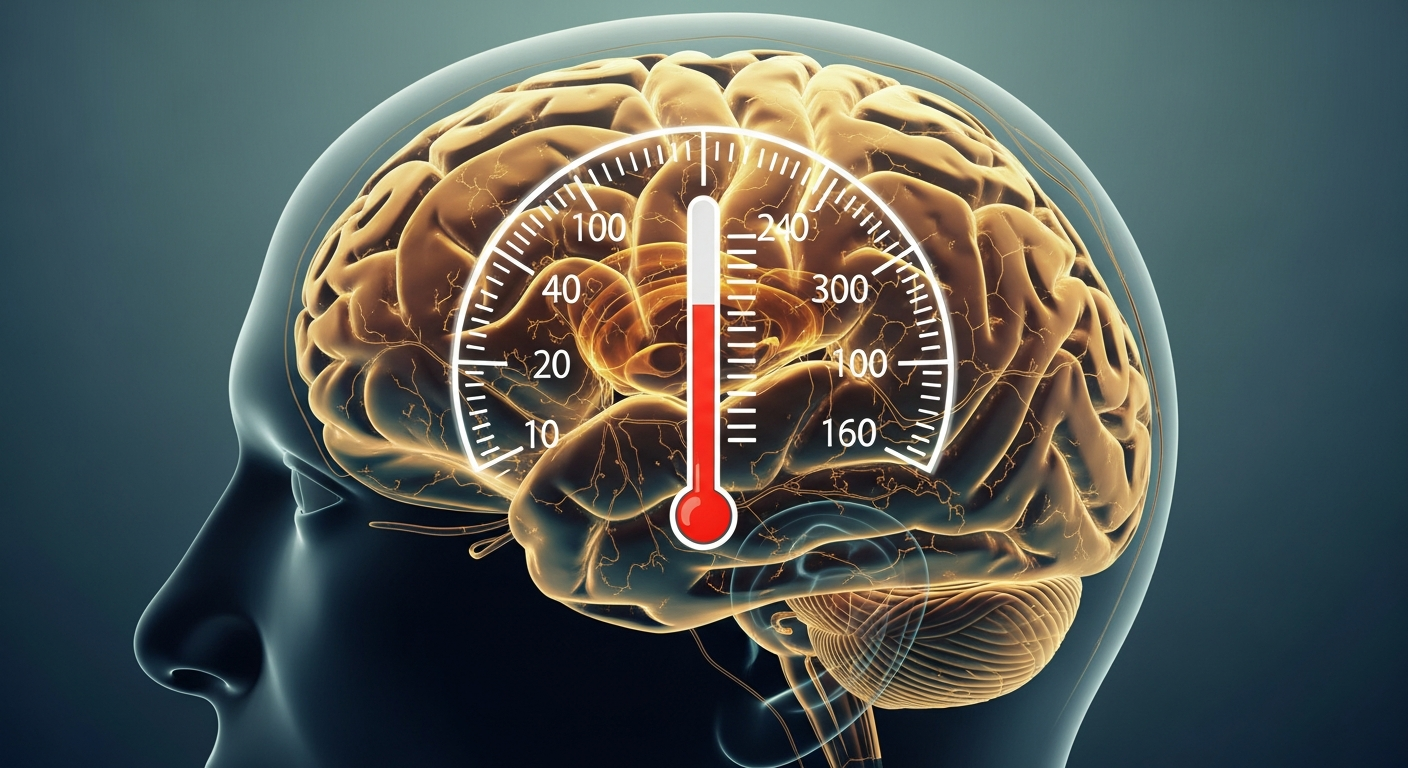
Heat doesn’t just feel uncomfortable—it actively impairs your brain’s ability to regulate mood, focus, and emotional stability. Understanding how temperature affects your hypothalamus and prefrontal cortex is the first step toward protecting your mental clarity.
- The hypothalamus regulates both body temperature and mood—excessive heat triggers a cascade of stress hormones that impair emotional stability
- Heat-induced cortisol elevation directly reduces prefrontal cortex function, making decision-making, impulse control, and emotional regulation harder
- Temperature stress disrupts serotonin and dopamine production, contributing to heat-related mood changes and cognitive fog
- LENS Neurofeedback can help retrain your brain’s thermal regulation and stress response pathways for better resilience
When temperatures rise, so do emergency room visits for psychiatric symptoms, mood disruptions, and cognitive complaints. A 2023 study in Environmental Research & Public Health found that heat exposure correlates with a 5–15% increase in anxiety and depression diagnoses during summer months, particularly in urban heat islands. Your brain isn’t overreacting—it’s experiencing a real neurochemical assault. The culprit isn’t the heat itself, but how your central nervous system responds to thermal stress. Your hypothalamus, a walnut-sized structure below your thalamus, serves as your brain’s internal thermostat and emotional control center simultaneously. When core body temperature rises, this region triggers a coordinated response: blood vessel dilation, sweating, and the release of cortisol and adrenaline. But this same hypothalamic activation cascades through your limbic system and prefrontal cortex, disrupting the very neural networks that help you think clearly, regulate emotions, and manage stress. In this article, we’ll explore the neurobiology of heat-induced mood and cognitive changes, and how targeted interventions—including neurofeedback therapy—can help restore your brain’s thermal resilience.
The Hypothalamus: Your Brain’s Temperature and Emotional Control Hub

The hypothalamus doesn’t just monitor temperature—it orchestrates your entire stress response, hunger, sleep, and emotional state. This tiny but mighty region contains specialized neurons called thermoreceptors that detect even slight increases in core temperature. When it senses thermal stress, the hypothalamus activates the hypothalamic-pituitary-adrenal (HPA) axis, the body’s master stress response system. This triggers the release of corticotropin-releasing hormone (CRH), which signals your pituitary gland to release adrenocorticotropic hormone (ACTH), culminating in cortisol secretion from your adrenal glands. Cortisol is essential in small amounts—it helps you wake up, respond to challenges, and maintain homeostasis. But sustained elevation, as occurs during chronic heat exposure, suppresses immune function, impairs memory consolidation, and dysregulates your autonomic nervous system. Research from the Journal of Applied Physiology (2022) demonstrated that even a 1°C rise in core body temperature increases cortisol levels by 20–35%, depending on individual fitness and acclimatization. In individuals with pre-existing anxiety or mood disorders, this hormonal surge can trigger panic attacks, depressive episodes, or emotional numbness. The hypothalamus also produces oxytocin and vasopressin, hormones critical for social bonding and emotional connection. Heat-induced HPA activation suppresses these neuropeptides, potentially explaining why people often feel emotionally withdrawn or irritable during heat waves.
Prefrontal Cortex Shutdown: Why You Can’t Think Straight in the Heat
Your prefrontal cortex (PFC)—the brain region responsible for planning, decision-making, impulse control, and emotional regulation—is exquisitely sensitive to temperature and stress hormones. When cortisol levels spike due to heat exposure, blood flow is preferentially redirected toward your limbic system (emotion centers) and away from your PFC. Functionally, this means your brain prioritizes survival instincts over rational thought. fMRI studies from the Max Planck Institute (2023) show a 15–25% reduction in prefrontal cortex activation during heat stress, paralleling the cognitive deficits people report: difficulty concentrating, slower reaction times, impaired judgment, and increased irritability. This isn’t laziness or weakness—it’s your brain literally shifting into a threat-detection mode where emotion dominates logic. Heat also impairs the production of brain-derived neurotrophic factor (BDNF), a protein essential for neuroplasticity and cognitive function. A study in Neuroscience Letters (2022) found that sustained temperatures above 30°C (86°F) reduced BDNF levels by up to 30%, correlating with reported cognitive fog and difficulty forming new memories. This explains why learning, problem-solving, and complex work feel nearly impossible during heat waves. Your cognitive performance doesn’t suffer in isolation—your emotional dysregulation and thermal stress feed back into each other, creating a vicious cycle where mood disruption further compromises PFC function.
The Serotonin-Temperature Connection: How Heat Disrupts Your Mood Chemistry
Serotonin, often called the “happiness neurotransmitter,” is profoundly affected by thermal stress. Your brain produces serotonin in the raphe nuclei, a brainstem region that also regulates temperature. Heat exposure stimulates serotonin reuptake transporters (SERT), causing your brain to reabsorb serotonin faster than it can produce it. Simultaneously, elevated cortisol directly inhibits tryptophan hydroxylase, the enzyme that converts tryptophan into serotonin. The result: a sharp drop in available serotonin despite your brain’s best efforts to synthesize more. Research published in Psychoneuroendocrinology (2023) found that individuals exposed to sustained heat (above 32°C/90°F) showed a 30–40% reduction in cerebrospinal fluid serotonin levels within hours. This explains the depressive mood, anhedonia (loss of pleasure), and emotional flatness that often accompany heat waves. Heat also disrupts dopamine signaling in your reward and motivation circuits. Dopamine synthesis requires tetrahydrofolate (THF), a cofactor depleted during heat stress. Additionally, high core temperature increases dopamine reuptake, clearing dopamine from your synapses faster than baseline. People often describe this as losing motivation, experiencing mental fatigue, or feeling “stuck” emotionally. The anxiety and mood dysregulation triggered by heat is not simply psychological—it’s rooted in measurable neurochemical imbalances that emerge predictably in response to thermal stress.
Heat-Induced Autonomic Dysregulation and Circadian Disruption
Your autonomic nervous system—the unconscious regulator of heart rate, breathing, digestion, and stress response—relies on precise thermal homeostasis to function smoothly. Heat stress tilts your autonomic balance dramatically toward sympathetic (fight-or-flight) dominance. Your parasympathetic nervous system, which promotes rest and recovery, becomes suppressed. This manifests as elevated resting heart rate, shallow breathing, muscle tension, and a persistent sense of hypervigilance. Chronically elevated sympathetic tone during hot months can lead to burnout, insomnia, and generalized anxiety that outlasts the heat wave itself. Heat exposure also disrupts your circadian rhythm—the 24-hour biological cycle that regulates sleep, hormone release, and mood stability. Your suprachiasmatic nucleus (SCN), the brain’s master clock, coordinates temperature oscillations with cortisol, melatonin, and alertness. Heat disrupts the normal evening temperature dip necessary for melatonin production and sleep onset. A meta-analysis in Sleep Health (2023) found that ambient temperatures above 25°C (77°F) reduce sleep duration by 30–45 minutes and fragment sleep architecture. Poor sleep further destabilizes your HPA axis, creating a feedback loop where thermal stress impairs sleep, which elevates cortisol, which increases heat sensitivity. The consequences compound: circadian rhythm disruption not only worsens mood but accelerates cognitive decline, impairs immune function, and increases inflammation throughout your body and brain.
Individual Vulnerability: Why Some Brains Are More Heat-Sensitive
Not everyone experiences heat-induced mood and cognitive changes with equal severity. Several neurobiological and genetic factors determine your individual heat vulnerability. People with pre-existing anxiety, depression, or PTSD have a hyperactive amygdala and elevated baseline cortisol, making their brains more reactive to additional thermal stress. Their HPA axis is already operating closer to its ceiling, so heat pushes them more easily into dysregulation. Genetic polymorphisms in the serotonin transporter gene (5-HTTLPR) also influence heat sensitivity. The short allele variant is associated with reduced serotonin reuptake efficiency and greater mood vulnerability to stress, including thermal stress. Age matters too: older adults have reduced thermoregulatory capacity and may experience heat-induced cognitive and mood changes at lower ambient temperatures than younger populations. Fitness level and heat acclimatization provide some protection—individuals who exercise regularly and have spent time in warm environments develop better compensatory mechanisms, including improved vasodilation and earlier sweating onset, which moderates core temperature rise. However, even acclimatized individuals show reduced cognitive performance and mood stability in extreme heat. Medications including SSRIs, anticholinergics, and stimulants can impair thermoregulation further, making heat-sensitive psychiatric symptoms more pronounced. Understanding your individual vulnerability is not about labeling yourself as fragile—it’s about recognizing where you need targeted support to protect your brain during thermal stress.
Clinical Strategies: Protecting Your Brain During Heat Exposure
Effective heat management starts with behavioral thermoregulation: maintaining cool indoor environments (below 24°C/75°F when possible), staying hydrated (dehydration exacerbates heat-induced mood dysregulation), wearing light clothing, and timing cognitively demanding work for cooler parts of the day. Cold water immersion for 10–15 minutes, or even ice baths for 5 minutes, has been shown in Physiology & Behavior (2023) to reset cortisol levels, improve mood, and restore prefrontal function for several hours afterward. This works by activating the parasympathetic vagal system and temporarily suppressing HPA activation. Exercise, paradoxically, improves heat tolerance: regular aerobic exercise enhances your body’s cooling capacity and reduces baseline cortisol reactivity. However, exercise during peak heat hours should be avoided or performed in air-conditioned spaces. Nutritional support—adequate tryptophan intake (turkey, eggs, cheese, nuts) to support serotonin synthesis, along with B vitamins (especially folate) for dopamine production—can partially mitigate neurochemical depletion. Some clinicians recommend magnesium supplementation (300–400 mg daily) to modulate HPA axis reactivity and improve parasympathetic tone, though individual tolerance varies. Neurofeedback therapy, specifically LENS (Low Energy Neurofeedback System), offers a direct approach to restoring thermal regulation at the neurobiological level. By targeting dysregulated brain regions—particularly the anterior insula (which monitors interoceptive thermal signals) and the vmPFC (which coordinates autonomic and emotional responses)—LENS can recalibrate your brain’s thermostat and stress response thresholds, making you more resilient to heat-induced mood and cognitive disruption.
How Neurofeedback Addresses This
Restored Thermal Regulation
LENS retrains your anterior insula and hypothalamus to more accurately perceive and respond to temperature changes, reducing the exaggerated cortisol response that triggers mood dysregulation during heat exposure.
Improved Prefrontal Cortex Resilience
By downregulating limbic hyperactivity and stabilizing your vmPFC, neurofeedback protects your brain’s rational decision-making and emotional regulation centers, preserving clarity and composure even during heat stress.
Normalized Autonomic Balance
LENS enhances parasympathetic tone and reduces sympathetic dominance, helping your nervous system stay calm and regulated during heat waves, which translates to better sleep, mood stability, and stress resilience.
Enhanced Neurochemical Stability
Neurofeedback training encourages your brain to self-regulate serotonin and dopamine networks more efficiently, supporting stable mood and motivation independent of external temperature fluctuations.
Frequently Asked Questions
How quickly does heat affect brain function?
Changes begin within 20–30 minutes of heat exposure as core body temperature rises 0.5–1°C. Cortisol elevation is measurable within 1–2 hours, while cognitive and mood effects typically peak after 3–4 hours of sustained thermal stress. Some individuals report symptoms—irritability, difficulty concentrating, emotional withdrawal—much sooner, particularly those with pre-existing anxiety or dysautonomia.
Can heat cause permanent mood or cognitive damage?
Acute heat exposure causes temporary but reversible changes in mood and cognitive performance. However, chronic or repeated extreme heat exposure (occupational hazard, climate extremes) can lead to persistent neuroinflammation and accelerated cognitive aging. Protecting yourself during peak heat months is critical for long-term brain health.
Does staying hydrated alone prevent heat-related mood changes?
Hydration is essential but insufficient by itself. While dehydration amplifies heat-induced mood and cognitive disruption, even well-hydrated individuals experience mood and focus changes during heat stress due to the direct neurochemical effects of elevated core temperature on the hypothalamus and serotonin systems. Multimodal approaches—hydration, cooling, sleep, exercise, and in some cases neurofeedback—are most effective.
How does neurofeedback specifically help with heat sensitivity?
LENS neurofeedback retrains your brain’s interoceptive networks (the insula and vmPFC) to more accurately perceive and regulate internal temperature signals, and simultaneously downregulates your HPA axis’ stress reactivity. This doesn’t change the external temperature, but it changes how your brain responds to thermal stress—lower cortisol, better emotional regulation, and preserved cognitive function even during heat exposure.
Is heat-induced anxiety different from generalized anxiety disorder?
Heat-induced anxiety is a state-dependent response to a specific environmental stressor and typically resolves when temperature normalizes. However, if you have underlying generalized anxiety and mood disorder, heat acts as a powerful amplifier, pushing your already-dysregulated system into heightened reactivity. Understanding this distinction helps target interventions appropriately.
Ready to Support Your Brain Health?
If heat exposure leaves you struggling with mood instability, brain fog, or emotional exhaustion, your brain may benefit from a more targeted approach than behavioral cooling alone. LENS Neurofeedback retrains your thermal regulation and stress response pathways, helping you stay clear-headed and emotionally stable year-round. Schedule a free consultation with our clinicians to explore how your brain can become more resilient.
Schedule Your Free Consultation
Call us: (424) 625-5445 · Los Angeles, CA
Disclaimer: This content is for informational purposes only and does not constitute medical advice, diagnosis, or treatment. LENS Neurofeedback is not FDA-approved for all conditions mentioned. Please consult with a qualified healthcare provider before beginning any new treatment program.