

The Nervous System’s Role in Focus, Calm, and Performance
How Neural Regulation Underlies Optimal Brain Function and Well-Being
📑 Table of Contents
- Understanding Neural Regulation
- The Autonomic Nervous System Explained
- Neural Mechanisms of Focus
- How the Brain Creates Calm
- Performance Optimization Through Regulation
- LENS Neurofeedback and Brain Balance
- Scientific Research and Evidence
- Practical Applications
- The NeuroBalance Approach
- Frequently Asked Questions
- Your Path Forward
Your nervous system acts as the master conductor of your body’s symphony, orchestrating everything from your ability to focus on a task to your capacity for feeling calm under pressure.
This intricate network includes the central nervous system (brain and spinal cord), the peripheral nervous system (connecting to the rest of the body), and the autonomic nervous system which controls automatic processes like breathing, heart rate, and stress responses.
Modern research reveals that optimal performance—whether mental, physical, or emotional—depends on your nervous system’s ability to regulate itself effectively.
In 2025, emerging trends such as advancements in neurotechnology, precision medicine, and integrative neuroscience approaches are reshaping our understanding of brain function and dysfunction.
This regulation determines whether you feel sharp and focused or scattered and overwhelmed, calm and centered or anxious and reactive.
⚕️ Important Medical Disclaimer:
The information provided is for educational purposes only and is not intended as medical advice, diagnosis, or treatment. LENS neurofeedback is a wellness modality NOT intended to diagnose, treat, cure, or prevent any disease. Always consult a qualified healthcare professional before beginning any wellness program. Individual results vary. NeuroBalance does not provide medical services.
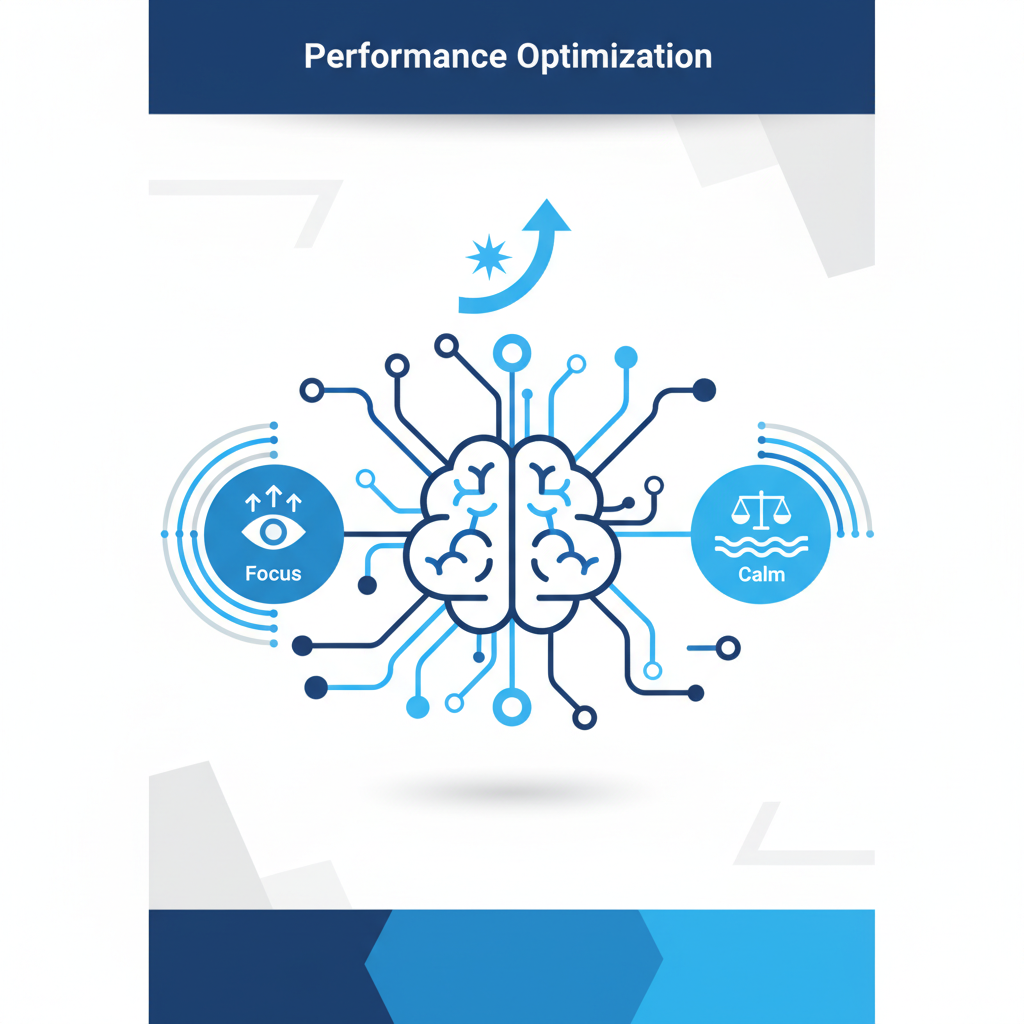
Understanding Neural Regulation and Brain Function
Neural regulation refers to your brain’s ability to maintain optimal function across varying demands and circumstances.
The human brain is comprised of approximately 80-100 billion brain cells, called neurons. These neurons interrelate and communicate via electrical signals with one another at junctions called synapses. It is our best guess as scientists, that the pattern of synaptic connections that form in the brain, lends significantly to the emergence of specific brain states, which in-turn account for our most-human of attributes: learning, personality, behavior, pain, emotion, cognition and the list continues.
When your nervous system is well-regulated, you experience what researchers call “optimal arousal”—a state where you’re alert but not anxious, focused but not rigid, calm but not sluggish. This balance is crucial for peak performance in any domain. Our peak performance neurofeedback programs are specifically designed to help clients achieve and maintain this optimal state.
🧠 Key Research Insight:
The culmination of these brain states and patterns of neural firing produce measurable electrical wave patterns called brain-waves.
These brainwave patterns directly influence your ability to focus, feel calm, and perform at your best.
The Autonomic Nervous System: Your Body’s Control Center
At the heart of nervous system regulation lies the autonomic nervous system (ANS), which operates like a sophisticated control system with two primary branches working in harmony:
The Sympathetic Nervous System: Your “Gas Pedal”
Often referred to as the “fight or flight” response, this system kicks in when we perceive a threat, whether it’s a real danger or just a stressful situation. Our heart rate increases, our breathing quickens, and our senses sharpen to prepare us for action.
While essential for survival and peak performance moments, chronic sympathetic activation can lead to anxiety, poor focus, and burnout.
Right now, there are many things causing people stress that are neurological or psychological in nature, that are making the body feel like it’s fight-or-flight time. Standing up in front of a room for a presentation, missing a Zoom call, a late train that makes you late for work—all of that creates chaos in your sympathetic nervous system, causing the body to feel like it’s in danger. That high level of stress keeps your heart rate elevated, dilates your pupils, raises your blood pressure and keeps everything in your body on high alert.
The Parasympathetic Nervous System: Your “Brake Pedal”
This is the “rest and digest” part of the nervous system. It helps our body recover after a stressful event and promotes relaxation, digestion and sleep. Ideally, these two systems work in harmony.
The parasympathetic nervous system does something called downregulating. It mainly functions using a nerve called the vagus nerve, which sends impulses from the brain to the body but also back from the body to the brain. In essence, your parasympathetic nervous system tells your brain what’s happening, instead of your brain telling your body what to do.
The anxiety treatment approaches we use at NeuroBalance focus specifically on helping clients strengthen their parasympathetic response while reducing sympathetic overactivation.
Neural Mechanisms Behind Focus and Attention
Focus isn’t just about willpower—it’s a complex neurological process involving multiple brain networks working in coordination.
Research indicates that LENS Neurofeedback can promote better attention, memory, and problem-solving abilities by optimizing brainwave patterns associated with these cognitive functions. A study published in the Journal of Neurotherapy found that participants who underwent LENS Neurofeedback experienced significant improvements in attention and executive functioning. These improvements persisted long after the treatment had concluded, suggesting that LENS Neurofeedback can lead to lasting changes in cognitive performance.
When your nervous system is dysregulated, focus becomes fragmented and scattered.
Many individuals who struggle with conditions like anxiety, depression, or ADHD report experiencing “mental fog”—a state of diminished mental clarity and focus. LENS Neurofeedback helps to alleviate this by promoting balanced brainwave activity, which supports clearer thinking and better decision-making.
Our ADHD neurofeedback programs specifically target the brain networks responsible for sustained attention and executive function, helping clients experience improved focus without the side effects of medication.
📍 NeuroBalance Los Angeles
Located in Mar Vista, serving clients throughout Southern California. Home visits also available.
4029 Alla Road, Los Angeles, CA 90066 • 424.625.5445
How Your Brain Creates and Maintains Calm
True calm isn’t the absence of activity—it’s the presence of regulation.
The vagus nerve is a key part of the parasympathetic nervous system. Our vagus nerve is the longest nerve in the body. It connects our brain to many essential organs throughout our body, such as the gut (intestines, stomach), heart, and lungs. The vagus nerve is a key part of the parasympathetic “rest and digest” nervous system. The parasympathetic nervous system influences our breathing, digestive function, and heart rate, which are essential for our mental health and wellness.
The concept of “vagal tone” is crucial for understanding calm states.
The “tone” of the vagus nerve is what we need to pay special attention to as it represents the activity of the vagus nerve. Increasing your vagal tone activates the parasympathetic nervous system. The vagal tone is evaluated by heart rate variability (HRV), a marker of the sympathovagal balance (stability of inputs from sympathetic and parasympathetic).
Emotional regulation is a critical aspect of mental health, and LENS Neurofeedback has been shown to have a profound impact in this area. By resetting dysfunctional brainwave patterns, LENS Neurofeedback helps to stabilize mood swings and reduce symptoms of anxiety and depression. This stabilization is not just a short-term effect; many clients experience sustained emotional balance long after their sessions are complete.
Our depression support programs focus on rebuilding these natural regulation pathways.
Performance Optimization Through Neural Regulation
Peak performance occurs in a specific zone of nervous system activation—what researchers call the “optimal arousal zone.” Too little activation leads to sluggishness and lack of focus; too much leads to anxiety and overwhelm. The key is finding and maintaining that sweet spot where you’re energized but calm, focused but flexible.
Exercise increases endorphins, the happy hormones. Those happy hormones signal your body that you’re not in physical danger. When you’re exercising, the sympathetic nervous system is working and helping to elevate your heart rate, but the parasympathetic nervous system is regulating how high your heart rate goes.
This demonstrates the dynamic balance required for optimal performance.
⚡ Performance Insight:
Low Energy Neurofeedback (LENS), works by reading these brain waves and generating a customized correlation of electrical signals back to the brain. This “feedback” is understood to cause adaptive disruptions to patterns of neural-firing and may induce healthier, more plastic, brain states according to emerging evidence over the last two decades.
LENS Neurofeedback: How It Works to Restore Brain Balance
After an average of only 20 treatments, LENS neurofeedback therapy shows a remarkable 50% improvement in symptom ratings, with rapid improvements appearing in the first five to six sessions
. This groundbreaking technology works by sending
an imperceptible electromagnetic signal—just 1/300th of what a cell phone emits—precisely timed to your brain’s natural patterns
.
The Science Behind LENS Technology
LENS is a form of direct neurofeedback that allows the brain to reset itself for optimal performance, training in self-regulation that allows the nervous system to function more adaptively
. Unlike traditional neurofeedback where you actively try to change your brainwaves, LENS neurofeedback therapy works passively.
💡 How LENS Disrupts Dysfunction:
LENS effectively disrupts old neural connectivity patterns that cause dysfunction and resets them for much faster and lasting results by “dis-entraining” the brain from its frozen maladaptive states
. Think of it as bringing your brain back to its factory settings.
Real-Time Brain Feedback
The LENS software program adapts in real-time to what is most appealing to your specific brain, reading data just milliseconds before and making proper adjustments in frequencies to the specific area of the brain in need
. This personalized approach ensures each session is tailored to your unique neural patterns.
During your initial consultation, we map your brain’s electrical activity to identify areas of dysregulation.
This biochemical change assists the brain to self-adjust to a more optimal state, with each following session reinforcing balance and encouraging better communication of new neural connections
.
What Happens During a Session
Sessions are brief (usually 3-5 minutes), gentle (usually the client feels nothing during the session), and the changes are lasting
. You simply relax while sensors placed on your scalp read your brain’s electrical activity.
Each session lasts about 20-30 minutes, and you don’t need to do or say anything—it’s the difference between resetting the brain and nervous system instead of training it
.
💬 What Clients Share:
“Since starting LENS therapy I have had remarkable changes in only 2 months!!” – Heidi Irene, verified client review
Scientific Research and Clinical Evidence
Over 85% of people who have used LENS have benefited significantly from it, with results that can be seen quickly, often beginning within the first session, and are lasting
. The research supporting LENS neurofeedback continues to grow as neuroscientists better understand how brain training promotes neuroplasticity.
Landmark Stone Mountain Study
The pivotal Stone Mountain Center study tracked 100 patients receiving LENS treatment, finding that after an average of only 20 treatments, the mean symptom ratings declined from 7.92 to 3.96—a 50% improvement
. Equally significant was the objective brain changes measured by EEG.
📊 Key Research Findings:
The study showed a significant drop in EEG amplitude at the highest amplitude electrode site, with a high correlation between symptom improvement and brain wave changes
. This demonstrates that LENS produces measurable neurological improvements, not just subjective relief.
Neuroplasticity and Brain Imaging Evidence
Recent studies published in Brain Injury Journal using MEG brain imaging have documented, for the first time, neuroimaging-based evidence of treatment effects on brain functioning in mild traumatic brain injury
. This research provides visual proof that neurofeedback for TBI recovery produces actual brain changes.
Low Energy Neurofeedback generates customized electrical signals back to the brain, causing adaptive disruptions to patterns of neural-firing that may induce healthier, more plastic brain states
.
Neuroplasticity is the process by which synapses change connectivity patterns—by strengthening, weakening, forming or being eliminated—and LENS catalyzes this process passively
.
Safety Profile and Development History
There have been no reported adverse events with LENS since its creation 30 years ago
. Developed by Len Ochs, Ph.D. in the 1990s, LENS has been refined through decades of clinical use and research.
| Research Area | Key Findings | Clinical Significance |
|---|---|---|
| Stone Mountain Study (100 patients) | 50% symptom improvement in 20 sessions | Rapid, measurable relief across conditions |
| Brain Imaging Studies | Visible brain changes on MEG scans | Objective proof of neurological improvement |
| Safety Research | Zero adverse events in 30 years | Exceptional safety for all ages |
| Heart Rate Variability | Enhanced parasympathetic regulation | Better stress resilience and recovery |
Conditions That Benefit from Neural Regulation
LENS works well with symptoms of central nervous system dysfunction, including ADD, ADHD, seizures, severely disruptive behavior disorders, autistic spectrum disorders, cerebral palsy, concussive injuries, PTSD, acquired brain injury, and birth trauma
. The common thread among all these conditions is nervous system dysregulation.
Mental Health and Emotional Regulation
In just a few sessions, clients often experience better focus, increased energy and improved mood, with anxiety and depression symptoms lifting and insomniacs beginning to sleep
. Our neurofeedback for anxiety program specifically targets the brain patterns underlying anxious thoughts and physical tension.
The vagus nerve, central to the parasympathetic nervous system, plays a crucial role in emotional regulation.
Heart rate variability is a non-invasive biomarker of vagal tone and autonomic flexibility, with reduced HRV associated with cardiovascular diseases, hypertension, inflammation and mental health disorders
. Depression support through LENS helps restore this natural balance.
Attention and Learning Challenges
Children and teens with ADD or ADHD can focus better after LENS treatment
. Our ADHD treatment approach targets the specific brain regions responsible for attention, impulse control, and executive function.
💡 Understanding Attention Regulation:
Recent neurofeedback research shows that athletes can be trained to self-regulate their brain functions, particularly theta waves of the medial frontal region associated with cognitive and attentional control
. This same principle applies to improving focus in daily life.
Many small children who struggle with or could not do traditional neurofeedback can easily be treated with LENS, producing the fastest results
. This makes LENS particularly valuable for autism spectrum support where traditional approaches may be challenging.
Trauma Recovery and PTSD
LENS works extremely well with symptoms of traumatic brain injury, no matter how long ago the incident occurred, whether from a physical blow, concussive injury, psychological incident (PTSD), or any other incident resulting in decreased cognitive ability
.
Recent research on patients with PTSD shows that vagus nerve stimulation attenuated stress-evoked sympathetic responses, including reducing the surge in heart rate and peripheral vascular resistance during traumatic stress exposure, effectively promoting an acute parasympathetic shift
. Our PTSD treatment program leverages these same nervous system pathways.
Performance Enhancement and Peak States
Athletes perform better and artists create more effectively after LENS treatment
.
LENS is recommended for improving general functioning, athletic performance, clarity of thinking, energy level, motivation and focus, and can enhance your progress in therapy, meditation or spiritual practices
.
💬 Peak Performance Experience:
“I was astounded by the power and effectiveness of the LENS. I use it both alone and in conjunction with psychotherapy with uniformly positive results. I love the increased therapeutic effectiveness that the LENS offers.” – Licensed practitioner testimonial
⚕️ Important Note:
LENS neurofeedback supports brain regulation and function but is not a treatment for any specific medical condition. Individual results vary and may not be typical. Always consult your healthcare provider about any symptoms or conditions you may have.
The NeuroBalance Difference
At MYNeuroBalance, Jon S. Haupers brings over 12 years of specialized experience in LENS neurofeedback therapy to Los Angeles.
As one of the practitioners trained directly by Len Ochs, Ph.D., the creator of LENS technology
, Jon has witnessed firsthand the remarkable results that proper brain regulation can achieve.
Personalized Assessment and Treatment Planning
Every client begins with a comprehensive assessment that includes detailed health history and initial brain mapping.
We assess your central nervous system in an initial evaluation because we are all wired and heal differently
. This personalized approach ensures your treatment plan addresses your specific patterns of nervous system dysregulation.
Our cognitive rehabilitation programs complement LENS therapy when additional support for memory, attention, or executive function is needed. We also offer PBM therapy to further enhance brain health through targeted light therapy.
Integrative Approach to Brain Health
Understanding that optimal brain function depends on multiple factors, we address:
Neural Regulation
Optimizing brainwave patterns and neural connectivity through LENS
Nervous System Balance
Supporting both sympathetic and parasympathetic function
Lifestyle Factors
Addressing sleep, stress, and environmental influences
Convenient Los Angeles Locations
Located at 4029 Alla Road in Los Angeles, we serve clients throughout the greater LA area including Santa Monica, Beverly Hills, Venice, and Westwood.
Commitment to Excellence and Results
The average number of sessions to achieve optimal brain functioning is generally between 15-20, with many clients experiencing rapid relief even after just a few sessions
. More than 90% of our Los Angeles clients report feeling noticeable improvements that last.
We maintain the highest standards of care through continuous education in the latest neurofeedback research and techniques. Our commitment extends beyond the session room—we provide ongoing support and guidance as your nervous system continues to strengthen and stabilize.
📊 Our Results Track Record:
Over 12 years of practice with more than 90% of clients experiencing lasting improvements. Our focus on precise brain mapping and individualized protocols ensures optimal outcomes for each person’s unique nervous system patterns.
Ready to experience the benefits of optimized nervous system function? Our frequently asked questions page addresses common concerns, and you can easily schedule your free 15-minute consultation to learn how LENS neurofeedback therapy can support your unique brain health goals.
Practical Ways to Support Nervous System Regulation
Understanding how to support your nervous system is one of the most valuable skills you can develop.
Consistent sleep, nourishing food, and regular movement are the absolute non-negotiables for this kind of resilience, promoting a state of greater calm, clarity, happiness and resilience.
The good news is that effective regulation doesn’t have to be complicated or time-consuming.
### Daily Foundation Practices
**Breathing and Breathwork**
One of the most notable clinical approaches includes the practice of deep breathing or diaphragmatic breathing exercises designed to increase vagal tone and heart rate variability. Such techniques can evoke a relaxation response, shifting the balance away from sympathetic dominance towards a more restorative parasympathetic state.
Try the 4-4-4 breathing technique: breathe in for 4 counts, hold for 4, exhale for 4. This simple practice can be done anywhere and helps activate your body’s natural relaxation response.
**Movement and Exercise**
Regular physical activity is a powerful way to release built-up stress and improve your nervous system’s resilience. Aim for at least 10 minutes of exercise daily to break a sweat and release endorphins. Regular exercise supports both greater emotional balance and higher HRV.
You don’t need intense workouts—gentle stretching, walking, or yoga can be equally effective for nervous system support.
**Mindful Stillness**
Incorporating a stillness practice into your daily routine can help calm your nervous system. This can include activities like meditation, deep breathing, or gentle stretching. Aim for at least 10 minutes of stillness each day.
**Social Connection and Play**
Engaging in playful social activities can help balance your nervous system by mixing activation with relaxation. Activities like team sports, creative hobbies, or simply spending time with loved ones can be incredibly beneficial.
### Vagus Nerve Stimulation Techniques
The vagus nerve plays a central role in nervous system regulation.
Vagus nerve stimulation activates the parasympathetic nervous system — the part responsible for relaxation and recovery. This process helps manage stress by counteracting the “fight or flight” response and restoring balance.
Natural vagus nerve stimulation methods include:
– **Deep breathing exercises**
– **Humming, singing, or gentle gargling**
– **Cold water exposure** (splash cold water on your face or take a brief cool shower)
– **Gentle neck massage**
– **Laughter and social connection**
You can stimulate the vagus nerve naturally through deep breathing, humming or singing, cold water exposure on your face, gentle neck massage, and laughing. These practices calm neural pathways, lower anxiety, and build emotional resilience.
### Grounding Techniques
When anxiety or overwhelm strikes, grounding techniques help you reconnect with the present moment.
Grounding techniques calm the mind and reconnect you to the present moment. These methods are especially helpful during stress, anxiety, or emotional overwhelm by using sensory awareness to bring focus back to your body.
The 5-4-3-2-1 technique is particularly effective:
– Name 5 things you can see
– Name 4 things you can touch
– Name 3 things you can hear
– Name 2 things you can smell
– Name 1 thing you can taste
### Self-Compression and Touch
Self-compression is a simple, tactile way to calm your nervous system and reduce feelings of stress or overwhelm. This practice involves using gentle pressure—like hugging yourself, squeezing your arms or legs, or wrapping up in a favorite blanket—to trigger the release of “DOSE” chemicals: dopamine, oxytocin, serotonin, and endorphins.
### The Butterfly Hug Technique
The Butterfly Hug is a powerful technique to regulate the nervous system and restore calm in less than two minutes. By using bilateral stimulation—alternating gentle taps across the chest—this practice helps activate the parasympathetic nervous system, the branch responsible for rest, recovery, and relaxation.
### Nutritional Support
What you eat and drink profoundly affects your nervous system. Aim for a diet rich in whole foods, with plenty of vegetables and fruits, lean proteins, and healthy fats. Try to avoid high amounts of caffeine, sugar and alcohol, which can aggravate anxiety and dysregulation. Staying hydrated is also important.
Consider foods rich in magnesium (leafy greens, nuts) and omega-3 fatty acids (salmon, flaxseed) which support brain health and nervous system function.
### Progressive Relaxation
The body holds memories and stress patterns affecting daily functioning. Therapies like massage, breathwork, and somatic experiencing help release stored tension, allowing the nervous system to reset. By integrating body-based therapy with emotional processing, this approach provides comprehensive healing.
Try progressive muscle relaxation: systematically tense and release muscle groups from head to toe, helping your body learn the difference between tension and relaxation.
## Building Your Personal Toolkit
Many people experience a significant reduction in stress within just one week of using nervous system regulation techniques. Consistency is key for lasting results – but this can happen as fast as six weeks.
Start small and build gradually. Choose one or two techniques that resonate with you and practice them consistently for a week before adding others. Remember, what works for others might not work for you, so experiment to find your personal combination of effective practices.
Signs Your Nervous System Needs Support
Recognizing when your nervous system is struggling is crucial for maintaining optimal health and performance.
A chronically dysregulated nervous system can lead to both physical and mental symptoms. Here’s what to look out for.
Understanding these signs can help you take proactive steps before small imbalances become significant challenges.
### Physical Warning Signs
**Energy and Sleep Disruption**
When dysregulated, these processes can be disrupted, resulting in physical symptoms such as: Chronic Fatigue: Persistent exhaustion that isn’t relieved by rest or sleep. Headaches or Migraines: Stress and tension can trigger recurring headaches.
You might notice feeling “tired but wired”—exhausted yet unable to fall asleep or stay asleep throughout the night.
Sleep is when our nervous system repairs itself. Aim for a consistent sleep schedule and 7–9 hours of sleep per night. Practice good sleep hygiene: a dark, cool room, no screen exposure before bed, and a calming routine.
**Muscle Tension and Physical Discomfort**
Muscle Tension You frequently experience tight and sore muscles. Muscle tension involves the constant contraction of muscles, often leading to stiffness, aches and pain, particularly in areas prone to stress.
Pay attention to chronic tension in your neck, shoulders, jaw, or back—areas that commonly hold stress when your nervous system is overactivated.
**Digestive Issues**
Digestive issues like stomachaches or nausea can be triggered by stress-induced changes in digestion and gut function. The gut-brain connection plays a significant role in these symptoms as chronic stress also can disrupt normal digestive processes.
Your digestive system is directly connected to your nervous system through the vagus nerve, so changes in digestion often reflect nervous system imbalances.
**Heightened Sensory Sensitivity**
Some common signs that may indicate nervous system dysregulation include: heightened sensitivity to noise, light, or other sensory input · difficulty managing emotional responses or mood changes.
You might find yourself more sensitive to bright lights, loud sounds, or feeling overwhelmed in crowded spaces.
### Emotional and Mental Warning Signs
**Mood Regulation Challenges**
Depression, anxiety, a feeling of depletion, irritability, overreactions (e.g. tantrums), underreactions (e.g. shutting down), or having difficulty shifting out of negative moods all may be signs of a dysregulated nervous system.
**Anxiety and Hypervigilance**
Signs include hyperarousal (anxiety, feeling overwhelmed, irritability) or hypoarousal (numbness, disconnection, fatigue). These become a problem when they’re persistent rather than temporary.
Heightened anxiety (constant worry, fear, or hypervigilance often accompanied with a racing heart) Feelings of depression or hopelessness (especially in a “shutdown” state).
**Cognitive Symptoms**
Cognitive symptoms can have a significant impact on daily life, making it difficult to focus, remember important information, or even carry out simple tasks. One common cognitive symptom is racing thoughts, where the mind feels overwhelmed with a constant stream of ideas and worries. This can make it challenging to concentrate on one task at a time and can lead to feelings of frustration and overwhelm. Difficulty concentrating is another cognitive symptom of nervous system dysregulation.
### Behavioral Changes
**Social Withdrawal or Overwhelm**
Rapid changes in mood: shifting from happiness to sadness abruptly. Emotional sensitivity: overreacting to minor events. Physical symptoms: headaches, fatigue, and digestive issues. Behavioral changes: withdrawing from social situations or engaging in risky behaviors.
**Difficulty with Routine Tasks**
When your nervous system is dysregulated, tasks that usually feel manageable can seem overwhelming. You might notice procrastination, difficulty making decisions, or feeling “stuck” in daily activities.
### Two Main Patterns of Dysregulation
**Hyperarousal (Fight or Flight Stuck “On”)**
Hyperarousal refers to an increased fight or flight response, including feelings of anger, impulsivity, racing thoughts, and defensiveness.
Signs include:
– Feeling constantly “on edge” or alert
– Racing thoughts and worry
– Difficulty slowing down or relaxing
– Irritability or quick anger
– Sleep difficulties despite exhaustion
**Hypoarousal (Shutdown State)**
With hypoarousal, there is decreased responsiveness and a freeze or fawn behavioral response. With this state, people experience numbness, increased depressive moods, impaired cognitive processing, and shutting down.
An underactive, dysregulated nervous system can present different symptoms, such as low energy levels, sluggishness and reduced motivation. This can also lead to struggles with focus and attention, feeling lethargic, or being disconnected.
Signs include:
– Feeling disconnected or “numb”
– Low energy and motivation
– Difficulty feeling emotions
– Brain fog and concentration problems
– Feeling like you’re “going through the motions”
### When to Seek Professional Support
If symptoms interfere with daily life, seek professional help. You’ll skew toward chronic dysregulation when one or more of these symptoms become a frequent, persistent, or baseline response.
Consider professional support when:
– Symptoms persist despite self-care efforts
– Daily functioning becomes significantly impacted
– You feel unsafe or have thoughts of self-harm
– Sleep or eating patterns are severely disrupted
– Relationships are suffering due to emotional regulation challenges
At NeuroBalance, we specialize in helping people recognize and address nervous system dysregulation through LENS neurofeedback therapy. Our gentle, non-invasive approach helps your brain naturally restore its optimal functioning patterns.
### Early Intervention Makes a Difference
Understanding the signs of a dysregulated nervous system is the first step toward a healthier, more balanced life. By recognizing these indicators early and incorporating self-care practices, you can significantly reduce stress and enhance your overall well-being.
Remember that these signs exist on a spectrum. Everyone experiences occasional stress responses, but when patterns become persistent or interfere with your quality of life, it’s time to take action. Whether through professional neurofeedback support, lifestyle changes, or therapeutic interventions, help is available.
Frequently Asked Questions
What is the connection between the nervous system and focus, calm, and performance?
Your nervous system acts as your body’s command center, directly influencing your ability to focus, feel calm, and perform at your best. When your nervous system is balanced, you can easily shift between states of alert focus and relaxed calm as needed. However, when dysregulated, you might feel stuck in fight-or-flight mode (anxiety, racing thoughts) or shutdown mode (brain fog, fatigue), making optimal performance difficult to achieve.
Note: Individual experiences vary. This information is educational and not intended as medical advice.
How does LENS neurofeedback help with nervous system regulation?
LENS neurofeedback works by providing gentle feedback to your brain about its current activity patterns, helping it naturally reorganize and find better balance. Unlike traditional neurofeedback, LENS doesn’t require conscious effort—your brain does the work automatically. This helps restore healthy nervous system regulation, often leading to improved focus, reduced anxiety, and better emotional balance.
Note: Results may vary. Consult with our practitioners to determine if LENS neurofeedback is appropriate for your situation.
What conditions commonly benefit from nervous system regulation support?
People often seek nervous system regulation support for various concerns including anxiety, ADHD/focus challenges, depression, PTSD, traumatic brain injury, chronic stress, sleep issues, and performance optimization. These conditions often share an underlying nervous system dysregulation component.
Note: LENS neurofeedback is not intended to diagnose, treat, cure, or prevent any disease. Individual results may vary.
How long does it take to see improvements in nervous system regulation?
Many people notice some changes within the first few sessions of LENS neurofeedback, with more than 90% of our Los Angeles clients reporting noticeable improvements within 5-10 sessions. However, lasting changes typically develop over 15-25 sessions. The timeline varies based on individual factors like the complexity of concerns, stress levels, and how long symptoms have been present.
Note: Individual timelines vary significantly. This information reflects typical experiences and is not guaranteed for all individuals.
What happens during a typical LENS neurofeedback session?
A LENS session is brief and comfortable, lasting about 15-20 minutes. We place small sensors on your scalp to read your brainwave activity, then deliver very gentle electromagnetic pulses back to specific brain areas. You simply relax—no conscious effort is required. Many people find the sessions calming and some even fall asleep, which is perfectly fine.
Note: This is educational information about our process. Consult our practitioners for personalized session details.
Can I practice nervous system regulation techniques at home?
Absolutely! Many effective techniques can be practiced at home, including deep breathing exercises, vagus nerve stimulation (like cold water on your face or humming), gentle movement, mindfulness practices, and grounding techniques. These complement professional neurofeedback beautifully and help maintain the improvements between sessions. We provide personalized recommendations based on your specific needs.
Note: Home practices support but don’t replace professional care when significant dysregulation is present.
Is LENS neurofeedback safe for all ages?
LENS neurofeedback is considered very safe and gentle. The signals used are extremely low-energy—much weaker than what you’re exposed to from cell phones or other everyday electronics. It’s been used successfully with children, adults, and seniors. However, we always conduct a thorough initial consultation to ensure it’s appropriate for your specific situation and health history.
Note: Safety considerations are assessed individually. Always discuss your health history with practitioners before beginning any new therapy.
How do I know if my nervous system needs regulation support?
Common signs include feeling constantly “on edge” or overly alert, difficulty relaxing or sleeping, brain fog and concentration problems, emotional reactivity, chronic fatigue, frequent mood swings, or feeling disconnected and numb. Physical symptoms like muscle tension, digestive issues, or heightened sensitivity to light and sound can also indicate nervous system dysregulation. If these symptoms persist and impact your daily life, professional support can be very helpful.
Note: These symptoms can have multiple causes. Professional evaluation is recommended for proper assessment.
Do you offer services throughout Los Angeles?
Yes, we serve clients throughout the Los Angeles area from our location in West LA. We also provide in-home sessions in Santa Monica, Beverly Hills, Venice, and other nearby communities. Contact us to discuss the best service option for your location and needs.
Note: Service availability varies by location. Contact us to confirm coverage in your area.
How do I get started with NeuroBalance?
Getting started is simple. We begin with a free 15-minute phone consultation to discuss your concerns and determine if LENS neurofeedback might be a good fit. If so, we’ll schedule an initial assessment where we map your brainwave patterns and create a personalized treatment plan. You can reach us at (424) 625-5445 or through our online scheduling system.
Note: Initial consultation helps determine appropriateness of services but does not guarantee treatment outcomes.
Your Path to Better Brain Balance
Understanding the nervous system’s role in focus, calm, and performance opens the door to profound improvements in your daily life.
By promoting emotional stability, cognitive clarity and social connection, a well-regulated nervous system plays a vital role in improving overall quality of life. Whether through self-regulation techniques or professional guidance, the journey to a regulated nervous system is one of empowerment and growth.
### The Foundation of Lasting Change
Your nervous system is remarkably adaptable—a quality known as neuroplasticity. This means that with consistent support and the right interventions, your brain can develop new, healthier patterns of regulation.
Building long-term resilience—the kind that sticks—is an ongoing practice. Think of it like building muscle at the gym; you don’t get strong overnight. Creating a new baseline of calm often takes several weeks or months of consistent effort. The real goal isn’t a quick fix but integrating small, regular regulatory habits into your daily life for lasting change.
The journey toward better nervous system regulation often involves a combination of approaches:
**Daily Self-Care Practices**
– Consistent sleep schedule and good sleep hygiene
– Regular movement and exercise
– Breathing techniques and mindfulness
– Nutritional support with whole foods
– Social connection and meaningful relationships
**Professional Support When Needed**
– LENS neurofeedback therapy for direct brain training
– Therapy to address underlying trauma or stress patterns
– Medical evaluation if physical symptoms persist
– Cognitive rehabilitation for cognitive enhancement
### Why Many People Choose NeuroBalance
At NeuroBalance, we’ve witnessed countless transformations over our 12+ years of practice. More than 90% of our clients report noticeable improvements in focus, calm, and emotional regulation within just a few sessions. Our Jon S. Haupers, certified LENS specialist trained directly by the technology’s creator, brings deep expertise to every session.
What sets our approach apart:
– **Gentle, non-invasive technology** that works with your brain’s natural healing abilities
– **Personalized treatment plans** based on your unique brainwave patterns
– **Comprehensive support** for anxiety, ADHD, PTSD, depression, TBI, and performance optimization
– **Flexible service options** including in-home sessions throughout Los Angeles
### Taking Your First Step
Awareness is the first step in finding relief, and you’re already there. From here, there are quick and simple techniques that can calm your nervous system quickly, along with practices that, over time, help your body and mind return to balance more easily.
Whether you’re dealing with chronic stress, seeking peak performance optimization, or supporting a loved one with focus challenges, the path forward begins with understanding your current nervous system patterns.
🌱 Ready to Explore Your Options?
Start with a free 15-minute consultation to discuss your goals and learn how LENS neurofeedback might support your journey. You can also explore our client success stories or frequently asked questions for more information.
### The Bigger Picture
Remember that nervous system regulation isn’t just about addressing current challenges—it’s about building resilience for life’s inevitable stresses and unlocking your full potential.
When it’s balanced, you feel calm, focused, and resilient. However, chronic stress can dysregulate your nervous system, leading to symptoms like anxiety, depression, fatigue, and even chronic pain. A balanced nervous system is better prepared to handle stress and challenges.
When your nervous system functions optimally, you experience:
– **Enhanced focus and cognitive clarity**
– **Natural emotional balance and resilience**
– **Better stress recovery and adaptation**
– **Improved relationships and social connection**
– **Greater access to creativity and innovation**
– **Increased enjoyment in daily activities**
Ready to Support Your Nervous System?
Take the first step toward better focus, calm, and performance. Schedule a free consultation to learn if LENS neurofeedback might be right for you.
📞 (424) 625-5445 | ✉️ [email protected]
📍 4029 Alla Road, Los Angeles, CA 90066
Your nervous system has an incredible capacity for healing and optimization. Whether you’re just beginning to understand its role in your daily experience or you’re ready to take active steps toward better regulation, support is available. The investment you make in your nervous system health today creates ripple effects that benefit every aspect of your life—from your ability to focus at work to your capacity for joy and connection with others.
Every journey begins with a single step. Your path to better brain balance and nervous system regulation can start today.
This content is for educational purposes only and is not intended as medical advice. LENS neurofeedback is not intended to diagnose, treat, cure, or prevent any disease. Individual results may vary. Always consult with qualified healthcare professionals regarding your health concerns and before making decisions about your care.