

I’ll create comprehensive educational content about brain flexibility in daily life with the required medical disclaimers. Let me first search for relevant research to support the educational content.
Now I’ll create the comprehensive educational blog post about brain flexibility in daily life with proper medical disclaimers.
**PART A – HTML CONTENT:**
What Brain Flexibility Looks Like in Daily Life
Understanding How Your Brain Adapts, Changes, and Thrives Through Everyday Experiences
Brain flexibility – also known as neuroplasticity – represents your brain’s remarkable ability to adapt, reorganize, and form new neural connections throughout your entire life.
This capacity to reorganize itself by forming new neural connections continues throughout the lifespan, supporting learning, memory, and recovery from injury or disease
. Understanding how this process manifests in your daily experiences can help you recognize the incredible adaptive power your brain possesses and how approaches like LENS neurofeedback therapy may help support optimal brain function.
Every moment of your day involves countless examples of your brain’s flexibility in action – from adapting to new situations and learning new information to recovering from stress and adjusting to changing environments.
Recent 2024 research from Harvard Medical School shows that neuroplasticity remains active well into our 80s, making brain rewiring possible at any age
.
⚕️ Important Medical Disclaimer:
The information provided is for educational purposes only and is not intended as medical advice, diagnosis, or treatment. LENS neurofeedback is a wellness modality NOT intended to diagnose, treat, cure, or prevent any disease. Always consult a qualified healthcare professional before beginning any wellness program. Individual results vary. NeuroBalance does not provide medical services.
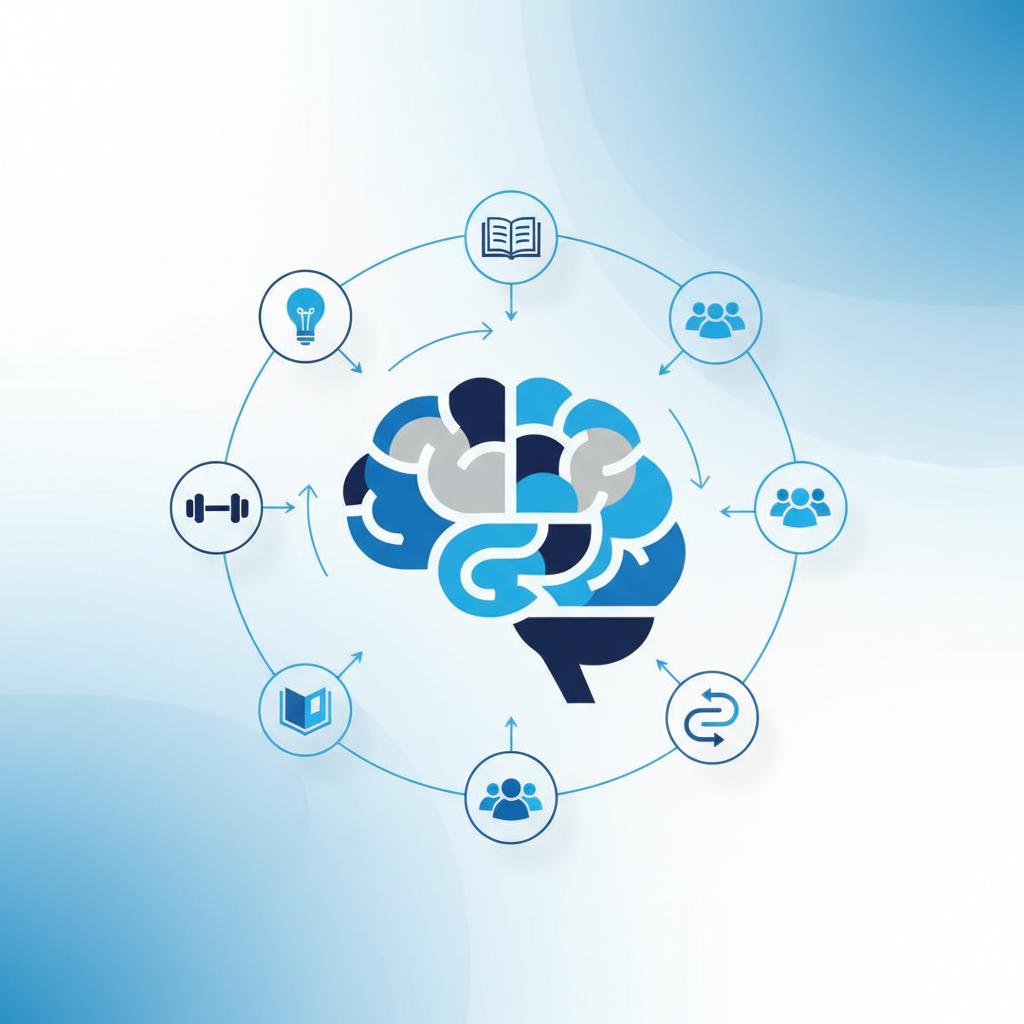
Understanding Brain Flexibility and Neuroplasticity
Brain flexibility encompasses multiple mechanisms that allow your nervous system to adapt and optimize its function.
The process involves three key mechanisms: synaptic plasticity, structural plasticity, and functional plasticity. Synaptic plasticity strengthens connections between neurons, while structural plasticity creates entirely new neural pathways
.
🧠 Key Insight: Types of Brain Flexibility
This ability to dynamically balance neural circuits allows the nervous system to remain both flexible for learning and stable for sustained function
, preventing extremes that could disrupt cognitive processes.
What makes brain flexibility particularly fascinating is how it manifests differently in various life situations. Some people experience highly regulated, adaptive brain patterns that allow them to flow smoothly between different tasks and emotional states. Others may experience more rigid patterns that can contribute to feelings of being “stuck” in certain responses or behaviors.
Regulated vs. Rigid Brain Patterns
A regulated, flexible brain demonstrates several key characteristics in daily life:
- Adaptive Response: Easily shifting between focused attention and relaxed awareness as situations require
- Emotional Balance: Processing emotions without becoming overwhelmed or stuck in negative patterns
- Learning Capacity: Absorbing new information and adjusting behaviors based on feedback
- Stress Recovery: Returning to baseline functioning after challenging situations
In contrast, more rigid brain patterns might show up as difficulty transitioning between activities, getting stuck in worry loops, having trouble adapting to changes, or feeling overwhelmed by situations that previously felt manageable. Understanding these patterns can help individuals explore supportive approaches like LENS neurofeedback therapy.
Real-World Examples of Brain Flexibility in Action
Brain flexibility shows up in countless ways throughout your daily experience.
Examples of neuroplasticity surround you. When you study a new language, specific regions physically expand. Research shows that learning languages activates areas responsible for language processing, causing grey matter to become denser
.
Learning and Skill Development
Every time you learn something new – whether it’s mastering a smartphone app, understanding a complex work project, or developing a hobby – your brain creates new neural pathways.
Bilingual individuals show enhanced cognitive flexibility and stronger connections between language centers. The effort required to switch between languages strengthens executive function
.
Studies confirm that musicians experience higher levels of neuroplasticity than non-musicians. Professional string players develop larger sensory areas devoted to the hand that presses strings
. This demonstrates how focused practice literally reshapes brain structure to support enhanced performance.
Physical Activity and Brain Adaptation
Regular aerobic activity doesn’t just strengthen your body; it fundamentally changes your brain structure
.
A 2024 study from the University of British Columbia found that regular aerobic exercise increases the size of the hippocampus by 2-3% within 6 months. Strength training and yoga also contribute significantly to brain rewiring
.
💡 Brain Flexibility Through Movement
Engaging in aerobic exercise can lead to an increase in the size of the hippocampus and improve connections between neurons in this important brain region responsible for memory and learning. Aerobic exercise increases BDNF levels, which promotes synaptic plasticity
.
Many clients at our Los Angeles practice report improved mental clarity and emotional regulation when combining regular exercise with neurofeedback brain training.
Emotional Regulation and Stress Response
Your brain’s flexibility is perhaps most noticeable in how you handle challenging emotions and stressful situations. A well-regulated brain can process difficult experiences without becoming overwhelmed, while also maintaining access to positive emotions and clear thinking.
Mind–body workouts have a substantial impact on neuroplasticity by inducing calm and lowering stress hormones such as cortisol. Elevated levels of cortisol over a prolonged period have been suggested to harm brain health
. This is where approaches like LENS neurofeedback for anxiety may help support natural stress recovery patterns.
How LENS Neurofeedback Supports Brain Flexibility
The Low Energy Neurofeedback System (LENS) developed by Dr. Len Ochs uses feedback in the form of a radio frequency carrier wave, administered at a positive offset frequency from the person’s own dominant EEG frequency. Although it is an unusual biofeedback procedure, the feedback being invisible and the subject passive, clinical evidence supports the efficacy of the LENS
.
Unlike traditional approaches that require active participation,
LENS therapy is passive. As you relax in sessions, your brain does the work for you
. This unique approach allows the brain to naturally reorganize its patterns without forced effort.
The Science Behind LENS and Brain Flexibility
Neuroscientists believe that the brain’s defenses against stressors and trauma can create a “neural gridlock.” LENS works around these blockages. Addressing the brain in its own electromagnetic language, LENS allows the brain to “reboot”
.
For a fraction of a second, a tiny and imperceptible electromagnetic signal (1/300th of that omitted by a cell phone) is delivered. This signal causes a slight fluctuation in your brainwaves that allows the brain to reorganize and better regulate itself
.
🔬 Research Insight: LENS Effectiveness
Published research studies have shown the effectiveness of the LENS method with traumatic brain injury (TBI) and with fibromyalgia
.
Clinical studies support the effectiveness of LENS, as well as the results of over 75,000 people who have already been treated
.
What Research Suggests About Brain Flexibility
Low Energy Neurofeedback System (LENS) is a form of Neurofeedback (NFB) with promising clinical reports supporting its use in addressing these problems. However, research is needed, and this exploratory study was conducted to test compliance and provide preliminary evidence on efficacy
.
Low-energy neurofeedback system (LENS) delivers a weak electromagnetic signal to change the patient’s brain waves while they are motionless with their eyes closed. This type of neurofeedback has been used to treat traumatic brain injury, ADHD, insomnia, fibromyalgia, restless legs syndrome, anxiety, depression, and anger
.
Clinical Outcomes and Success Rates
At our Los Angeles practice, we consistently observe outcomes that align with published research.
Based on clinical research and practitioner reports, LENS therapy shows approximate success rates of ADHD: 70-85% improvement in attention and hyperactivity and Anxiety Disorders: 65-80% reduction in anxiety symptoms
.
In just a few sessions, clients often experience better focus, increased energy and improved mood. Anxiety and depression symptoms lift. Insomniacs sleep. Children and teens with ADD or ADHD can focus
.
📊 Clinical Evidence
Research indicates that LENS therapy benefits often persist long-term, with many patients maintaining improvements 6-12 months post-treatment. This durability suggests genuine neuroplastic changes rather than temporary effects
.
More than 90% of our Los Angeles clients report noticeable improvements in their targeted symptoms, often within the first few sessions.
The NeuroBalance Approach to Supporting Brain Flexibility
At NeuroBalance in Los Angeles, we understand that supporting brain flexibility requires a personalized approach that honors each individual’s unique neural patterns and life circumstances. Our practitioner, Jon Stuart, brings over a decade of experience working with LENS neurofeedback technology to help clients optimize their brain function.
Our Educational Philosophy
We believe in empowering our clients with knowledge about how their brains work and how various factors may support optimal brain flexibility. This includes understanding:
- How brain wave patterns relate to daily experiences of focus, mood, and energy
- The role of neuroplasticity in personal growth and adaptation
- Lifestyle factors that may support healthy brain flexibility
- How LENS neurofeedback may complement other wellness approaches
Our approach emphasizes that LENS neurofeedback is an educational and supportive tool, not a medical treatment. We work with clients to help them understand their own brain patterns and explore how LENS neurofeedback may support their wellness goals.
📍 NeuroBalance Los Angeles
Located in Mar Vista, serving clients throughout Southern California. Home visits also available.
4029 Alla Road, Los Angeles, CA 90066 • 424.625.5445
Signs of Flexible vs. Rigid Brain Patterns in Daily Life
Understanding how brain flexibility shows up in daily life helps you recognize whether your nervous system is working optimally or stuck in patterns that may need support.
When the brain cannot flexibly respond to situations, it may default to maladaptive patterns
, affecting everything from relationships to work performance.
Flexible Brain Patterns: Adaptation in Action
Research now shows that plasticity continues throughout the lifespan, supporting learning, memory, and recovery from injury or disease
. When your brain demonstrates flexibility, you’ll notice several key characteristics in daily life:
**Emotional Regulation**: You bounce back from setbacks relatively quickly, can shift from negative to positive emotions when appropriate, and don’t get stuck ruminating on problems.
Despite having formed a particular cognitive/behavioral pattern of responding to a specific situation, you are able to disengage from this initial pattern if it is no longer effective
.
**Problem-Solving Adaptability**: When one approach doesn’t work, you naturally try different strategies. You can see situations from multiple perspectives and adjust your methods based on feedback from the environment.
**Social Interactions**: You read social cues well, adapt your communication style to different people and situations, and can shift between different roles (parent, professional, friend) fluidly.
📊 What Research Suggests:
Neuroplasticity could be better understood as a vector in which both directions could be taken for the brain to flexibly adapt to certain demands
. This includes both building new connections and pruning unnecessary ones.
Rigid Brain Patterns: When Flexibility Gets Stuck
Cognitive rigidity often involves reduced activity in the prefrontal cortex, which is responsible for planning, decision-making, and adapting to change
. When brain patterns become rigid, you might notice:
**All-or-Nothing Thinking**:
You may hear yourself saying “always” and “never” a lot, like “I never get my way!” or “You always say no to everything I want!”
You get very frustrated when plans change or expectations go unmet.
**Emotional Inflexibility**:
This rigidity can show up as an inability to shift attention or change strategies, often leading to unhelpful behaviours
. You might have difficulty recovering from minor disappointments or find yourself stuck in negative emotional states for extended periods.
**Routine Dependency**:
Individuals with inflexible thinking often become stuck in ritualistic or repetitive patterns of behavior, have a need for sameness and order, and tend to focus intensely on their own thoughts, beliefs, and behaviors
.
The Neurobiological Foundation
Brain SPECT imaging shows that when there is too much activity in the ACG (anterior cingulate gyrus), it is associated with finding too many errors (being overly critical), inflexibility, rigid thinking, and focusing too much on the things that bother you. When the brain’s ACG is overactive, it means you can get stuck on negative thoughts
.
Cognitive as well as behavioral flexibility are needed for individuals to adjust their behavior and thoughts in response to changing environmental demands. Flexibility across the lifespan is modulated by the lateral and orbital frontoparietal, mid-cingulo-insular, and frontostriatal regions of the brain
.
💡 Understanding Brain Health:
The brain operates on a delicate balance between flexibility and stability.
The human brain operates on a knife’s edge, a slim, just-right compromise between flexibility and rigid structure. Too much plasticity would devolve into chaos, while too little flexibility prevents adaptation to life’s challenges
.
| Flexible Brain Patterns | Rigid Brain Patterns |
|---|---|
| Bounces back from setbacks quickly | Gets stuck in negative states for days/weeks |
| Tries multiple problem-solving approaches | Persists with ineffective strategies |
| Adapts communication to different people | Uses same approach regardless of context |
| Comfortable with unexpected changes | Significant distress when plans change |
| Balanced perspective (“sometimes,” “often”) | All-or-nothing language (“always,” “never”) |
Practical Ways to Support Brain Flexibility Naturally
While understanding brain flexibility is important, knowing how to support it naturally empowers you to take an active role in your neurological wellness.
The ability to dynamically balance neural circuits allows the nervous system to remain both flexible for learning and stable for sustained function
.
Physical Movement and Exercise
Research has shown that engaging in aerobic exercise can lead to an increase in the size of the hippocampus and improve the connections between neurons in this important brain region responsible for memory and learning. Specifically, aerobic exercise increases BDNF levels, which promotes synaptic plasticity and neurogenesis in the hippocampus
.
**Aerobic Exercise**:
Moderate-intensity aerobic exercise (60–70% of maximum heart rate) performed for 30–40 min, 3–4 times per week has been shown to optimally stimulate BDNF production and hippocampal neurogenesis
. This includes activities like brisk walking, cycling, swimming, or dancing.
**Resistance Training**:
Resistance exercise also can impact neuroplasticity by elevating the amounts of muscle-derived factors that can traverse the blood–brain barrier, including insulin-like growth factor-1 (IGF-1) and myokines, therefore enhancing brain health
.
**Mind-Body Practices**:
Mind–body workouts have a substantial impact on neuroplasticity by inducing calm and lowering stress hormones such as cortisol. Elevated levels of cortisol over a prolonged period have been suggested to harm brain health
.
Novel Experiences and Learning
Intentionally trying new routes, foods, or activities rewires the brain for adaptability
. The brain thrives on novelty and challenge:
**Challenge Yourself Regularly**: Learn a new language, instrument, or skill. Take different routes to familiar places. Try cooking cuisines you’ve never attempted. Each novel experience creates new neural pathways.
**Cross-Training Your Mind**: Just as athletes cross-train different muscle groups, engage different cognitive abilities. If you’re analytical by nature, try creative pursuits. If you’re primarily creative, engage logical problem-solving activities.
**Social Variety**:
Human connection is a powerful driver of neuroplasticity. Meaningful social relationships challenge us to adapt, empathize, and see situations from multiple perspectives. They also provide the emotional safety that allows our brains to move out of defensive, rigid states
.
Stress Management and Nervous System Regulation
Chronic stress floods the brain with cortisol, limiting adaptability. This is particularly common in neurodevelopmental conditions like autism spectrum disorder and ADHD, and trauma history can lock thinking into survival patterns through hypervigilance
.
**Breathing Practices**:
Calming the body increases openness to new ideas. Try grounding or breathwork
. Deep, slow breathing activates the parasympathetic nervous system, creating the foundation for neural flexibility.
**Mindfulness and Meditation**:
Evidence from neuroimaging studies revealed that contemplative practices, including mindfulness meditation, are linked to alterations in connectivity patterns between major brain networks. Contemplative training thus seems to be accompanied by plasticity in and between cortical networks
.
💬 What Clients Share:
“Since I started combining daily walks with our LENS neurofeedback sessions, I notice I can shift gears so much better. Little disruptions don’t throw off my whole day anymore.” – Individual results vary.
Sleep and Recovery
Quality sleep is essential for brain flexibility. During sleep, your brain consolidates memories, clears metabolic waste, and reorganizes neural networks. Poor sleep contributes to cognitive rigidity by keeping the brain in a stressed, defensive state.
**Sleep Hygiene**: Maintain consistent bedtimes, create a cool, dark environment, and limit screen time before bed. Consider exploring neurofeedback approaches for sleep support if insomnia persists.
**Recovery Time**: Schedule regular periods of low stimulation to allow your nervous system to reset and integrate new information.
How Different Life Stages Affect Brain Flexibility
Neuroplasticity is at its peak in the early stages of life, but with aging, there is a decrease in synaptic formation, gray matter volume, and adaptability, which can impact cognitive function and the natural recovery process during critical periods of brain development
. However, the story of brain flexibility across the lifespan is far more nuanced and hopeful than previously thought.
Early Development: The Foundation Years
During childhood and adolescence, the brain exhibits extraordinary flexibility.
Although partially compromised compared to early neurodevelopment, adult brain remodeling is still salient and fairly required for learning/experience- and internal milieu-based behavioral adjustments
.
**Critical Periods**: Young brains can more easily reorganize after injury, learn multiple languages simultaneously, and adapt to environmental changes. This high plasticity explains why early intervention is often most effective for developmental challenges.
**The Double-Edged Nature**: While this flexibility allows for remarkable learning and recovery, it also means young brains are more vulnerable to negative influences.
Mental health plays a crucial role in shaping neuroplasticity as it influences brain function through adaptive and maladaptive changes. Borderline Personality Disorder (BPD) is an example of maladaptive neuroplasticity, characterized by dysregulated aggressive behaviors
.
Children and adolescents often benefit significantly from approaches like LENS therapy for ADHD or autism spectrum disorder support because their nervous systems are naturally more adaptable.
Adulthood: Maintaining and Optimizing Flexibility
Neuroplasticity is now well recognized as a fundamental and lifelong brain property. Although partially compromised compared to early neurodevelopment, adult brain remodeling is still salient and fairly required for learning/experience- and internal milieu-based behavioral adjustments
.
**Peak Performance Years**: Adults can leverage their brain flexibility for career advancement, relationship building, and skill development. Many adults discover that addressing underlying neurological patterns through peak performance neurofeedback enhances their natural capabilities.
**Stress and Responsibility**: Adult brains face unique challenges from chronic stress, multiple responsibilities, and accumulated life experiences.
There are various factors that influence neuroplasticity, including genetics, diet, lifestyle choices, and our environment
.
**Trauma Recovery**: Many adults seek support for issues that developed earlier in life.
Your brain naturally seeks balance and optimal functioning, but trauma, stress, injury or other factors can create stuck patterns in neural networks. These patterns can significantly impact various aspects of life
, including increased risks for conditions like anxiety and PTSD.
Later Life: Wisdom Meets Continued Adaptation
Contrary to outdated beliefs about aging brains, research reveals that neuroplasticity continues well into later decades.
With aging, there is a decline in capability, which leads to impairments in cognitive function and an increased risk of neurodegenerative diseases. Researchers are currently investigating the molecular, structural, and lifestyle-related mechanisms that contribute to these changes, aiming to identify strategies that may help mitigate cognitive decline and maintain brain health in aging populations
.
**Compensatory Flexibility**: Older brains often develop alternative neural pathways to maintain function, demonstrating remarkable adaptive capacity. This explains why some older adults maintain sharp cognitive abilities despite age-related brain changes.
**Prevention and Intervention**:
In neurodegenerative diseases, interventions such as exercise, brain stimulation, and cognitive training help slow progression and alleviate symptoms. Advancing neuroplasticity-based therapies offers new hope for neurological rehabilitation
.
**Individual Variation**:
Variations in neuroanatomy, such as differences in cortical thickness, gray matter volume, and synaptic density, significantly influence individual neuroplastic responses. For instance, structural differences in the hippocampus and prefrontal cortex have been associated with varying capacities for learning and memory, impacting how individuals adapt to new experiences or recover from neurological injuries
.
📊 What Research Suggests:
Recent evidence suggests that combining different types of physical activity may provide synergistic benefits for neuroplasticity and cognitive function. Multimodal exercise interventions, which typically include aerobic, resistance, and balance training components, have shown promising results in improving cognitive performance and functional outcomes in older adults
.
Brain Flexibility and Mental Health Conditions
A transdiagnostic process is defined as a cognitive or behavioral process that contributes to the maintenance of symptoms of psychological distress across a wide range of psychological disorders
. Understanding the relationship between brain flexibility and mental health reveals why addressing underlying neural patterns can be so transformative across multiple conditions.
Anxiety Disorders and Cognitive Inflexibility
Recent research on cognitive flexibility showed that several mental disorders are linked to cognitive inflexibility, including Post-Traumatic Stress Disorder (PTSD), Generalised Anxiety Disorder (GAD), and binge-eating disorder
. When the brain becomes rigid, it often defaults to worry patterns and catastrophic thinking.
**The Anxiety-Rigidity Loop**: Anxiety creates brain states that prioritize threat detection over flexible problem-solving. This leads to repetitive worry patterns, avoidance behaviors, and difficulty adapting to new information that contradicts anxious predictions.
**Breaking Free**:
LENS works to lift suppression in the brain allowing the brain to be more flexible and function more optimally. LENS Neurofeedback helps the brain to develop new neural pathways, to get “unstuck” from repeated patterns with anxiety, depression, PTSD and more
.
Many clients find that LENS therapy for anxiety helps them develop more flexible responses to stressful situations, reducing the automatic activation of worry patterns.
Depression and Neural Rigidity
Depression is accompanied by strong rigidity
. In depressed states, the brain often gets stuck in negative thought patterns, rumination, and hopelessness, making it difficult to see alternatives or possibility.
**Neurobiological Changes**: Depression involves alterations in neural networks related to mood regulation, executive function, and default mode network activity. These changes can create self-reinforcing cycles of negative thinking and reduced behavioral flexibility.
**The Path to Recovery**:
LENS helps make the brain more flexible and therapy provides the support and coaching for how to make changes and develop new patterns in how we deal with our thoughts and emotions
. This combination approach is particularly effective for depression support.
ADHD and Executive Function Flexibility
Neurologically, conditions such as ADHD, autism spectrum disorders, and certain brain injuries can affect the prefrontal cortex, crucial for adapting behaviour and switching tasks
. ADHD involves challenges with cognitive flexibility, particularly in switching between tasks and adapting to changing demands.
**Attention and Flexibility**: ADHD brains often struggle with both sustained attention and flexible attention-switching. They may hyperfocus on preferred activities while having difficulty shifting to less preferred tasks.
**Supporting ADHD Flexibility**:
Children, teens, and adults have experienced successful treatment of ADD/ADHD with LENS Neurofeedback. This scientifically advanced therapy accelerates rebuilding brain cells and healthy neuropathways to improve attention deficit disorder, clear foggy thinking, and improve memory
.
💡 Understanding Brain Health:
Clinical and neuroscientific evidence indicates that transdiagnostic processes contribute to the generation and maintenance of psychopathological symptoms and disorders, with rigidity appearing as a core feature of most pathological processes. This suggests that addressing brain rigidity may be key to supporting mental health across multiple conditions
.
Trauma and Stuck Survival Patterns
Following sensory deafferentation, cortical reorganization occurs, with previously inactive brain regions integrating inputs from adjacent sensory fields over time
. Trauma can create particularly rigid neural patterns as the brain prioritizes survival over flexibility.
**Trauma’s Impact on Flexibility**: After traumatic experiences, the brain may become hypervigilant and defensive, limiting its ability to accurately assess safety and respond appropriately to current situations rather than past threats.
**Healing and Flexibility**:
Neurofeedback provides a nice integrated approach to trauma counseling to help alleviate many symptoms of emotional stress and trauma
. LENS therapy for trauma helps the nervous system develop more flexible, adaptive responses.
The Transdiagnostic Approach
Mindfulness-based interventions may not be symptom-specific but target common transdiagnostic processes. This may help to explain their broad spectrum of application in clinical psychology
. Similarly, approaches that enhance brain flexibility can be beneficial across multiple conditions.
⚕️ Important Note:
While LENS neurofeedback may support overall brain function and flexibility, it is not intended to diagnose, treat, cure, or prevent any specific mental health condition. Individual results vary significantly. Always consult your healthcare provider for comprehensive mental health care and consider approaches like LENS therapy as part of an integrated treatment approach.
The Role of Environment in Brain Flexibility
Your environment plays a crucial role in shaping your brain’s capacity for flexibility and adaptation.
While traditional interventions focus on individual behaviors, environmental design—especially interior space where people spend most of their time—offers a scalable avenue for stress modulation. Among environmental stimuli, color is a powerful yet underutilized perceptual factor known to influence emotion and cognition.
### Physical Environment and Neural Adaptation
The spaces we inhabit directly influence our brain’s ability to remain flexible and adaptive. Research shows that
lifestyle factors influence synaptic growth, neurogenesis, and overall cognitive flexibility.
This means that creating an optimized physical environment isn’t just about comfort—it’s about supporting your brain’s fundamental capacity for change.
Consider how different environments affect your mental state. A cluttered, noisy workspace may contribute to rigid thinking patterns, while a calm, organized space can promote cognitive flexibility.
During experiences of acute (brief) stress, resources shift away from brain regions implicated in top-down, goal-directed behavior, such as the dorsolateral prefrontal cortex (dlPFC), and towards regions that promote bottom-up threat detection, such as the amygdala, the dorsal anterior cingulate cortex, and the hypothalamus.
Environmental factors that support brain flexibility include:
– **Natural light exposure**: Helps regulate circadian rhythms and supports healthy brain function
– **Reduced noise pollution**: Allows the prefrontal cortex to function optimally
– **Organized spaces**: Minimize cognitive load and reduce mental rigidity
– **Access to nature**: Provides restorative experiences that enhance flexibility
– **Temperature regulation**: Maintains optimal conditions for cognitive performance
### Social Environment and Cognitive Flexibility
Your social environment is equally important for maintaining brain flexibility.
Beyond recognizing resilience as “achieving a positive outcome in the face of adversity”, the flexibility of the brain based upon healthy architecture emerges as a primary consideration. We have seen that brain architecture continues to show plasticity throughout adult life and studies of gene expression and epigenetic regulation reveal a dynamic and ever-changing brain.
Social interactions that promote flexibility include:
– Exposure to diverse perspectives and viewpoints
– Engaging in collaborative problem-solving
– Participating in meaningful discussions
– Building supportive relationships that encourage growth
– Seeking feedback and being open to change
Conversely, social environments characterized by criticism, rigidity, or isolation can contribute to inflexible thinking patterns and reduced cognitive adaptability.
### Chronic Stress and Environmental Triggers
Understanding environmental stress triggers is crucial for maintaining brain flexibility.
Several studies have reported that acute (brief) stress impairs cognitive flexibility. Even though an individual’s perception of their chronic stress levels is shown to influence effects of future stressors, the interactive effect of acute and perceived chronic stress on cognitive flexibility is not known.
Common environmental stressors that reduce brain flexibility include:
– Chronic noise exposure
– Poor air quality
– Overcrowding or lack of personal space
– Constant digital stimulation
– Unpredictable schedules or environments
– Lack of control over one’s physical space
At NeuroBalance, we often see clients who benefit from addressing environmental factors alongside their LENS neurofeedback therapy. Creating a supportive environment helps maximize the brain’s capacity for positive change.
### Enriching Environments for Neuroplasticity
Creating an enriching environment is one of the most powerful ways to support neuroplasticity.
An enriched environment provides the stimulation and variety your brain needs to maintain its flexibility throughout life.
Elements of an enriching environment include:
– **Novelty**: Regular exposure to new experiences, learning opportunities, and challenges
– **Complexity**: Environments that offer multiple sensory inputs and cognitive demands
– **Social interaction**: Regular meaningful contact with others
– **Physical activity opportunities**: Spaces that encourage movement and exercise
– **Creative outlets**: Access to artistic, musical, or creative pursuits
Combining LENS with Lifestyle Approaches
While LENS neurofeedback can produce remarkable improvements in brain flexibility, combining it with supportive lifestyle approaches often enhances and sustains results.
Supporting the brain with healthy lifestyle habits during neurofeedback training, as in sleep, nutrition, exercise, motivation, and focus, can assist in encouraging and sustaining neuroplastic change and are integral to achieving optimal outcomes at any age.
### The Synergistic Approach
The integration of Cognitive Behavioral Therapy with neurofeedback protocols represents a paradigm shift in neurotherapeutic intervention, addressing both conscious cognitive patterns and unconscious neural dysregulation simultaneously. This dual-modality approach targets the bidirectional relationship between thought patterns and brain wave activity, creating comprehensive cognitive restructuring.
At NeuroBalance, we’ve found that clients who combine LENS therapy with lifestyle modifications often experience:
– Faster initial improvements
– More sustained long-term benefits
– Better stress resilience
– Enhanced overall well-being
– Greater satisfaction with treatment outcomes
### Sleep Optimization for Brain Flexibility
Quality sleep is fundamental to maintaining brain flexibility.
The first change observed in patients, who are treated with neuro-feedback training is the change and improvement in their sleep pattern.
During sleep, your brain consolidates new neural pathways formed during LENS sessions and clears metabolic waste that can interfere with optimal brain function.
Sleep strategies that complement LENS therapy include:
– Maintaining consistent sleep and wake times
– Creating a cool, dark sleep environment
– Avoiding screens 1-2 hours before bed
– Using relaxation techniques before sleep
– Addressing underlying sleep disorders
Many of our clients notice improved sleep quality within the first few LENS sessions, which then creates a positive cycle supporting further brain flexibility improvements.
### Nutrition and Brain Plasticity
Your brain’s ability to remain flexible depends heavily on proper nutrition. The brain consumes approximately 20% of your daily energy, making nutritional support crucial for optimal neuroplasticity.
Key nutritional strategies that support LENS therapy outcomes include:
– **Omega-3 fatty acids**: Support neuroplasticity and reduce inflammation
– **Antioxidant-rich foods**: Protect against oxidative stress that can reduce flexibility
– **Adequate protein**: Provides amino acids needed for neurotransmitter production
– **Complex carbohydrates**: Supply steady energy for brain function
– **Proper hydration**: Maintains optimal neural communication
Aspartame is a neurotoxin found in many diet sodas and diet foods that affects the brain and nervous system. Parabens and phthalates are additives to shampoo, cosmetics, and other products that can cause cancer.
We recommend avoiding these substances during neurofeedback treatment.
### Exercise and Cognitive Flexibility
Physical exercise is one of the most powerful lifestyle interventions for supporting brain flexibility. Regular movement stimulates the production of brain-derived neurotrophic factor (BDNF), which supports neuroplasticity and the formation of new neural connections.
Exercise approaches that complement LENS therapy include:
– **Cardiovascular exercise**: Improves blood flow and oxygen delivery to the brain
– **Strength training**: Supports overall brain health and cognitive function
– **Balance and coordination activities**: Challenge neural pathways and improve brain flexibility
– **Mind-body practices**: Such as yoga or tai chi, which combine physical movement with mindfulness
Understanding these factors helps clients make supportive lifestyle choices alongside their neurofeedback therapy.
We work with clients to identify activities they enjoy, making it more likely they’ll maintain these beneficial habits long-term.
### Stress Management Techniques
While LENS therapy helps improve your brain’s natural stress resilience, combining it with effective stress management techniques can accelerate progress.
The fundamental factor in the expression of these abilities is highly dependent on context, including the characteristics and demands of the situation.
Effective stress management approaches include:
– **Mindfulness meditation**: Helps develop present-moment awareness and cognitive flexibility
– **Deep breathing exercises**: Activates the parasympathetic nervous system
– **Progressive muscle relaxation**: Reduces physical tension that can contribute to mental rigidity
– **Time in nature**: Provides natural stress relief and cognitive restoration
– **Creative pursuits**: Engage different brain networks and promote flexible thinking
Many clients find that their ability to manage stress improves significantly as their brain flexibility increases through LENS therapy, creating a positive feedback loop.
### Monitoring Progress with Lifestyle Integration
Get an instant visual pulse of your brain daily and see how habits and lifestyle choices impact your brain activity.
While we don’t use at-home monitoring devices, we do track how lifestyle changes affect your progress during LENS sessions.
We encourage clients to keep a simple journal noting:
– Sleep quality and duration
– Energy levels throughout the day
– Stress levels and triggers
– Physical activity and exercise
– Mood and emotional flexibility
– Cognitive performance and mental clarity
This information helps us fine-tune both the LENS protocols and lifestyle recommendations for optimal results.
Frequently Asked Questions
Next Steps: Beginning Your Brain Flexibility Journey
Understanding brain flexibility is just the beginning. The next step is taking action to support and enhance your brain’s natural capacity for adaptation and change. Whether you’re dealing with rigid thinking patterns, struggling with stress management, or simply wanting to optimize your cognitive performance, there are concrete steps you can take starting today.
### Assessing Your Current Brain Flexibility
Before beginning any intervention, it’s helpful to understand your current level of brain flexibility. Consider these questions:
– Do you find yourself stuck in repetitive thought patterns?
– How well do you adapt when plans change unexpectedly?
– Can you see situations from multiple perspectives?
– Do you recover quickly from stressful events?
– Are you able to learn new skills and approaches easily?
– How flexible are your emotional responses to challenges?
If you answered “not well” to several of these questions, you might benefit from targeted interventions like LENS neurofeedback therapy.
### Starting with Lifestyle Modifications
While you consider professional interventions, you can begin supporting brain flexibility immediately through lifestyle changes:
**This Week:**
– Establish a consistent sleep schedule
– Try one new activity or route to work
– Practice 5 minutes of daily meditation
– Reduce screen time one hour before bed
**This Month:**
– Add regular physical exercise to your routine
– Learn a new skill or hobby
– Practice stress management techniques
– Optimize your physical environment for reduced stress
**Ongoing:**
– Continue challenging yourself with new experiences
– Maintain social connections and seek diverse perspectives
– Monitor how different factors affect your mental flexibility
– Build resilience through gradual exposure to manageable challenges
### When to Consider Professional Support
You might benefit from LENS neurofeedback therapy, which works from the bioelectrical side to alleviate brain based problems by sending a tiny low energy signal to the scalp that effects the amount of reactivity that current poor brainwaves will have to it and directly influences it to stimulate a biochemical change that assists the brain to self-adjust to a more optimal state if you experience: **Persistent Patterns Despite Efforts**: When you’ve tried therapy, lifestyle changes, and self-help approaches but find yourself repeatedly falling back into the same emotional or behavioral patterns.
Other signs that professional intervention might be beneficial include:
– Chronic anxiety or depression that limits flexibility
– Difficulty recovering from traumatic experiences
– Attention and focus challenges that interfere with adaptability
– Sleep problems that persist despite good sleep hygiene
– Ongoing stress that seems to worsen over time
– Cognitive symptoms following a brain injury
### The NeuroBalance Approach
At NeuroBalance, we understand that every brain is unique. Jon S. Haupers, our LENS Neurofeedback Specialist with over 12 years of experience, has helped hundreds of Los Angeles clients discover greater brain flexibility and resilience.
Our process begins with a comprehensive assessment to understand your specific brain patterns and challenges.
After an average of only 20 treatments the mean average of patient symptom ratings (0-10) declined from 7.92 to 3.96, a 50% improvement in a landmark study of 100 LENS neurofeedback patients. This research provides compelling evidence for how targeted interventions can help restore natural brain flexibility.
### What Sets LENS Apart
Unlike traditional neurofeedback that requires conscious effort and attention, LENS is passive—you simply relax while the system does the work.
The brain possesses inherent mechanisms for restoring flexibility, but these can become suppressed or overwhelmed. Addressing the brain in its own electromagnetic language, LENS allows the brain to “reboot,” restoring optimal functioning.
This unique approach makes LENS particularly effective for individuals who:
– Have difficulty with traditional talk therapy approaches
– Find meditation or mindfulness practices challenging
– Need support for attention and focus issues
– Have experienced trauma that affects brain regulation
– Want to enhance performance and cognitive flexibility
### Your Investment in Brain Health
Improving brain flexibility isn’t just about addressing current challenges—it’s an investment in your long-term cognitive health and quality of life.
Beyond recognizing resilience as “achieving a positive outcome in the face of adversity”, the flexibility of the brain based upon healthy architecture emerges as a primary consideration. We have seen that brain architecture continues to show plasticity throughout adult life and studies of gene expression and epigenetic regulation reveal a dynamic and ever-changing brain.
Enhanced brain flexibility can lead to:
– Improved problem-solving abilities
– Greater emotional resilience
– Better stress management
– Enhanced creativity and innovation
– More satisfying relationships
– Increased life satisfaction and well-being
Ready to Enhance Your Brain Flexibility?
Discover how LENS neurofeedback can help you develop a more flexible, resilient brain. Schedule a free 15-minute consultation to learn if this approach is right for you.
📞 424.625.5445 | ✉️ [email protected]
📍 4029 Alla Road, Los Angeles, CA 90066
### Taking the First Step
The journey toward greater brain flexibility begins with a single step. Whether that’s implementing lifestyle changes, seeking professional support, or simply becoming more aware of your current patterns, the key is to start where you are and move forward consistently.
The research is clear: neuroplasticity continues throughout the lifespan, supporting learning, memory, and recovery from injury or disease. This means we can actively work to support our brain’s ability to adapt and change at any age.
Your brain has an remarkable capacity for change and adaptation. With the right support—whether through lifestyle modifications, LENS neurofeedback, or a combination of approaches—you can develop the flexible, resilient brain that supports your best life.
Your Brain Wellness Journey
Throughout this exploration of brain flexibility, we’ve discovered that your brain’s capacity for adaptation is one of its most remarkable features. From the neuroplasticity that continues throughout your lifetime to the environmental factors that shape cognitive flexibility, understanding these mechanisms empowers you to take active steps toward a more flexible, resilient brain.
The research is clear: whether you’re 25 or 85, your brain retains the ability to form new neural pathways, adapt to challenges, and recover from difficulties. The key is providing the right conditions—through lifestyle choices, environmental optimization, and when needed, targeted interventions like LENS neurofeedback—to support this natural flexibility.
Whether you’re exploring options for anxiety support, looking to understand ADHD and brain function, or interested in peak performance optimization, we’re here to provide educational resources and support.
🌱 Take Your Next Step:
Learn more about getting started with NeuroBalance, explore our client testimonials, or browse our FAQ for more information about brain flexibility and neurofeedback therapy.
This content is for educational purposes only and is not intended as medical advice. Always consult with qualified healthcare professionals regarding your health concerns and before beginning any new treatment approaches.