

What Neuroplasticity Really Means
Neuroplasticity is your brain’s ability to physically rewire itself in response to experience, learning, and targeted therapeutic intervention. This is not metaphorical — it’s measurable change in neural structure, connectivity, and function that happens across your entire lifespan.
- Neuroplasticity involves three distinct mechanisms: Hebbian plasticity (neurons that fire together wire together), structural synaptic changes (LTP/LTD), and cortical remapping — all measurable via brain imaging
- Critical periods in childhood show heightened plasticity, but the adult brain remains plastic throughout life, particularly in the prefrontal cortex and hippocampus
- Experience-dependent plasticity (what happens naturally) differs fundamentally from therapeutic plasticity (what happens with targeted intervention like neurofeedback)
- Synaptic pruning removes unused connections to strengthen utilized pathways — this is a feature, not a limitation, of healthy brain development
Over 1.5 billion neurons populate your brain, connected by approximately 100 trillion synaptic connections. For most of the 20th century, neuroscientists believed this architecture was essentially fixed after childhood. Today, we know this was profoundly wrong. A landmark meta-analysis published in Nature Reviews Neuroscience (2020) analyzing over 300 peer-reviewed studies documented that structural brain changes occur measurably in response to learning, skill training, and therapeutic interventions — even in adults over 65. This shift in understanding hasn’t been a footnote in neuroscience — it’s fundamentally redefined what’s possible for brain health, recovery from injury, and treatment of neurological conditions. If your brain can physically change in response to experience and intervention, then recovery isn’t about accepting what you’ve lost. It’s about understanding which mechanisms drive change, and how to activate them deliberately.
The Three Mechanisms of Neuroplasticity
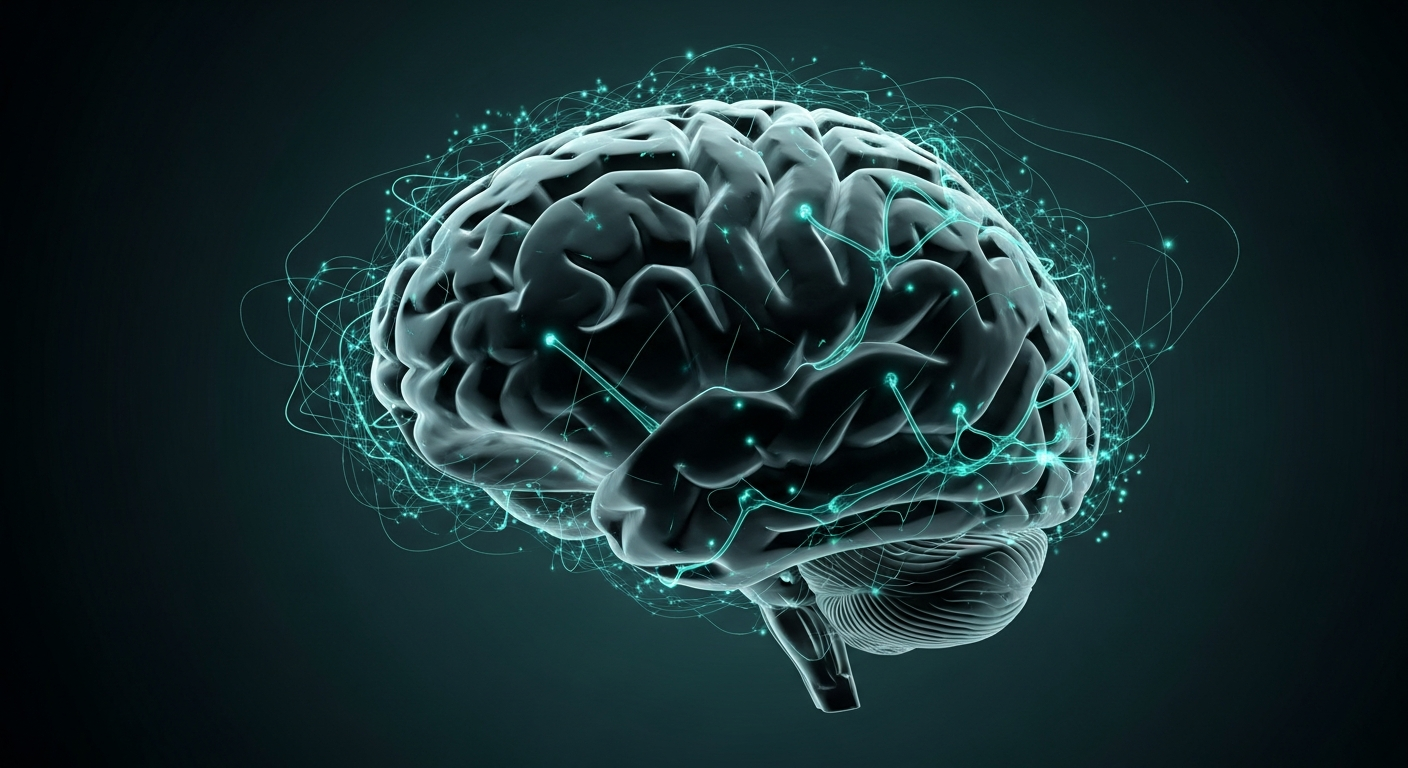
Neuroplasticity operates through three distinct biological mechanisms, each with its own timescale and purpose. Understanding these differences is crucial because different therapeutic approaches — including LENS neurofeedback therapy — activate different plasticity mechanisms.
Hebbian Plasticity: Coined from neuroscientist Donald Hebb’s principle “neurons that fire together wire together,” this describes the strengthening of synaptic connections when two neurons are active simultaneously. When you repeatedly practice a skill or have a repeated experience, the neurons involved in that neural circuit become increasingly synchronized. Over multiple activations, the synaptic connection between them strengthens. This is the foundation of learning itself. A classical example: violinists show expanded cortical representation of their left hand (the one with high motor demand) compared to right-handed controls — a change visible on functional brain imaging. This isn’t genetic. It’s the direct result of thousands of hours of coordinated neural firing during practice.
Structural Synaptic Change (LTP and LTD): Long-term potentiation (LTP) and long-term depression (LTD) are the molecular mechanisms underlying Hebbian plasticity. When synapses are repeatedly activated in synchrony, molecular cascades at the synapse (involving NMDA receptors, calcium influx, and AMPA receptor trafficking) physically enlarge and strengthen the synapse. Conversely, when a synapse is underutilized, it weakens through LTD. These changes are measurable: strengthened synapses show increased receptor density, more neurotransmitter release sites, and larger dendritic spines (the physical contact points between neurons). Studies using electron microscopy have documented that a single course of motor learning increases dendritic spine density by 20-30% in relevant cortical regions — a structural change that persists for weeks after learning ceases.
Cortical Remapping: This describes the reorganization of functional brain maps in response to changed input or behavioral demand. After stroke or amputation, adjacent cortical areas “take over” the lost function. Brain mapping studies document this vividly: patients with TBI recovery often show activation shifting to contralesional (opposite-side) cortex to compensate for damaged tissue. This isn’t a quick process — it unfolds over months — but it’s fundamentally real. The brain has a remarkable capacity to reorganize its functional architecture when parts are damaged or demands change.
Critical Periods vs. Lifelong Plasticity
The discovery of critical periods revolutionized developmental neuroscience. These are narrow windows of heightened plasticity during early development when the brain is exquisitely sensitive to specific inputs. Language acquisition, for instance, shows dramatic critical period effects: children exposed to a second language before age 7 typically acquire native-like pronunciation, while adults learning the same language show measurable functional differences in how they process it neurally. Visual system development has perhaps the most rigid critical period: prolonged visual deprivation during infancy causes permanent deficits even if sight is later restored.
However, the critical period concept created an unfortunate misconception: that adult plasticity was minimal or negligible. Research from the past 15 years has decisively overturned this. While the adult brain may require more repetition, stronger stimulation, or more deliberate practice to achieve the same degree of change, it never stops being plastic. Longitudinal studies of London taxi drivers (who spend years memorizing complex street layouts) document measurable increases in hippocampal volume — a structural change appearing across age groups from 25 to 80 years old. Motor learning, cognitive training, and recovery from neurological injury continue to engage the same molecular machinery throughout life. The prefrontal cortex, responsible for executive function and decision-making, retains high plasticity well into old age. This is not consolation. This is liberation: recovery and learning are possible at any age, though the timeline and intensity of intervention may differ.
Experience-Dependent vs. Therapeutic Plasticity
Here’s a critical distinction often lost in popular discussions: experience-dependent plasticity is what happens naturally as you live your life — learning, skill acquisition, habit formation. Every repeated behavior (positive or negative) engages Hebbian plasticity and strengthens those neural circuits. If you spend eight hours daily scrolling social media, your attention networks reorganize. If you practice meditation, your default-mode network and emotional regulation circuits strengthen. This is automatic, requiring no clinical intervention, and entirely bidirectional — your brain will strengthen whatever you do repeatedly, beneficial or harmful.
Therapeutic plasticity is different. It’s the targeted activation of plasticity mechanisms to restore function after injury, normalize dysregulated brain states, or accelerate learning beyond what experience alone achieves. Rehabilitation after stroke uses therapeutic plasticity: by combining physical therapy (repetitive motor activation) with mental practice (visualizing movement) and sometimes brain stimulation, clinicians deliberately activate Hebbian mechanisms in patterns designed to restore function. Neurofeedback operates on this same principle: by providing real-time information about your brain state via brain mapping, it allows you to observe and self-regulate neural patterns that you cannot otherwise perceive. This conscious control of previously automatic brain states activates plasticity in a goal-directed, deliberate way. The distinction matters: you don’t need permission or clinical intervention for experience-dependent plasticity. But for recovery from injury or normalization of dysregulated states, therapeutic plasticity — activating the right mechanisms in the right pattern with the right intensity — makes the difference between slow, incomplete recovery and substantial restoration of function.
Synaptic Pruning: Strategic Strength Through Removal
One of the most misunderstood aspects of brain development is synaptic pruning — the selective elimination of synaptic connections. Parents hear the phrase “use it or lose it” and imagine their teenager losing cognitive capacity through idle time. The reality is more nuanced and actually more elegant.
Your brain is born with an overabundance of connections (the infant brain contains roughly 15,000 synapses per neuron in visual cortex). This apparent excess is actually a design feature. As you learn and develop, the connections involved in your actual experiences strengthen (via LTP), while connections never used weaken (via LTD). Over months and years, unused synapses are physically eliminated through a process called pruning. This isn’t deterioration — it’s optimization. By retaining the 2,000-4,000 most frequently used connections per neuron and pruning the rest, your brain increases signal-to-noise ratio, improves processing efficiency, and reduces metabolic cost. Pruning is a necessary component of healthy brain maturation, not a sign of lost potential. In fact, adolescents who engage in rich, varied experiences show more selective, efficient pruning patterns — their brains are more sculpted to their actual needs and capacities. Conversely, impoverished environments show incomplete pruning and weaker overall neural circuits.
How Brain States Influence Plasticity
Here’s a detail often overlooked in popular neuroscience: neuroplasticity doesn’t occur equally under all conditions. The state of your nervous system profoundly influences whether plasticity mechanisms activate or remain dormant. Chronic stress, anxiety, and dysregulated arousal actually suppress plasticity. High cortisol and adrenaline engagement the survival-oriented brainstem circuits and suppress the prefrontal and limbic regions where learning and adaptive plasticity are encoded. This explains why trauma survivors often struggle with learning and habit change — their nervous system is literally locked in a state where plasticity mechanisms are offline.
Conversely, states of calm alertness — optimal arousal with low threat perception — maximally activate plasticity. This is why good sleep improves learning (sleep consolidation replays new memories and strengthens them), why brief periods of stress followed by recovery enhance learning (the arousal spike followed by resolution), and why emotional safety facilitates change. This is also why an integrated model of brain health that addresses nervous system regulation — not just targeted cognitive training — produces superior outcomes. Neurofeedback works partly through this mechanism: by normalizing dysregulated brain states (reducing excessive slow-wave activity, optimizing arousal), it creates the neurophysiological conditions where plasticity can occur.
Measuring Neuroplasticity in Real Time
Neuroplasticity is not theoretical. Modern neuroimaging has moved beyond describing the concept and now demonstrates measurable structural and functional changes in real time. Functional MRI (fMRI) shows activation pattern changes within weeks of skill training. Diffusion tensor imaging (DTI) documents white matter tract changes (the fiber bundles connecting brain regions) in response to learning and rehabilitation. Structural MRI shows gray matter density changes in hippocampus, motor cortex, and prefrontal regions following intensive training or therapy. These aren’t arbitrary findings — they correlate directly with behavioral improvement. If a patient undergoes stroke rehabilitation and shows measurable structural changes in contralesional motor cortex on serial MRI, those changes predict better recovery of motor function.
This measurability has profound implications. Neuroplasticity is no longer a concept to appeal to when motivation flags. It’s a biological process you can observe, quantify, and deliberately activate. The specificity matters: different interventions activate plasticity through different mechanisms. Motor training activates plasticity through repetitive motor cortex engagement. Cognitive training activates plasticity through prefrontal circuits. Neurofeedback activates plasticity by allowing the brain to self-regulate states that it previously could not consciously access. Understanding which mechanism your recovery requires allows for precision in intervention selection.
How Neurofeedback Addresses Neuroplasticity
Neurofeedback provides immediate information about brain states you cannot normally perceive, allowing your nervous system to self-correct dysregulated patterns. This real-time feedback is a powerful driver of Hebbian plasticity — the brain strengthens neural patterns associated with achieving the desired brain state.
By normalizing dysregulated brain activity (excessive delta/theta or insufficiently activated beta/gamma), neurofeedback creates the calm-alert state where plasticity mechanisms operate most efficiently. This addresses the neurophysiological substrate that enables learning and change.
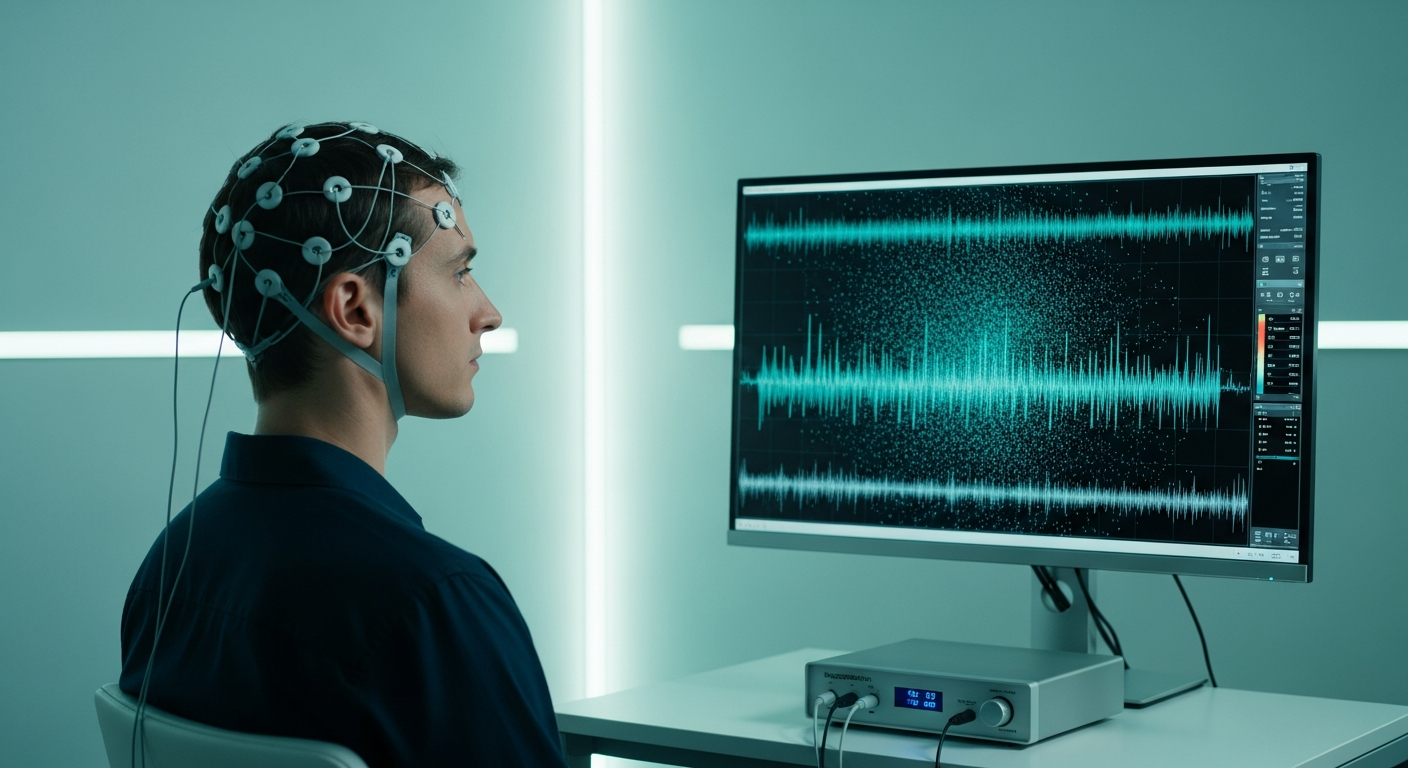
Serial brain mapping documents that neurofeedback produces measurable changes in EEG patterns — visible strengthening of efficient neural patterns and reduction of dysregulated activity. These circuit-level changes correspond with clinical improvements in attention, emotional regulation, and symptom reduction.
Unlike passive interventions, neurofeedback engages active learning and self-regulation — the mechanisms most likely to produce lasting structural change. Patients develop conscious awareness and control of brain states, supporting long-term maintenance of improvements.
Frequently Asked Questions
Can neuroplasticity help me recover from a brain injury?
Yes. Neuroplasticity is the foundation of all brain injury recovery. After stroke or TBI, the brain activates compensatory plasticity mechanisms — adjacent cortical regions assuming lost functions, alternative neural pathways strengthening. However, spontaneous recovery is often incomplete. Targeted therapeutic interventions — rehabilitation, cognitive training, and neurofeedback — activate plasticity mechanisms deliberately, accelerating and enhancing recovery. The earlier intervention begins, and the more intensive and well-designed it is, the greater the recovery typically achieved.
How long does neuroplasticity take?
Plasticity operates on multiple timescales. Functional changes (altered activation patterns on fMRI or EEG) can appear within days to weeks of intensive training. Structural changes (altered brain volume or white matter connectivity) typically require weeks to months. The complexity of the circuit being retrained matters: simple motor skills show faster plasticity than executive function or trauma recovery. Most therapeutic interventions require 4-12 weeks of consistent engagement to produce measurable, durable change.
Is my adult brain as plastic as a child’s?
Your adult brain is absolutely still plastic, though the mechanisms operate somewhat differently than in childhood. Children show faster learning with less repetition due to enhanced Hebbian mechanisms. Adults require more repetition and typically longer timelines for equivalent changes. However, the prefrontal cortex — critical for executive function, decision-making, and learning from feedback — remains highly plastic throughout life. Your adult brain is slower to change than a child’s, but it never stops changing.
What conditions can neuroplasticity-based treatment help?
Any condition involving dysregulated or underperforming neural circuits can potentially benefit from plasticity-focused interventions. This includes ADHD, anxiety, depression, sleep disorders, PTSD, chronic pain, stroke recovery, TBI, learning disabilities, and age-related cognitive decline. Neurofeedback specifically targets conditions rooted in dysregulated brain states — the goal is always to optimize the nervous system’s regulatory capacity through measurable plasticity changes.
How does neurofeedback activate neuroplasticity differently than other treatments?
Neurofeedback provides real-time information about brain activity that you cannot otherwise perceive, allowing you to learn self-regulation of states typically operating below conscious awareness. This engages active learning and conscious control — the most powerful drivers of lasting plasticity. Combined with LENS neurofeedback therapy‘s direct optimization of dysregulated brain states, it creates a dual mechanism: normalization of the dysregulated pattern plus conscious learning of the corrected state.
Ready to Activate Your Brain’s Potential?
Your brain is plastic at any age. Whether you’re recovering from injury, addressing dysregulation, or optimizing cognitive function, understanding how neuroplasticity works is the first step toward measurable change. At MyNeuroBalance, we combine brain mapping technology with getting started with a comprehensive assessment that reveals exactly which plasticity mechanisms will benefit your brain most.
Schedule Your Free Consultation
Call us: (424) 625-5445 · Los Angeles, CA
Disclaimer: This content is for informational purposes only and does not constitute medical advice, diagnosis, or treatment. LENS Neurofeedback is not FDA-approved for all conditions mentioned. Neurofeedback is a research-supported intervention for supporting optimal brain function, but individual results vary. Please consult with a qualified healthcare provider before beginning any new treatment program.