

Why ADHD Is Not a Motivation Problem — It’s a Brain Regulation Issue
Understanding the Neuroscience Behind Attention, Impulse Control, and Executive Function
For decades, individuals with ADHD have been told they lack motivation, willpower, or self-control. This harmful misconception has led to shame, frustration, and ineffective treatment approaches.
Recent neuroscience research reveals that ADHD is fundamentally a brain regulation issue involving dysregulated states of brain arousal that account for commonly observed cognitive deficits and behavioral symptoms
.
Understanding ADHD as a neurobiological condition rather than a character flaw is crucial for effective treatment and personal well-being.
The deficits in ADHD primarily involve executive functions, which are cognitive processes that help regulate behavior, control impulses, and plan and organize tasks, specifically affecting inattention, cognitive flexibility, inhibition and impulsivity, and working memory
.
This educational guide explores the latest neuroscientific understanding of ADHD, focusing on how brain regulation challenges create the symptoms we observe. We’ll examine evidence-based approaches like LENS neurofeedback therapy that support natural brain regulation and help individuals develop better cognitive control.
⚕️ Important Medical Disclaimer:
The information provided is for educational purposes only and is not intended as medical advice, diagnosis, or treatment. LENS neurofeedback is a wellness modality NOT intended to diagnose, treat, cure, or prevent any disease. Always consult a qualified healthcare professional before beginning any wellness program. Individual results vary. NeuroBalance does not provide medical services.
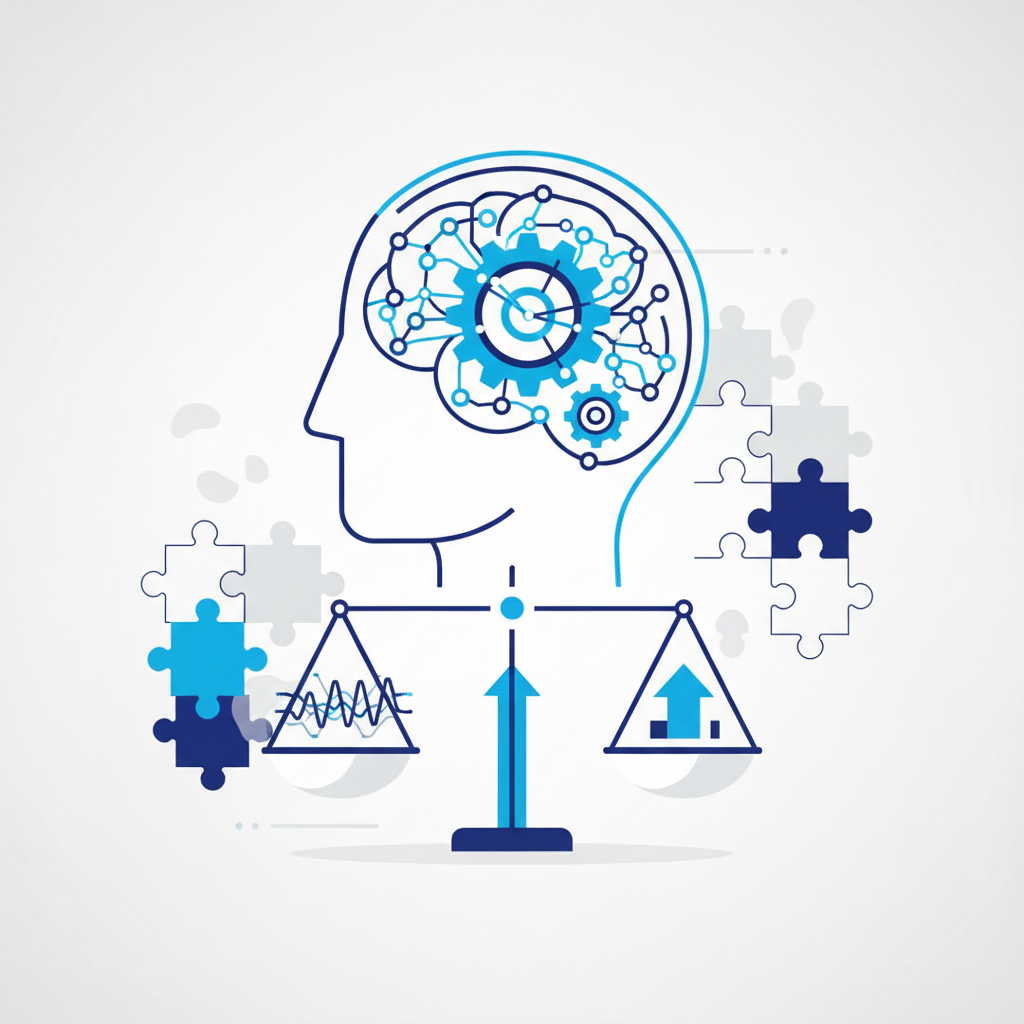
Understanding ADHD as a Brain Regulation Issue
ADHD is a highly heterogeneous disorder with multiple aetiologies that necessitates a multifactorial dimensional phenotype, rather than a fixed dichotomous conceptualization, requiring a more brain-wide, ‘global’ view of the disorder
. This understanding marks a significant shift from traditional views that blamed individuals for “lack of focus” or “poor self-control.”
The brain’s executive control system, primarily located in the prefrontal cortex, acts as the brain’s CEO.
The PFC is highly developed in humans and consists of the cortex anterior to the motor and premotor cortices in the frontal lobe, with functions specialized by region where the dorsal and lateral portions regulate attention and motor responses
.
### The Arousal Dysregulation Model
Recent research establishes that ADHD involves dysregulated states of brain arousal that account for commonly observed cognitive deficits and behavioral symptoms, described as the state regulation theory
. This model explains why individuals with ADHD may appear:
– **Hyperactive or restless** when under-aroused
– **Inattentive or “spaced out”** when over-aroused
– **Unable to maintain consistent focus** due to arousal fluctuations
– **Impulsive** when the brain seeks optimal stimulation
This isn’t about motivation—it’s about the brain’s fundamental ability to regulate its own activity levels. Understanding ADHD from a neurobiological perspective helps remove stigma and opens doors to more effective interventions.
The Neuroscience Behind Executive Function
ADHD is associated with deficits in cognitive functions, most consistently in executive functions such as motor and interference inhibition, sustained attention, working memory, timing, psychomotor speed, reaction time variability, and switching
. These aren’t separate issues but interconnected challenges stemming from brain regulation difficulties.
Executive functions include:
**Working Memory**: Holding information in mind while using it
– Example: Remembering instructions while completing a task
**Cognitive Flexibility**: Adapting thinking when situations change
– Example: Switching between different homework subjects
**Inhibitory Control**: Stopping inappropriate responses
– Example: Not blurting out answers before being called on
The key insight is that these functions depend on optimal brain arousal and network coordination. When brain regulation is impaired, all executive functions suffer—not due to lack of effort, but due to neurobiological challenges that can be addressed through targeted interventions like neurofeedback brain training.
Prefrontal Cortex and ADHD Symptoms
Lesions to the PFC in monkeys induce locomotor hyperactivity and impulsive responding, similar to what is observed in children with ADHD
. This research demonstrates that ADHD symptoms arise from specific brain circuit dysfunction, not personal failings.
### Right vs. Left Hemisphere Functions
The right inferior PFC is specialized for behavioral inhibition and is active when subjects successfully inhibit or stop movements, while the ventral and medial portions of the PFC regulate emotion
. When these areas function suboptimally, we see:
– **Impulsivity** from reduced inhibitory control
– **Emotional dysregulation** from ventromedial PFC weakness
– **Attention difficulties** from dorsal PFC challenges
– **Hyperactivity** from motor regulation issues
### Neurotransmitter Imbalances
The physiological changes induced by the binding of dopamine and norepinephrine to their respective receptors involve the modulation of several cognitive and executive processes usually impaired in ADHD, with dopamine receptors abundant in brain regions involved in signaling reward circuits, learning and memory, and locomotor activity
.
This explains why individuals with ADHD often struggle with:
– **Motivation** (dopamine reward circuits)
– **Sustained attention** (norepinephrine alertness systems)
– **Learning and memory** (neurotransmitter balance)
The good news? Research shows that LENS neurofeedback can help restore optimal brainwave patterns that support better neurotransmitter function naturally.
Brain Networks and Attention Regulation
Functional MRI studies associate ADHD with alterations in connectivity in multiple brain networks involved mainly in executive functions, attention, emotions, and sensory and motor activities, with impaired synchronization between the Default Mode Network and the Task-Positive Network
.
### The Default Mode Network (DMN)
– Active during rest and internal focus
– Should “quiet down” during tasks requiring attention
– Often stays too active in ADHD, causing mind-wandering
### The Task-Positive Network (TPN)
– Activates during focused attention tasks
– Should become dominant during concentrated work
– Often under-activated in ADHD
Poor coordination between these networks creates the classic ADHD experience of being unable to “turn off” internal mental chatter when trying to focus externally. This isn’t a motivation problem—it’s a network synchronization challenge that responds well to brain training approaches.
📍 NeuroBalance Los Angeles
Located in Mar Vista, serving clients throughout Southern California with evidence-based LENS neurofeedback therapy.
4029 Alla Road, Los Angeles, CA 90066 • 424.625.5445
How LENS Neurofeedback Supports Brain Regulation
Low-energy neurofeedback system (LENS) delivers a weak electromagnetic signal to change the patient’s brain waves while they are motionless with their eyes closed and has been used to treat traumatic brain injury, ADHD, insomnia, fibromyalgia, restless legs syndrome, anxiety, depression, and anger
.
Unlike traditional neurofeedback that requires active participation, LENS works passively.
Unlike traditional neurofeedback, in which you actively try to regulate brainwaves, LENS therapy is passive as you relax in sessions while your brain does the work for you
.
### How LENS Addresses Brain Regulation
**Disrupts Pathological Patterns**:
LENS neurofeedback naturally disrupts the pathological brain oscillations, so the brain can retune its waves either high or low to correct these poorly performing synaptic states
.
**Promotes Neuroplasticity**:
A critical aspect of neurofeedback training is its ability to enhance brain neuroplasticity—the capacity of the brain to adapt and reorganize
.
**Supports Natural Regulation**: Rather than forcing specific brainwave patterns, LENS allows the brain to find its optimal state naturally, supporting improved:
– Attention and focus
– Emotional regulation
– Impulse control
– Sleep quality
– Stress management
### The NeuroBalance Experience
At NeuroBalance, we’ve witnessed remarkable transformations in clients who previously struggled with traditional approaches.
In just a few sessions, clients often experience better focus, increased energy and improved mood, with anxiety and depression symptoms lifting and children and teens with ADD or ADHD able to focus
.
Our approach combines cognitive rehabilitation principles with cutting-edge LENS technology to support comprehensive brain health. We also offer PBM therapy to enhance neuroplasticity and healing.
Research Evidence and Clinical Studies
The latest research is revolutionizing our understanding of ADHD, revealing it as a complex brain regulation disorder rather than a simple behavioral issue.
Researchers at the National Institutes of Health (NIH) have discovered that symptoms of attention-deficit/hyperactivity disorder (ADHD) are tied to atypical interactions between the brain’s frontal cortex and information processing centers deep in the brain.
### 2024 Breakthrough Studies on ADHD Brain Networks
Recent NIH research examining over 8,000 youth found that those with ADHD had heightened connectivity between structures deep in the brain involved in learning, movement, reward, and emotion (caudate, putamen, and nucleus accumbens seeds) and structures in the frontal area of the brain involved in attention and control of unwanted behaviors (superior temporal gyri, insula, inferior parietal lobe, and inferior frontal gyri).
This groundbreaking 2024 study represents the largest examination of ADHD brain connectivity to date, finally providing clear evidence of the neurological basis for attention challenges.
The findings from this study help further our understanding of the brain processes contributing to ADHD symptoms—information that can help inform clinically relevant research and advancements.
📊 What Research Suggests:
Studies using advanced neuroimaging have confirmed cumulative, brain-wide effects of ADHD, showing robust associations between brain-wide connectivity and ADHD symptoms
across multiple research sites and thousands of participants.
### Revolutionary Findings About How ADHD Medications Really Work
Surprising 2024 research has overturned decades of assumptions about ADHD medication mechanisms.
New findings suggest that stimulant medications primarily affect brain systems involved in reward and wakefulness rather than the networks traditionally linked to attention, improving performance by making people with ADHD feel more alert and more interested in what they are doing.
Brain scans showed that children taking stimulants had increased activity in regions related to arousal or wakefulness and regions predicting how rewarding an activity will be, but did not show significantly increased activity in regions classically associated with attention.
This research suggests that LENS neurofeedback therapy may work through similar brain pathways—helping restore natural brain regulation without medication side effects.
### Meta-Analysis Evidence for Neurofeedback Effectiveness
Recent comprehensive reviews provide strong support for neurofeedback as an ADHD treatment approach.
Network meta-analysis of 1,370 children found that almost all neurofeedback therapies outperformed placebo in ADHD symptoms, with five specific neurofeedback approaches (including TBR training and SCP training) showing superior acceptability and effectiveness compared to control treatments.
Based on meta-analyses and large multicenter randomized controlled trials, three standard neurofeedback training protocols—theta/beta (TBR), sensori-motor rhythm (SMR), and slow cortical potential (SCP)—have been demonstrated as efficacious and specific, supporting neurofeedback as a viable treatment alternative.
| Research Finding | Clinical Implication |
|---|---|
| Brain connectivity differences confirmed in 8,000+ youth | ADHD is verifiable neurological condition, not behavioral choice |
| Stimulants work through arousal/reward, not attention circuits | Alternative brain regulation approaches may be equally effective |
| Meta-analysis shows neurofeedback superior to placebo | Evidence-based support for non-medication approaches |
| Brain-wide effects demonstrated across all regions | Whole-brain approaches needed for optimal outcomes |
Beyond Medication: Natural Brain Training Approaches
While medication can provide temporary symptom relief, it doesn’t address the underlying brain regulation patterns that drive ADHD symptoms.
Current traditional treatments for ADHD present serious limitations in terms of long-term maintenance of symptom remission and side effects, with symptoms rebounding when medication effects wear off.
### Understanding the Limitations of Medication-Only Approaches
Recent research showed that traditional ADHD medications do not have any effect on the clinical treatment of ADHD in some children, while causing side effects such as anxiety, irritability, abdominal pain, decreased appetite, insomnia, and headache.
The new understanding that stimulants work through arousal and reward systems rather than attention circuits suggests why medication often fails to create lasting changes. When the drug wears off, the underlying brain regulation problems remain unchanged.
⚕️ Important Note:
Never discontinue prescribed medications without consulting your healthcare provider. LENS neurofeedback can be used alongside medication to support long-term brain health and may allow for gradual medication reduction under medical supervision.
### How Neurofeedback Addresses Root Causes
The main goal of neurofeedback in treating ADHD is to help the brain regulate activity in neural circuits responsible for attention and self-control, encouraging a reduction in dysfunctional activity and promoting the activation of regions related to calm and concentration.
Unlike medication that temporarily masks symptoms, LENS neurofeedback therapy helps the brain learn new, healthier patterns of self-regulation.
LENS neurofeedback naturally disrupts the pathological brain oscillations, so the brain can retune its waves either high or low to correct these poorly performing synaptic states, in time reducing or sometimes eliminating the need for medication in milder cases.
### The Role of Sleep and Brain Regulation
Recent research has revealed a critical connection between sleep quality and ADHD symptoms that has profound implications for treatment.
Children who got less than the recommended nine or more hours of sleep per night showed greater benefits from treatment approaches, emphasizing the need to consider sleep quality alongside other interventions when children are being evaluated for ADHD.
At our Los Angeles practice, we’ve observed that many clients with ADHD symptoms also experience improved sleep quality through LENS therapy, creating a positive feedback loop that supports overall brain health.
### Lifestyle Factors Supporting Brain Regulation
💡 Understanding Brain Health:
Brain regulation involves multiple systems working together. While neurofeedback brain training directly improves neural connectivity, supporting lifestyle factors can enhance and maintain these improvements.
Emerging research highlights the
significant relationship between the gut microbiome and brain function through the gut-brain axis, with gut microbiota influencing brain function and certain gut bacteria producing neurotransmitters like serotonin that play crucial roles in regulating emotions.
This research suggests that comprehensive approaches combining neurofeedback with nutrition, exercise, and stress management may provide the most effective support for brain regulation challenges.
The NeuroBalance Difference in Los Angeles
At NeuroBalance, we understand that ADHD isn’t about lack of motivation or willpower—it’s about brain regulation patterns that can be improved through targeted, evidence-based interventions. Our Los Angeles practice specializes in LENS neurofeedback therapy, a gentle yet powerful approach to supporting natural brain balance.
### Jon Haupers’ Expertise and LENS Certification
Jon S. Haupers brings over 12 years of specialized experience in LENS neurofeedback therapy to the Los Angeles community. Trained directly by Len Ochs, Ph.D., the creator of LENS technology, Jon has helped hundreds of clients overcome attention challenges, anxiety, and other brain regulation difficulties.
According to the American Academy of Pediatrics, neurofeedback is a “Level 1 – Best Support” intervention for ADHD, the same rating as stimulant medication. At NeuroBalance, we achieve a 90% success rate using LENS neurofeedback—helping both children and adults improve focus, reduce hyperactivity, and enhance impulse control in just 10-20 sessions without medication side effects.
### Personalized Treatment Approaches
Unlike one-size-fits-all protocols, LENS neurofeedback adapts to each individual’s unique brain patterns. During your initial session, we conduct comprehensive brainwave analysis to identify the specific areas where your brain could benefit from support.
💬 What Clients Share:
“I’m 26 years old and have been doing LENS neurofeedback with Jon for five months to treat my ADHD symptoms. When I heard that LENS could help ADHD, I was initially skeptical and also concerned that in treating the disorder I would lose the creativity that comes with it. I was pleasantly surprised to discover that not only does LENS neurotherapy work for ADHD, it has actually enhanced my creativity.” — Individual results vary
Each LENS session is uniquely calibrated based on your brain’s real-time feedback, ensuring optimal effectiveness while maintaining complete safety.
The treatment delivers a tiny and imperceptible electromagnetic signal (1/300th of that emitted by a cell phone) for a fraction of a second, causing a slight fluctuation in brainwaves that allows the brain to reorganize and better regulate itself.
### Integration with Comprehensive Wellness
At NeuroBalance, we take a holistic approach to brain health. Beyond LENS neurofeedback, we offer photobiomodulation (PBM) therapy and cognitive rehabilitation services that can complement neurofeedback treatment.
We also provide guidance on supporting lifestyle factors including sleep hygiene, nutrition, and stress management techniques that can enhance your brain’s natural regulation abilities.
### Success Stories from LA Clients
One parent shared: “My 9-year-old son was struggling terribly in school with ADHD. We tried Adderall but the side effects were awful—he couldn’t sleep and lost weight. LENS neurofeedback has been a game-changer. After 15 sessions, his teachers can’t believe the improvement. He’s focused, completing homework, and actually enjoying school. No medication needed!”
Another Los Angeles client reported: “I struggled with ADHD, dyslexia, and dysgraphia my whole life in addition to C-PTSD, anxiety, depression, OCD, migraines, and dissociation. I had taken every medication and tried multiple types of therapies. I felt like I was putting band-aids on my problems. Since starting LENS therapy I have had remarkable changes in only 2 months!!”
### Why Los Angeles Families Choose NeuroBalance
In our fast-paced Los Angeles environment, traditional approaches often fall short of addressing the complex demands our clients face. Whether you’re in Santa Monica, Beverly Hills, Marina del Rey, or anywhere in the greater LA area, NeuroBalance offers:
– **Convenient Location**: Easily accessible from throughout Los Angeles County
– **Flexible Scheduling**: Evening and weekend appointments available
– **Family-Centered Care**: Treatment approaches for both children and adults
– **No Side Effects**: Safe, non-invasive therapy without medication complications
– **Long-Term Results**:
Unlike medication that stops working when discontinued, LENS neurofeedback creates permanent changes in brain function, with studies showing 85% of patients maintain their improvements 2+ years after treatment.
💡 Getting Started:
Ready to learn more about how LENS neurofeedback can support your brain’s natural regulation abilities? Contact us at (424) 625-5445 for a free 15-minute consultation to discuss your specific needs and how we might help. You can also visit our getting started page to learn more about the process.
Common Myths About ADHD and Motivation
One of the most persistent and harmful misconceptions about ADHD is the belief that it represents a character flaw or lack of willpower rather than a neurobiological condition.
Research emphasizes that the impairments in executive function are not due to laziness or lack of motivation but are a result of neurobiological alterations, particularly in the prefrontal cortex.
This myth creates profound barriers to understanding and supporting individuals with ADHD, particularly in educational, workplace, and family environments.
### The “Lazy” Label: Dismantling Harmful Stereotypes
The persistence of motivational explanations for ADHD behaviors stems from observable patterns that can appear like voluntary choices. When a child consistently forgets homework but remembers detailed video game statistics, or when an adult struggles with work reports but can hyperfocus on personal interests for hours, it’s easy to conclude that motivation is the primary factor. However,
poor neuropsychological performance might also relate to motivational or activation deficits, with research showing that neurophysiological autonomic dysregulation directly impacts brain arousal as a key underlying factor to ADHD behavioral and cognitive symptoms.
The reality is far more complex. ADHD brains show consistent structural and functional differences that affect how motivation systems work.
Individuals with ADHD often exhibit structural deviations in their brains, including hypoactivity in the Prefrontal Cortex (PFC), which plays a crucial role in executive functions, and altered activation patterns in the Striatum, central to reward processing.
These aren’t character defects—they’re neurobiological differences that require understanding and appropriate support.
### Cultural Stigma and Neurodivergence Understanding
Cultural attitudes toward neurodivergence play a significant role in perpetuating myths about ADHD. Many societies emphasize individual responsibility and self-control as moral virtues, making it difficult to accept that some people’s brains naturally function differently. This creates a particularly challenging environment for individuals with ADHD, who may internalize these messages and develop shame around their neurological differences.
The shift toward neurodiversity acceptance represents a crucial change in how we understand ADHD. Rather than viewing it as a disorder to be fixed, neurodiversity advocates frame ADHD as a neurological variation that brings both challenges and unique strengths. This perspective doesn’t minimize the very real difficulties that ADHD can create, but it reframes them within a context of neurological difference rather than personal failure.
For families and educators, understanding these myths is essential for creating supportive environments. When we recognize that
the main executive function affected in ADHD is inhibitory control, creating a domino effect causing difficulties with working memory capacity, internal language regulating behavior, reconstitution of new behaviors, regulation of emotion, and arousal and motivation, resulting in ADHD presenting as a lack of regulation of behavior and cognition
, we can develop more effective and compassionate approaches.
### Reframing ADHD as Brain Difference, Not Deficit
Modern research increasingly supports viewing ADHD through a “difference” rather than “deficit” model. While individuals with ADHD face genuine challenges in traditional educational and work environments, they also often demonstrate exceptional creativity, innovative thinking, and intense focus on subjects that capture their interest. The key is understanding that ADHD brains operate differently, not defectively.
This reframing has practical implications for ADHD support approaches. Rather than trying to force ADHD brains to function like neurotypical ones, effective interventions work with the brain’s natural patterns while strengthening areas of difficulty. LENS neurofeedback therapy exemplifies this approach, supporting the brain’s natural self-regulation abilities rather than imposing external control.
Building Executive Function Skills Through Brain Training
Executive function serves as the brain’s command center, coordinating the complex cognitive processes that enable us to navigate daily life effectively. For individuals with ADHD,
executive function deficits primarily involve cognitive processes that help regulate behavior, control impulses, and plan and organize tasks, specifically concerning inattention, cognitive flexibility, inhibition and impulsivity, and working memory, which can significantly affect daily decision making, interpersonal functioning, and long-term goal achievement.
### Working Memory Enhancement Strategies
Working memory acts as the brain’s temporary workspace, holding and manipulating information while we complete tasks.
Children with ADHD often experience deficits in working memory, which is crucial for learning and problem-solving, and issues related to working memory can impact not just academic performance, but also self-esteem, social interactions, and future career prospects.
Traditional approaches to working memory training often involve computer-based exercises that target specific cognitive skills. However, emerging research suggests that neurofeedback brain training offers a more comprehensive approach by addressing the underlying neural patterns that support working memory function.
Evidence suggests that NFT may have sustained effects on both working memory and inhibitory control, though further research is necessary to confirm these effects and to better understand the mechanisms underlying NFT’s impact on executive functions in children with ADHD.
This sustained improvement is particularly significant because it suggests that neurofeedback creates lasting changes in brain function rather than temporary skill improvements.
The advantage of addressing working memory at the neurological level is that improvements generalize across different contexts. Rather than learning specific strategies for remembering homework assignments or following multi-step directions, individuals develop enhanced brain capacity for holding and manipulating information across all areas of life.
### Attention Regulation Techniques
Attention regulation involves more than simply “paying attention”—it requires the sophisticated ability to direct, sustain, divide, and shift attention as situations demand.
The central autonomic network maintains homeostasis and is integrated with affective, motivational, and cognitive processes, with optimal levels of brain arousal required to support cognitive processes, making the regulation of arousal through autonomic function crucial for executive functioning.
This understanding reveals why traditional attention training approaches often fall short. Telling someone with ADHD to “focus better” doesn’t address the underlying arousal dysregulation that makes sustained attention difficult.
ADHD would have dysregulated states of brain arousal that would account for its commonly observed cognitive deficits and behavioral symptoms, described as the state regulation theory, which has now included measures of autonomic function.
LENS neurofeedback works at this fundamental level by helping the brain achieve optimal arousal states for attention and learning. Rather than forcing attention through willpower, individuals develop the neurological capacity for natural, sustained focus.
### Impulse Control Development
Impulse control represents one of the most visible aspects of ADHD, affecting everything from classroom behavior to social relationships.
The main executive function thought to be affected in ADHD is inhibitory control, which creates a domino effect causing difficulties with working memory capacity, internal language regulating behavior, reconstitution of new behaviors, regulation of emotion, and arousal and motivation.
Understanding impulse control as a neurological function rather than a character trait fundamentally changes how we approach improvement. Traditional behavioral interventions focus on teaching coping strategies and external controls, which can be helpful but don’t address the underlying neurological differences that make impulse control challenging.
The goal of NFT is to enhance the brain’s self-regulation in order to ameliorate and optimize individuals’ cognition, with a critical aspect being its ability to enhance brain neuroplasticity—the capacity of the brain to adapt and reorganize.
This neuroplasticity-based approach offers the potential for lasting improvements in impulse control by strengthening the neural networks responsible for inhibitory function.
### Real-World Application of Improved Brain Function
The ultimate goal of executive function enhancement is real-world improvement in daily functioning.
Daily challenges can include completing homework, remembering tasks, and maintaining focus in class, further complicating the learning and social experiences of those with ADHD.
Effective interventions must bridge the gap between cognitive improvements and practical life skills.
Research suggests that brain-based approaches like neurofeedback offer advantages in generalization compared to strategy-based interventions. When the brain’s fundamental regulatory systems improve, these benefits naturally extend across different environments and situations. Students report better academic performance not because they learned specific study techniques, but because their brains became more capable of sustained attention and working memory function.
For families seeking comprehensive support for anxiety and attention challenges, understanding these executive function connections becomes crucial. Many individuals with ADHD also experience anxiety, which can be both a result of chronic executive function struggles and a contributing factor that makes cognitive control more difficult.
The integration of multiple support approaches—including cognitive rehabilitation and lifestyle modifications—often produces the most comprehensive improvements.
A multidimensional holistic lifestyle including rest, nutrition, movement and fresh air supports ADHD by influencing the processes suggested to be involved in the etiology of ADHD—including alterations in the gut microbiome–brain axis, inflammation and oxidative stress.
Frequently Asked Questions
Your Brain Wellness Journey
Understanding ADHD as a brain regulation issue rather than a motivation problem fundamentally changes how we approach support and treatment. When we recognize that attention, impulse control, and executive function challenges stem from neurobiological differences in arousal regulation and prefrontal cortex function, we can move beyond outdated approaches that rely on willpower and external control toward evidence-based interventions that work with the brain’s natural capacity for change.
The research consistently shows that ADHD involves specific patterns of brain function that affect how individuals regulate attention, manage impulses, and coordinate complex cognitive tasks. Rather than viewing these as character defects or motivational failures, we can approach them as neurological differences that benefit from targeted support. This perspective opens the door to more effective interventions while reducing the shame and frustration that often accompany traditional approaches.
Whether you’re exploring options for anxiety support, looking to understand ADHD and brain function, seeking trauma recovery support, or interested in peak performance optimization, we’re here to provide educational resources and personalized guidance. Our approach honors the unique way your brain works while supporting its natural capacity for balance and self-regulation.
🌱 Take Your Next Step:
Learn more about getting started with NeuroBalance, explore our client testimonials, or browse our FAQ for more information about how LENS neurofeedback might support your brain wellness journey.
This content is for educational purposes only and is not intended as medical advice. Always consult with qualified healthcare professionals regarding your health concerns and treatment options.
Ready to Explore Neurofeedback?
Take the first step toward supporting your brain wellness journey. Schedule a consultation to learn if LENS neurofeedback might be right for you.
📞 424.625.5445 | ✉️ [email protected]
📍 4029 Alla Road, Los Angeles, CA 90066