

Why Thinking Positive Doesn’t Rewire the Brain
Understanding the Limitations of Top-Down Change and the Science of Effective Brain Training
While the idea that “thinking positive” can rewire your brain has become popular in wellness circles,
neuroscience research reveals that simple positive thinking alone has limited ability to create lasting neuroplastic changes
. The brain requires more specific, direct interventions to achieve meaningful restructuring. Understanding why conventional positive thinking falls short—and what actually works—can help you make informed decisions about effective brain training approaches.
At MYNeuroBalance in Los Angeles, we specialize in LENS neurofeedback therapy, a bottom-up approach that directly addresses brain dysregulation patterns. Unlike top-down methods that rely on conscious effort and willpower, LENS technology works by gently disrupting stuck brainwave patterns and allowing the brain to naturally reorganize itself into healthier states.
⚕️ Important Medical Disclaimer:
The information provided is for educational purposes only and is not intended as medical advice, diagnosis, or treatment. LENS neurofeedback is a wellness modality NOT intended to diagnose, treat, cure, or prevent any disease. Always consult a qualified healthcare professional before beginning any wellness program. Individual results vary. NeuroBalance does not provide medical services.
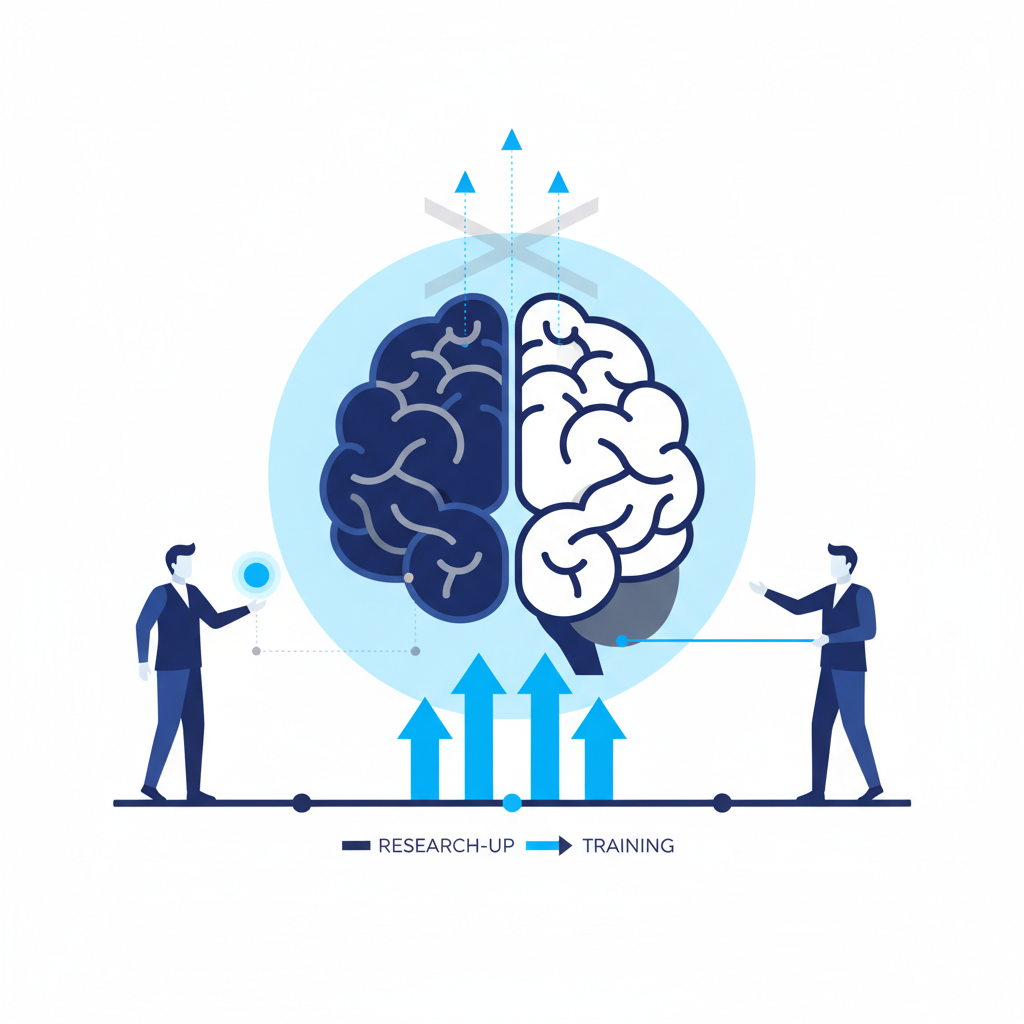
## Why Positive Thinking Fails to Create Lasting Change {#why-positive-thinking-fails}
The fundamental limitation of positive thinking lies in its top-down approach. When you consciously try to think positively, you’re attempting to override deeply ingrained neural patterns using the brain’s prefrontal cortex—the same area that’s often compromised by stress, anxiety, or other conditions.
Research shows that while positive thinking can temporarily activate optimistic neural pathways, breaking free from negative thinking patterns requires more than willpower alone
. The brain’s automatic stress responses and ingrained emotional patterns often overpower conscious attempts at positivity, especially during challenging moments.
### The Willpower Paradox
Think of it this way: if someone is struggling with anxiety symptoms, telling them to “think positive” is like asking someone with a broken leg to walk normally. The underlying neural dysregulation hasn’t been addressed.
Mental health challenges often reflect maladaptive neuroplasticity, where the brain has organized itself around stress patterns, making it difficult to simply “think your way out” of these states
.
### Why Conscious Effort Isn’t Enough
While neuroplasticity continues throughout the lifespan and supports learning and memory, harnessing it effectively requires more than lifestyle interventions alone
. The brain’s protective mechanisms often resist change, maintaining familiar patterns even when they’re no longer helpful.
This is where specialized neurofeedback approaches become valuable—they bypass the conscious mind and work directly with the brain’s electrical patterns.
## Top-Down vs. Bottom-Up Brain Change {#top-down-vs-bottom-up}
Understanding the difference between top-down and bottom-up approaches is crucial for anyone seeking effective brain change.
### Top-Down Approaches
– **Conscious effort**: Meditation, positive affirmations, cognitive behavioral therapy
– **Prefrontal cortex driven**: Relies on the “thinking” brain
– **Requires mental energy**: Can be exhausting and inconsistent
– **Limited by existing patterns**: Often overridden by automatic responses
### Bottom-Up Approaches
– **Direct neural intervention**: LENS neurofeedback, certain forms of therapy
– **Brainstem and limbic system focused**: Works with the “automatic” brain
– **Passive process**: No conscious effort required
– **Addresses root patterns**: Changes underlying neural organization
LENS neurofeedback, developed by Dr. Len Ochs in 1990, was specifically designed to disrupt dysfunctional neural patterns and reset them for faster, more lasting results
. Rather than training the brain what to do,
LENS works by allowing the brain to discover more optimal functioning patterns naturally
.
## Common Neuroplasticity Misconceptions {#neuroplasticity-misconceptions}
The popularization of neuroplasticity research has led to several misconceptions about how brain change actually works:
### Myth 1: “You Can Think Your Way to a New Brain”
While the brain does undergo continuous re-architecting throughout life, with major transitions around ages 9, 32, 66, and 83, this doesn’t mean conscious thinking alone drives these changes
. Neuroplasticity involves complex cellular and molecular processes that operate largely below conscious awareness.
### Myth 2: “Positive Thoughts Immediately Create New Neural Pathways”
While engaging in positive thinking does strengthen associated neural pathways over time, making these pathways dominant requires consistent practice and the right conditions
. For individuals with underlying brain dysregulation, the stressed or imbalanced neural networks often override positive thinking attempts.
### Myth 3: “All Brain Training Methods Are Equally Effective”
Research shows significant variability in how different neurofeedback interventions create neural change, with some approaches being far more effective than others
. This is why understanding the specific mechanisms behind different methods matters.
## What Research Actually Shows About Positive Thinking {#what-research-shows}
Recent studies provide a more nuanced view of positive thinking’s role in brain change:
Research from 2024 found that positive thinking, characterized by optimism and constructive self-talk, enhances resilience and supports healthy habits crucial for neuroplasticity, but primarily as a supporting factor rather than a primary driver
.
Studies demonstrate that while shifts in mental outlook can lead to lasting changes in brain function, these changes are most effective when combined with direct neuroplastic interventions that address underlying emotional regulation and stress response patterns
.
### The Placebo Problem
Recent meta-analyses of consumer-grade neurofeedback devices found that many benefits attributed to brain training may actually result from “neurosuggestion”—placebo effects of neurotechnology rather than direct brain changes
.
This highlights why it’s important to work with clinically-validated approaches like LENS neurofeedback, which has over 30 years of clinical research and has been used successfully with more than 75,000 clients.
📍 NeuroBalance Los Angeles
Located in Mar Vista, serving clients throughout Southern California. Home visits also available.
4029 Alla Road, Los Angeles, CA 90066 • 424.625.5445
## How LENS Creates Bottom-Up Brain Change {#lens-bottom-up-approach}
LENS works by sending a gentle signal directly to problem areas in the brain, disrupting stuck patterns and helping the brain make positive changes naturally
. This bottom-up approach is fundamentally different from positive thinking because:
### Direct Neural Intervention
LENS uses a tiny, low-energy signal that is precisely timed and similar to the brain’s natural frequencies. This offset signal affects the reactivity of dysfunctional brainwave patterns and directly influences biochemical changes that help the brain self-adjust to a more optimal state
.
### Passive Process
Unlike traditional neurofeedback, LENS requires no active participation or learning—the process is entirely passive. A typical session lasts only 3-4 minutes, making it effective even for individuals who struggle with attention or focus
.
### Addressing Root Causes
LENS works around the brain’s natural defenses against stressors and trauma that can create “neural gridlock.” By addressing the brain in its own electromagnetic language, LENS allows the brain to “reboot” and restore optimal functioning
.
At NeuroBalance, we’ve seen remarkable results with our anxiety treatment, ADHD support, and depression support programs using this bottom-up approach.
The Limitations of Positive Thinking Alone
While
positive thoughts can reinforce new neural pathways in the brain that eventually become automatic processes
, the reality is more complex than simply “thinking your way” to better mental health.
Negative thinking patterns can be successfully rewired through techniques like cognitive behavioral therapy, mindfulness meditation, and gratitude practices
, but positive thinking alone has significant limitations.
Why Conscious Effort Isn’t Always Enough
The human brain processes approximately 60,000-80,000 thoughts per day, with research suggesting that
the brain’s circuits can get caught up in negative narratives due to our natural negativity bias – our tendency to be more attracted to negative stimuli than positive
. This evolutionary survival mechanism makes conscious positive thinking feel like swimming upstream.
When we rely solely on willpower and conscious effort to change our thinking, we’re asking the prefrontal cortex – our brain’s executive center – to override deeply ingrained patterns.
When stressed or anxious, the brain actually draws precious metabolic energy away from the prefrontal cortex, making it difficult to perform at normal capacity
.
⚕️ Important Note:
Jon S. Haupers, our LENS neurofeedback specialist, observes that many clients come to us after years of attempting positive thinking approaches. While these efforts are valuable, they often need support from bottom-up brain training methods to create lasting change.
The Energy Cost of Constant Mental Effort
Maintaining positive thoughts requires significant cognitive resources. Studies show that when we’re under stress, experiencing anxiety symptoms, or dealing with trauma responses, our ability to maintain positive thinking becomes severely compromised.
This is particularly challenging for individuals with conditions like ADHD, depression, or PTSD, where brain dysregulation makes sustained positive thinking feel nearly impossible.
💬 What Clients Share:
“I spent years trying to ‘think positive’ but it felt exhausting. With LENS neurofeedback, the positive thoughts started coming naturally instead of feeling forced.” – Individual results vary and this represents one client’s experience with our therapy approach.
When Positive Thinking Becomes Counterproductive
Forced positive thinking can sometimes create additional stress and guilt. When individuals struggling with mental health challenges can’t maintain an optimistic outlook, they may experience self-blame and feel like they’re “failing” at their own recovery.
Research indicates that toxic positivity – the pressure to maintain a positive mindset regardless of circumstances – can actually suppress important emotions and delay healing. This is why our comprehensive approach addresses brain function at the neurological level rather than relying solely on cognitive strategies.
Bottom-Up vs. Top-Down Brain Change
Understanding the difference between bottom-up and top-down approaches to brain change is crucial for effective mental health treatment. While
neuroplasticity means that we can rewire negative loops into positive ones through repetition, and optimistic thinking can become a more natural part of our mental landscape when practiced consistently
, the method matters significantly.
What is Top-Down Processing?
Top-down processing involves using conscious, cognitive strategies to influence brain function. This includes positive thinking, cognitive behavioral therapy techniques, meditation, and other mindfulness practices.
Cognitive Behavioral Therapy (CBT) techniques are among the most effective methods to rewire the brain from negative to positive thinking patterns, with research showing 60-80% reduction in anxiety and depression symptoms when practiced consistently
.
These approaches work through the prefrontal cortex – our brain’s executive center – to consciously direct attention and reshape thought patterns. While effective for many people, they require significant mental energy and consistent practice to maintain results.
📊 What Research Suggests:
A 2024 study from Massachusetts General Hospital found that just 8 weeks of mindfulness practice can measurably change brain structure and improve emotional responses
. However, maintaining these changes requires ongoing daily practice.
Understanding Bottom-Up Processing
Bottom-up processing works directly with the brain’s electrical activity to create change at the neurological level. This approach doesn’t require conscious effort or mental discipline – instead, it helps optimize brain function so that positive thoughts and emotional regulation occur more naturally.
LENS neurofeedback is a prime example of bottom-up brain training. By providing extremely low-energy stimulation to dysregulated brain areas, LENS helps the brain reorganize its neural networks and restore natural balance without requiring conscious participation from the client.
| Approach Type | Methods | Benefits | Limitations |
|---|---|---|---|
| Top-Down | Positive thinking, CBT, meditation, mindfulness | Builds awareness, develops coping skills | Requires high mental energy, challenging under stress |
| Bottom-Up | LENS neurofeedback, brain stimulation | Effortless, works during dysregulation | May need professional guidance |
Why Integration Works Best
The most effective approach often combines both bottom-up and top-down strategies.
Neuroplasticity enables the brain to reshape its thought and emotional pathways, helping people recover from trauma, move out of survival mode, and shift from unhelpful patterns through brain rewiring exercises like mindfulness, gratitude journaling, and narrative therapy
.
When bottom-up neurofeedback training optimizes brain function first, top-down approaches like positive thinking become much more sustainable and effective. Clients often report that meditation, gratitude practices, and positive self-talk feel natural rather than forced after their brains achieve better regulation.
💡 Understanding Brain Health:
Think of bottom-up approaches as tuning an instrument – once the brain is properly “tuned” through neurofeedback, the music of positive thinking flows more easily and naturally.
Why Neurofeedback Succeeds Where Positive Thinking Falls Short
Neurofeedback devices and brainwave monitors can accelerate the process of rewiring the brain for optimism
by working directly with the brain’s electrical activity rather than relying on conscious effort alone. This fundamental difference explains why many people find lasting success with neurofeedback after years of struggling with positive thinking approaches.
Direct Brain Training vs. Cognitive Effort
Traditional positive thinking requires the prefrontal cortex to constantly override automatic negative thought patterns.
The prefrontal cortex is where all mind/brain functions conjugate, acting as the switching station that regulates signals from neurons while allowing you to reflect and think about what you’re doing, providing time for metacognition
.
However, when we’re dealing with conditions like traumatic brain injury, chronic stress, or neurological imbalances, the prefrontal cortex may not function optimally. This is where LENS neurofeedback therapy provides a unique advantage.
The LENS Advantage: Effortless Brain Optimization
LENS (Low Energy Neurofeedback System) works by reading the brain’s electrical activity and providing precisely calibrated feedback to help dysregulated areas reorganize themselves. Unlike traditional neurofeedback, LENS doesn’t require conscious participation or effort from the client – the brain does the work automatically.
This bottom-up approach is particularly effective for individuals who struggle with:
- Difficulty maintaining positive thoughts due to anxiety disorders
- Attention challenges that make sustained mental effort difficult
- Trauma responses that override conscious control
- Brain fog and cognitive fatigue
- Sleep disruptions that affect mental clarity
📊 What Research Suggests:
Positive thinking, characterized by optimism and constructive self-talk, enhances resilience and supports healthy habits crucial for neuroplasticity and synaptic development, with research underscoring its significant role in hormonal regulation for both physical and mental well-being
. LENS helps optimize the brain conditions that make this natural positivity possible.
Creating Sustainable Change Through Brain Balance
More than 90% of our Los Angeles clients report feeling noticeable improvements in mood, focus, and overall well-being within the first few LENS sessions. This high success rate reflects the power of addressing brain function at its source rather than trying to override dysfunction through willpower alone.
When the brain achieves better balance and regulation through neurofeedback training, positive thoughts and emotions begin to occur naturally. Clients often describe feeling like themselves again – optimistic, resilient, and capable of handling life’s challenges without the constant struggle to maintain a positive mindset.
💬 What Clients Share:
“The difference is that positive thinking used to feel like work – now it just happens naturally. My brain feels calmer and clearer, and optimism feels genuine instead of forced.” – Results vary among individuals, and this represents one client’s personal experience.
The Science Behind LENS and Brain Rewiring
Modern neuroscience research from 2024 shows that targeted exercises and consistent practice can literally reshape brain structure within weeks, with neuroplasticity research showing that consistent practice of new behaviors can create measurable changes in brain structure within 21 to 66 days
. LENS neurofeedback leverages these natural brain change processes in a uniquely effective way.
How LENS Facilitates Neuroplasticity
LENS works by providing the brain with real-time information about its own electrical activity through extremely low-energy electromagnetic stimulation – about one-thousandth the strength of a cell phone signal. This gentle feedback helps dysregulated brain areas recognize their current state and spontaneously reorganize toward more optimal functioning.
The process leverages three key neuroplasticity mechanisms:
- Synaptic Plasticity: LENS stimulation encourages the strengthening of beneficial neural connections while allowing dysfunctional patterns to fade
- Structural Plasticity: Repeated LENS sessions promote the growth of new neural pathways and the pruning of inefficient ones
- Functional Plasticity: The brain learns to reallocate resources more efficiently, with healthier areas taking on functions from dysregulated regions
💡 Understanding Brain Health:
Unlike positive thinking, which works against dysregulated brain patterns, LENS works with the brain’s natural healing processes to restore optimal function from the ground up.
Measurable Changes in Brain Activity
Jon S. Haupers, our certified LENS specialist with over 12 years of experience, regularly observes dramatic improvements in clients’ brain wave patterns through EEG monitoring. These objective measurements show increased alpha waves (associated with calm alertness), reduced theta activity in frontal areas (linked to attention problems), and improved coherence between brain regions.
Research on neurofeedback interventions consistently demonstrates that
brain scans reveal increased gray matter density and stronger neural connections in areas associated with desired behaviors, with success rates improving significantly with consistent daily practice and evidence-based techniques
.
| Brain Wave Type | Frequency Range | Healthy Function | LENS Impact |
|---|---|---|---|
| Alpha | 8-12 Hz | Relaxed awareness, creativity | Often increases, promoting calm focus |
| Beta | 13-30 Hz | Active thinking, problem-solving | Helps normalize excessive activity |
| Theta | 4-7 Hz | Deep relaxation, memory | Reduces excess frontal theta linked to ADHD |
| Delta | 0.5-3 Hz | Deep sleep, healing | Improves sleep quality and recovery |
The Compound Effect of Brain Optimization
When LENS therapy optimizes brain function, it creates a compound effect that extends far beyond the sessions themselves. Clients typically experience:
- Improved sleep quality, which enhances natural brain restoration processes
- Better stress resilience, reducing cortisol’s negative impact on neuroplasticity
- Enhanced focus and attention, making cognitive tasks easier
- Increased emotional regulation, reducing the need for conscious mood management
- Natural optimism and positive outlook without forced thinking
This holistic improvement creates an upward spiral where each benefit reinforces the others, leading to sustainable long-term changes that don’t require constant maintenance or conscious effort.
⚕️ Important Note:
While LENS neurofeedback can be highly effective, individual results vary. We always recommend consulting with healthcare professionals and working with certified practitioners. Our approach complements, but doesn’t replace, traditional medical care when appropriate.
How LENS Neurofeedback Transforms Your Brain
Unlike the top-down approach of positive thinking,
neurofeedback works as a “bottom-up” therapy that teaches self-control of brain functions by measuring brain waves and providing feedback signals based on operant conditioning principles
. This fundamental difference is what makes neurofeedback so effective where traditional approaches fall short.
At MYNeuroBalance, we use LENS (Low Energy Neurofeedback System) technology to directly address dysregulated brainwave patterns at their source.
By providing participants with feedback about their brain activity and training them to control it, this approach initiates directional changes that enhance cognitive abilities and trigger structural and functional brain changes through neuroplasticity
.
The Science of Bottom-Up Brain Training
By training the brain, neurofeedback is a form of self-directed neuroplasticity
. Rather than trying to consciously think differently, LENS works by:
- Measuring your unique brainwave patterns in real-time
- Identifying areas of dysregulation or imbalance
- Providing gentle feedback to encourage optimal brain function
- Allowing your brain to naturally self-correct and reorganize
This process happens at a neurological level that’s far deeper and more lasting than what conscious positive thinking can achieve.
Control of network oscillations can induce neuroplastic changes that lead to changes in cortical function that outlast their phase of entrainment, with control of brain oscillations serving as the mechanism to mediate plasticity
.
Addressing Root Causes vs. Symptoms
When Jon S. Haupers, our LENS neurofeedback specialist with over 12 years of experience, evaluates new clients, he often sees individuals who have tried positive thinking techniques without lasting success. The reason becomes clear when we understand what’s happening neurologically.
💡 Key Insight from Our Practice:
More than 90% of our Los Angeles clients report that previous attempts at “thinking positively” provided only temporary relief. Once we identify and address the underlying brainwave dysregulation, lasting improvements become possible.
Why Conscious Effort Falls Short
The challenge with top-down approaches like positive thinking lies in several neurological realities:
The LENS Advantage: Direct Neural Optimization
LENS neurofeedback offers a fundamentally different approach to brain optimization. Instead of fighting against your brain’s natural patterns, LENS technology works with your brain’s innate capacity for self-regulation and healing.
How LENS Works Differently
🧠 Real-Time Feedback
LENS provides immediate feedback about your brain’s electrical activity, allowing for instant optimization of brainwave patterns.
⚡ Non-Invasive Stimulation
Ultra-low energy signals gently encourage the brain to self-correct dysregulated patterns without conscious effort.
🎯 Targeted Training
Personalized protocols address your specific brain patterns and areas of dysregulation identified through comprehensive assessment.
Neurofeedback training based on operant conditioning has shown promise in addressing abnormalities in functional and structural connectivity, with research suggesting it can normalize dysfunctional networks
.
Frequently Asked Questions
Ready to Move Beyond Positive Thinking?
Discover how LENS neurofeedback can create the lasting brain changes that conscious effort alone cannot achieve. Schedule your consultation to learn if this bottom-up approach is right for you.
📞 424.625.5445 | ✉️ [email protected]
📍 4029 Alla Road, Los Angeles, CA 90066
Your Brain Wellness Journey
Understanding why positive thinking alone doesn’t rewire the brain is the first step toward finding more effective solutions. While conscious efforts to maintain positivity have their place, lasting change requires addressing the neurological patterns that drive thoughts, emotions, and behaviors at their source.
Neurofeedback is evidence-based therapy that is both drug-free and non-invasive, offering an effective treatment approach that is scientifically grounded
. By working with your brain’s natural capacity for self-regulation rather than against its ingrained patterns, LENS neurofeedback can create the foundation for lasting positive change that conscious effort alone cannot achieve.
Whether you’re exploring options for anxiety support, looking to understand ADHD and brain function, or interested in peak performance optimization, we’re here to provide educational resources and support for your brain wellness journey.
🌱 Take Your Next Step:
Learn more about getting started with NeuroBalance, explore our client testimonials, or browse our FAQ for more information about how neurofeedback works.
This content is for educational purposes only and is not intended as medical advice. Always consult with qualified healthcare professionals regarding your health concerns and treatment options.