

What Your Brain Is Doing During a Migraine Before the Pain Even Starts
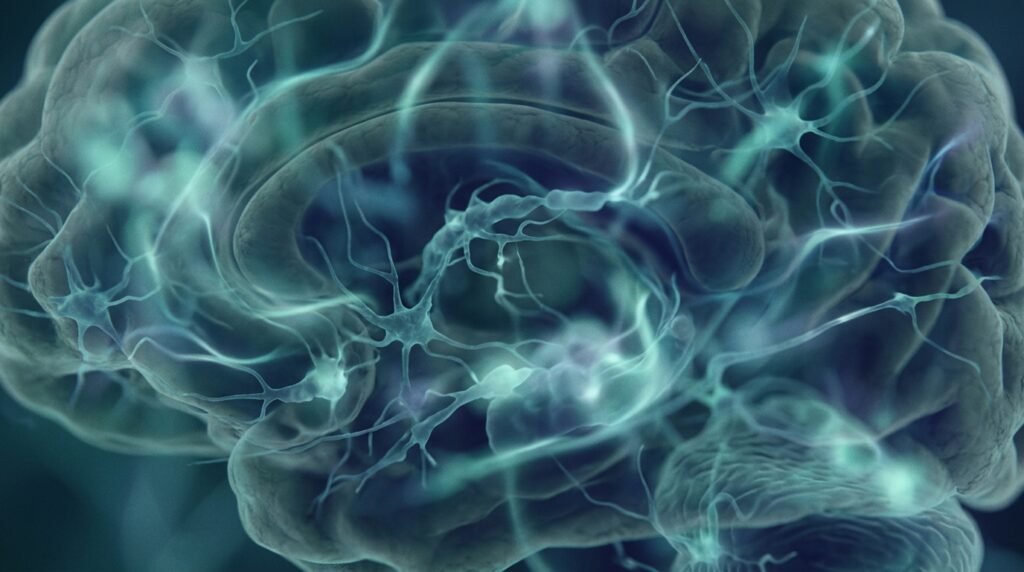
The yawning, the food cravings, the stiff neck — they arrive hours before the pain. Research published between 2022 and 2025 shows what the brain is already doing during that interval, and why migraine begins long before the headache does.
Can Stronger Muscles Be Connected to a Healthier Aging Brain?
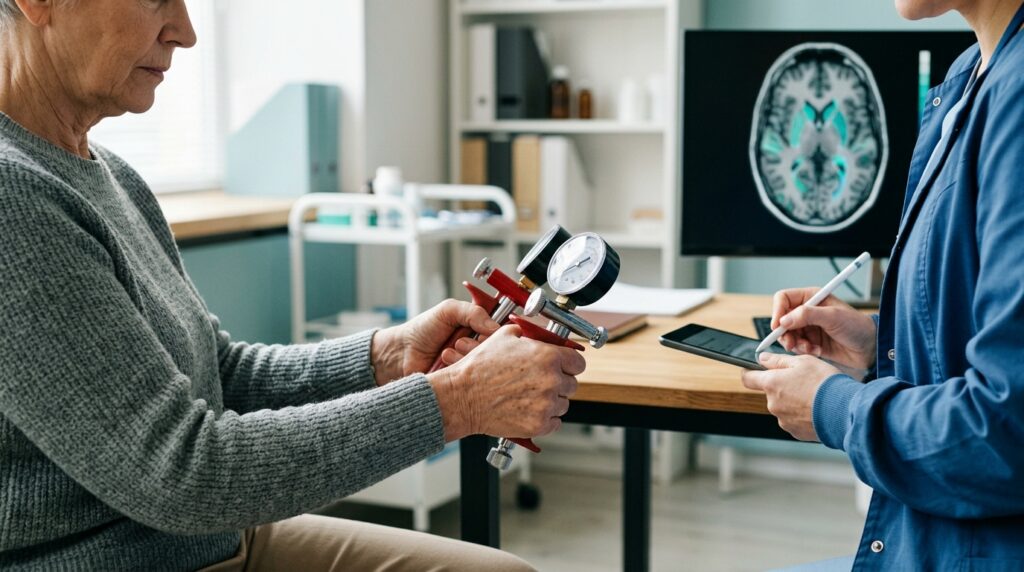
A 2026 study of 353 older adults found that muscular fitness and aerobic fitness each connect to the aging brain — but through distinct structures and mechanisms, and not through cognitive performance.
The Bipolar Brain: Why Mood Regulation Is Far More Complex Than Mood Swings
Bipolar disorder is commonly described as extreme mood swings — cycling between mania and depression. That description is accurate as far as it goes. Neuroscience over the last decade points to something more distributed: four separate brain systems, each disrupted in its own way, each contributing to the pattern clinicians observe.
Why Trauma Can Change Your Sense of Time
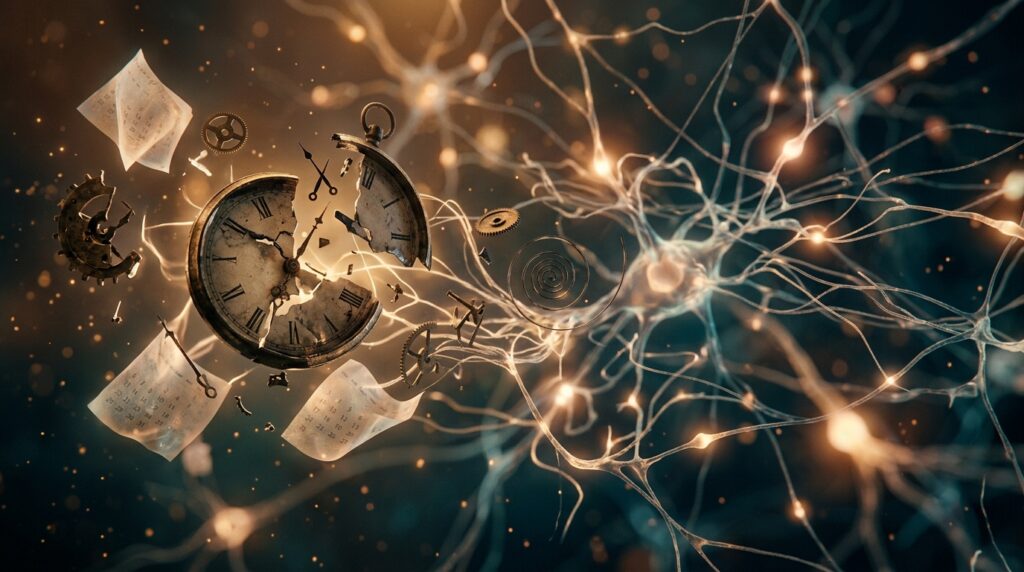
A biological look at why a past event can feel neurologically present — tracing how episodic memory fragments, bodily signals become conditioned alarms, and the brain loses its grip on when.
The Brain’s Executive Office: What the Prefrontal Cortex Actually Does All Day
The prefrontal cortex coordinates working memory, inhibitory control, planning, and emotional regulation through a collection of distinct subregions working together. Understanding what this system actually does — and what makes it fail — gives a more precise account of what focus, self-control, and clear thinking depend on.
Fibromyalgia: What New Research Is Finding Inside the Central Nervous System
Fibromyalgia has been dismissed as ‘all in your head’ for decades. A 2026 systematic review of neuroimaging and cerebrospinal fluid studies now shows the central nervous system is genuinely involved — though not in any way researchers have fully mapped yet.
Landmark Study: What More Than 4 Million People Can Teach Us About Fitness, Mental Health and Dementia
A 2026 meta-analysis pooled data from 4 million people across 9 countries to ask whether cardiorespiratory fitness is linked to lower rates of depression, dementia, and psychosis. The findings were more nuanced than the headlines suggested.
What Happens to a Woman’s Brain During Menopause? New Research Is Filling in the Gaps
A September 2026 Nature Medicine study tracked blood proteins across the menopause transition and found changes in inflammatory signaling, synaptic support, metabolic function, and Alzheimer’s-related biology. Here is what the mechanisms look like, and what the science does not yet establish.
Vitamin D and Brain Health
Meet Vitamin D — Your Brain’s Underrated Ally You’ve probably heard of vitamin D as the “sunshine vitamin.” It’s made naturally when your skin is exposed to sunlight and helps your body absorb calcium, keeping your bones strong. But what you might not know is that vitamin D also plays a powerful role in keeping […]
Four Autism Subtypes

Unraveling the Four Distinct Subtypes of Autism A study—recently featured in Scientific American and published in Nature Genetics—has identified four distinct subtypes of autism, based on an in-depth analysis of gene profiles, behavioral traits, and developmental trajectories in over 5,000 autistic children Princeton University+15Scientific American+15Facebook+15. This marks a pivotal shift: treating autism not as […]